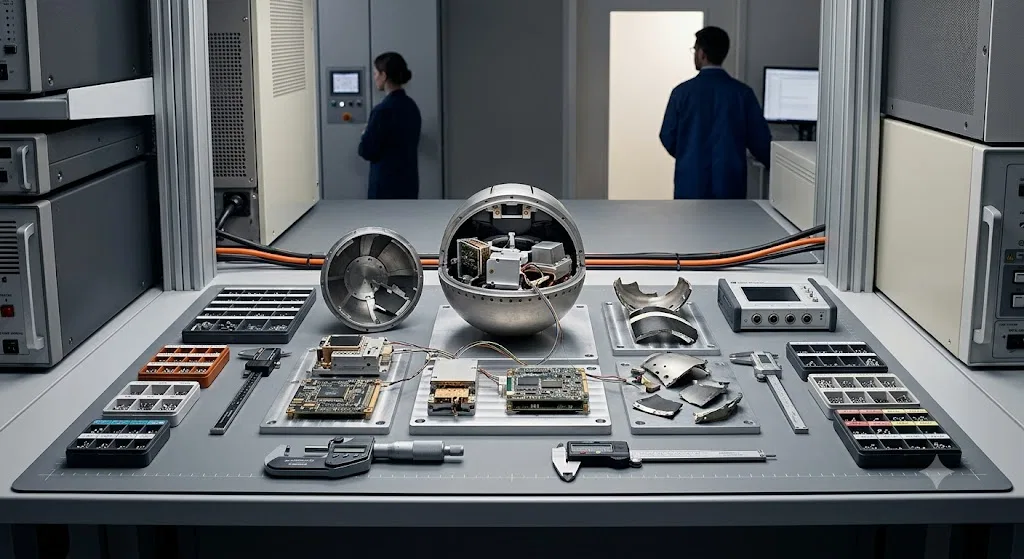
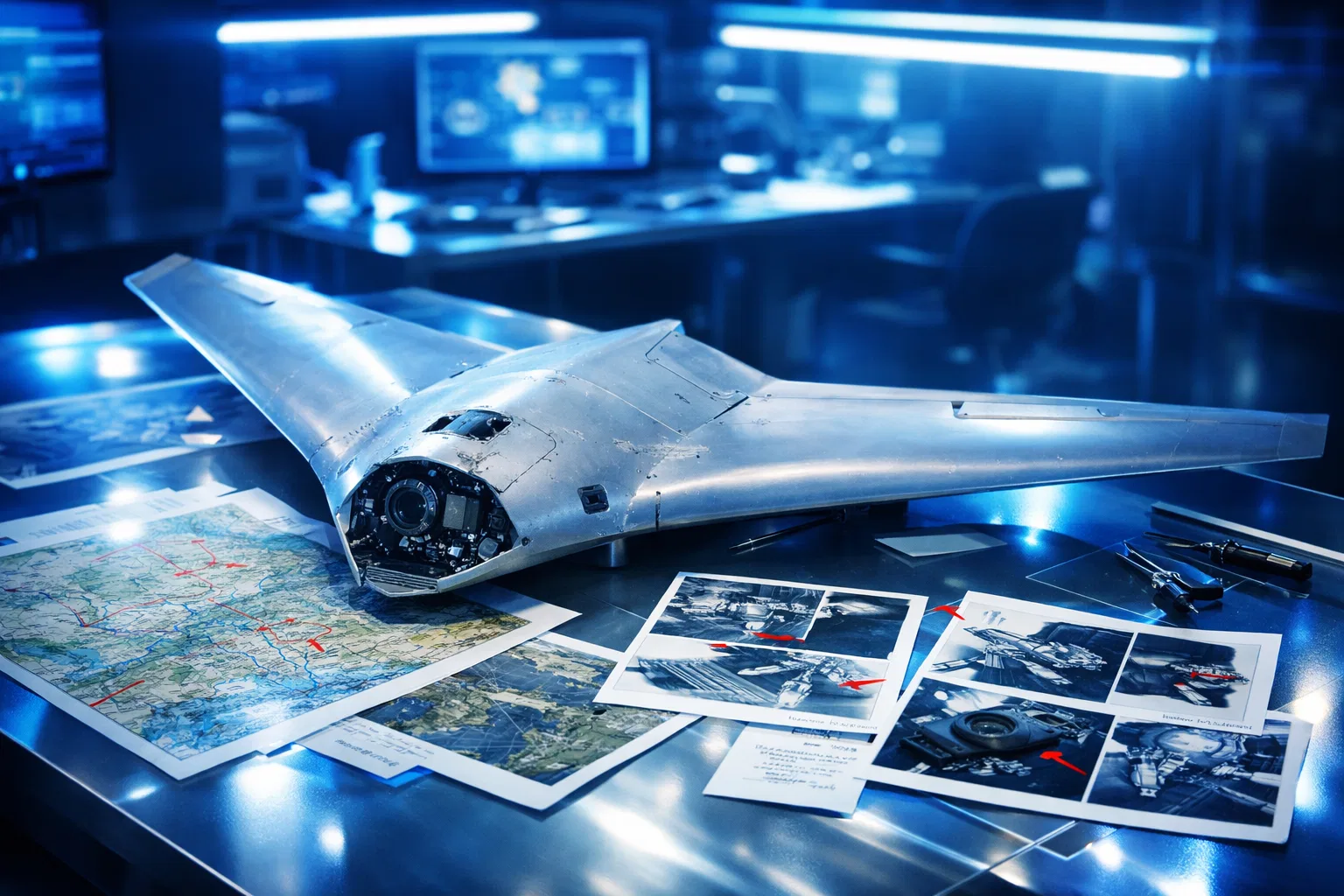
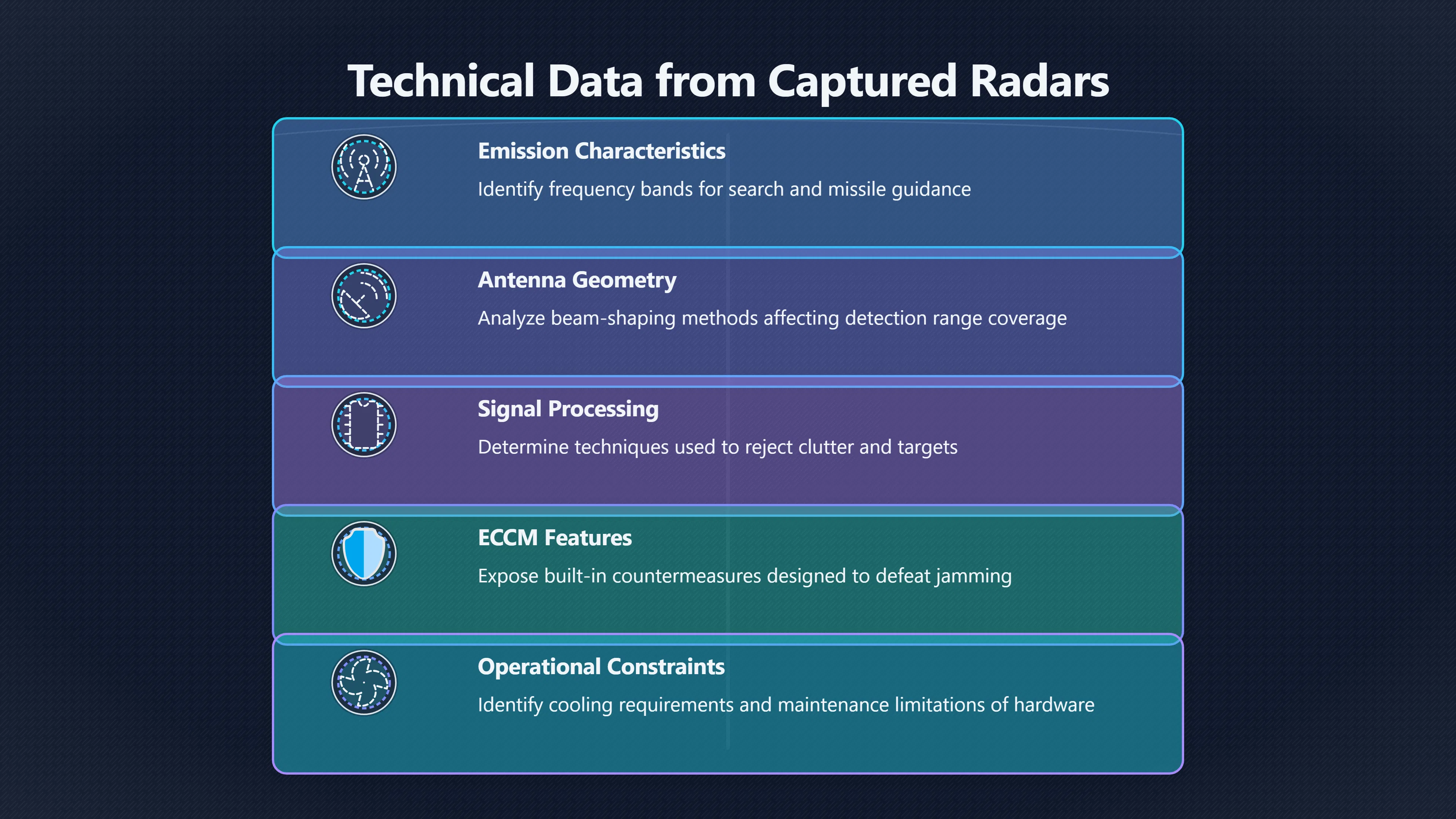
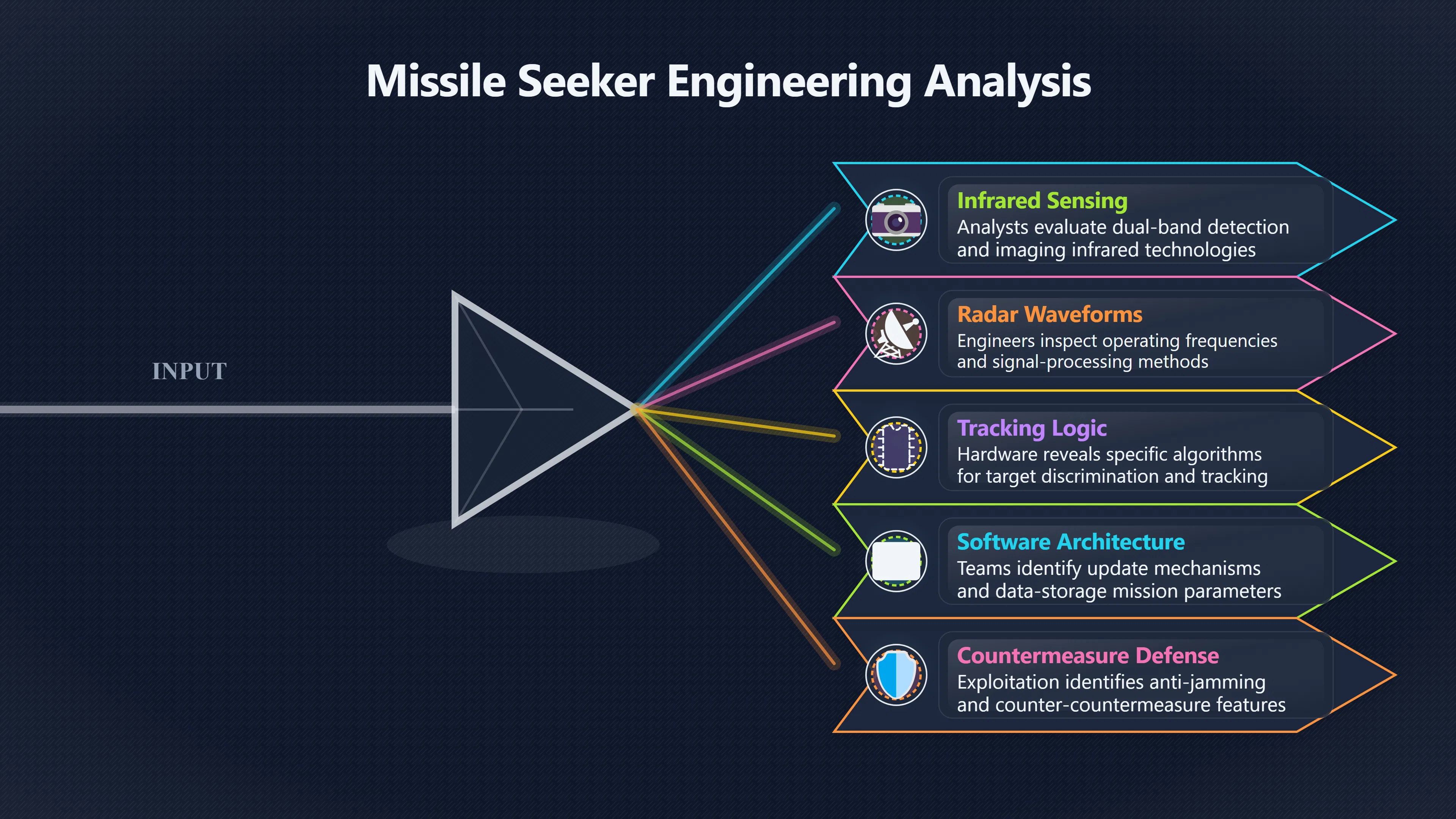
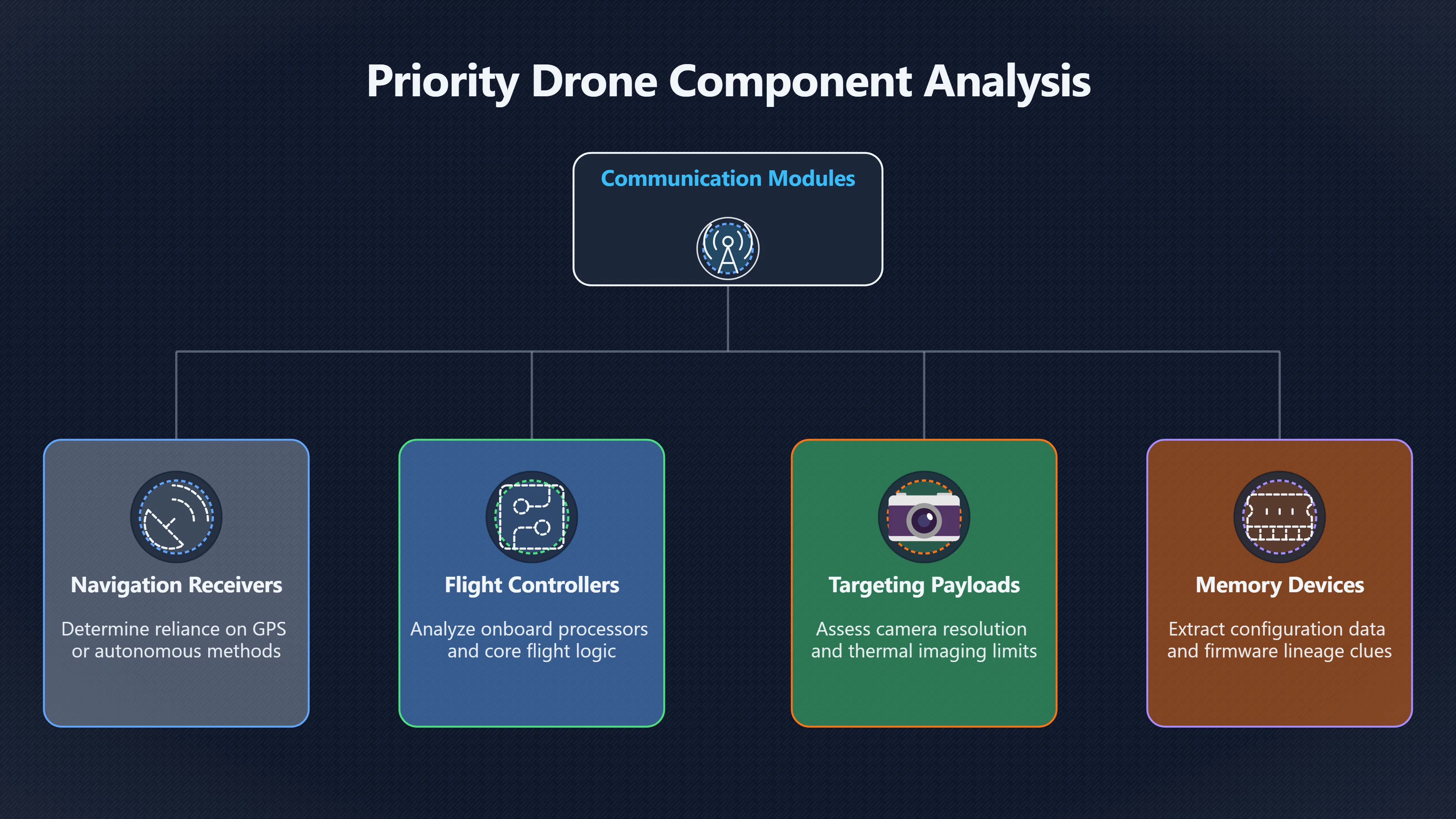
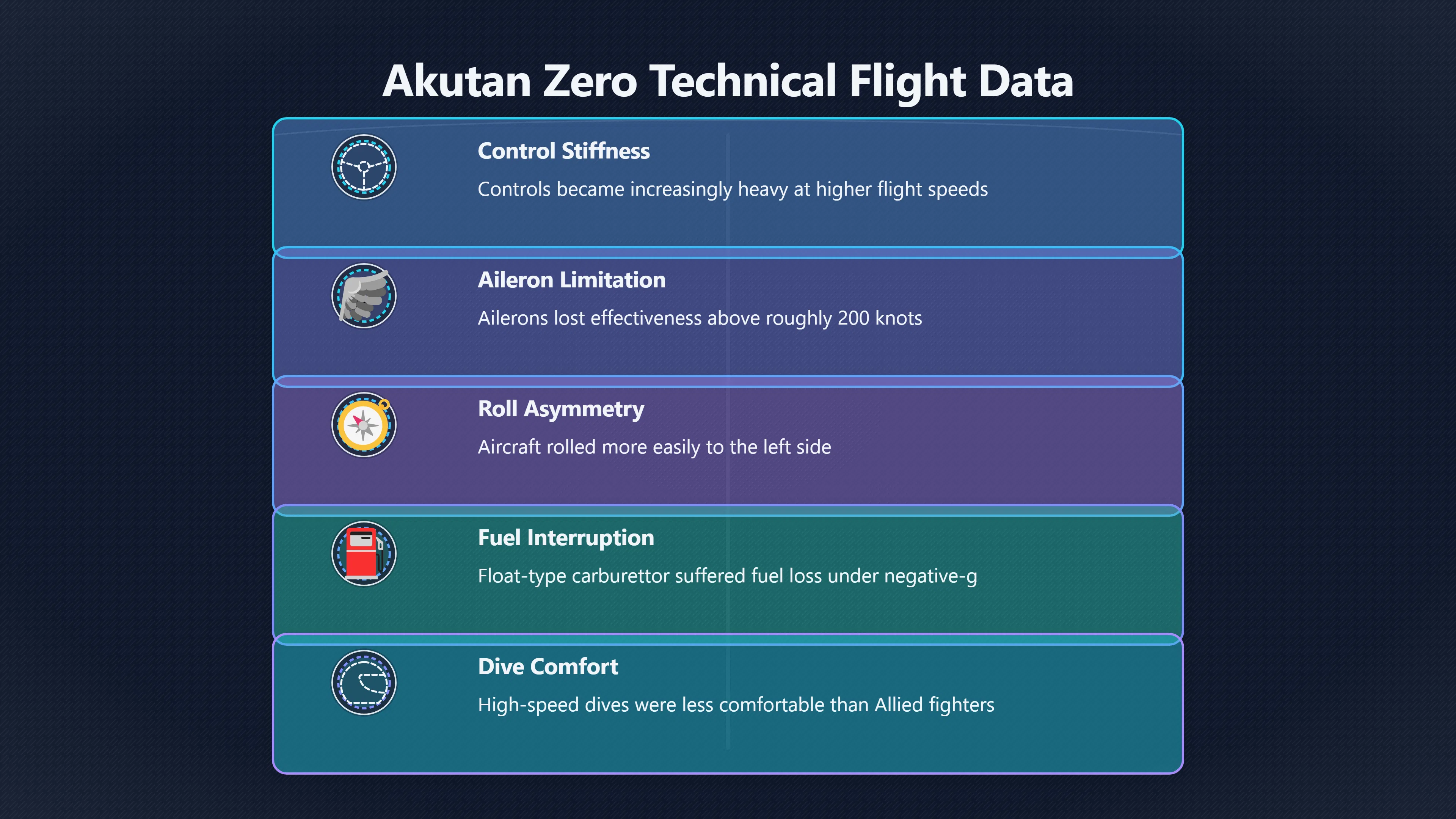
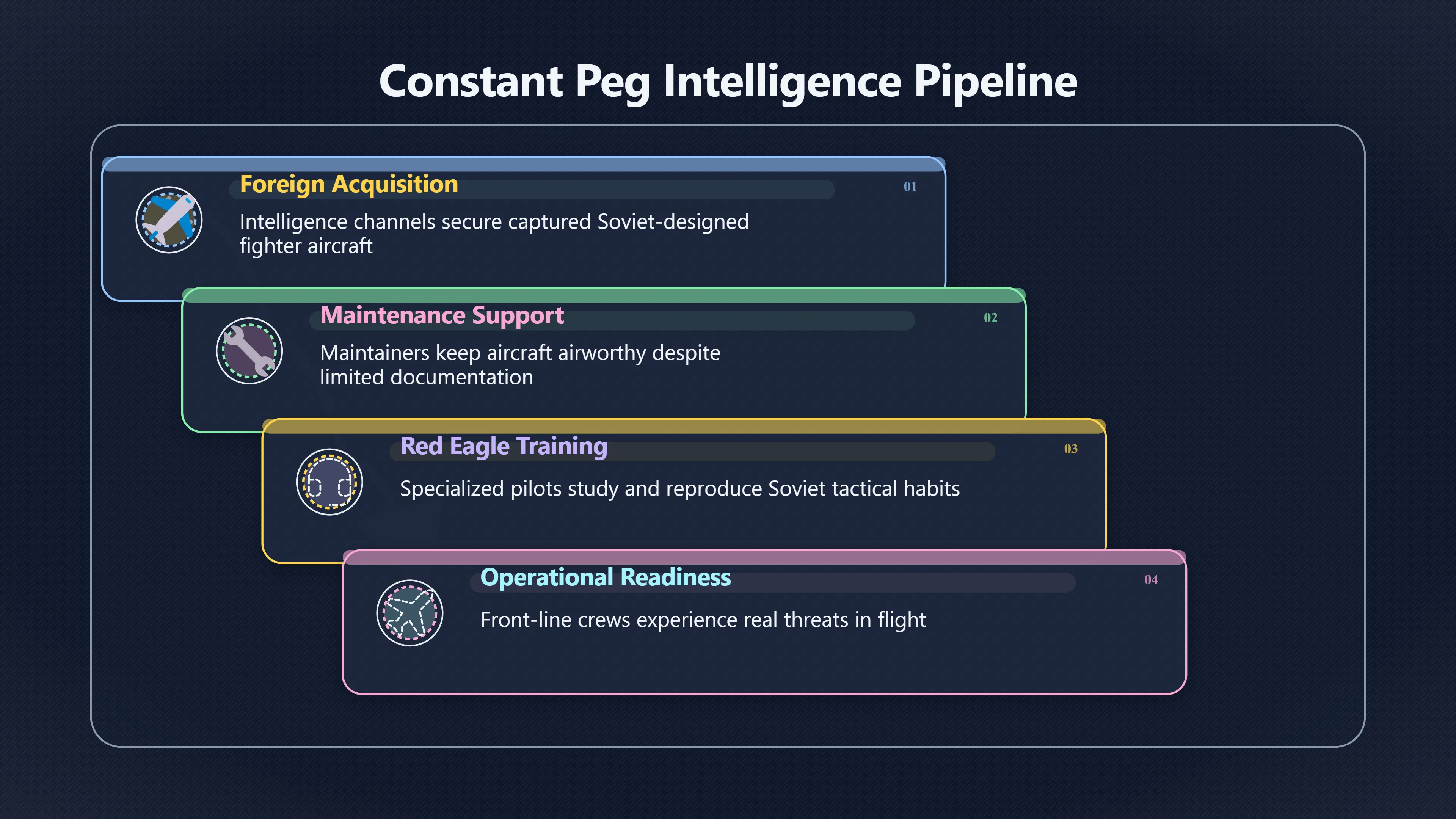
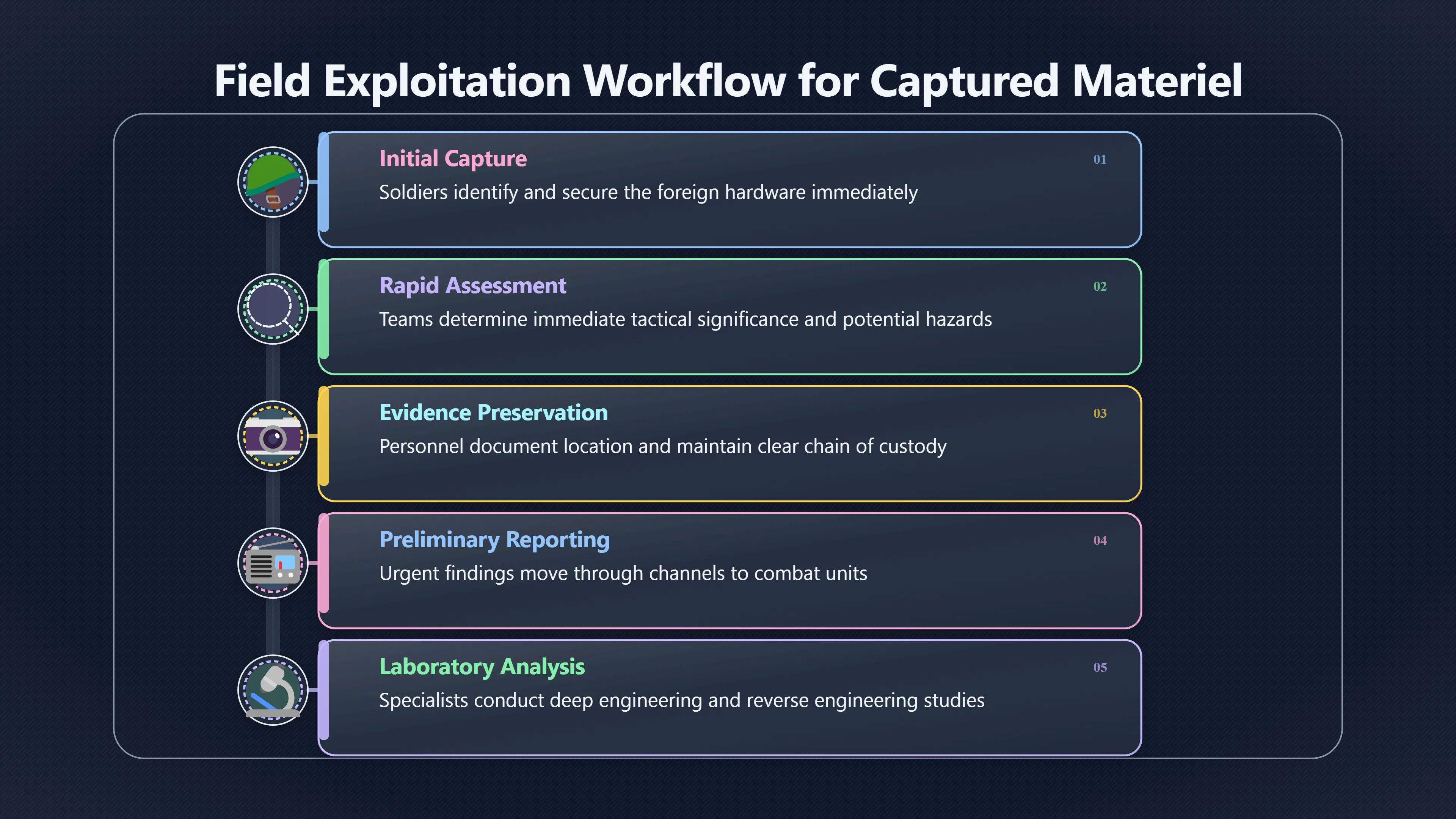
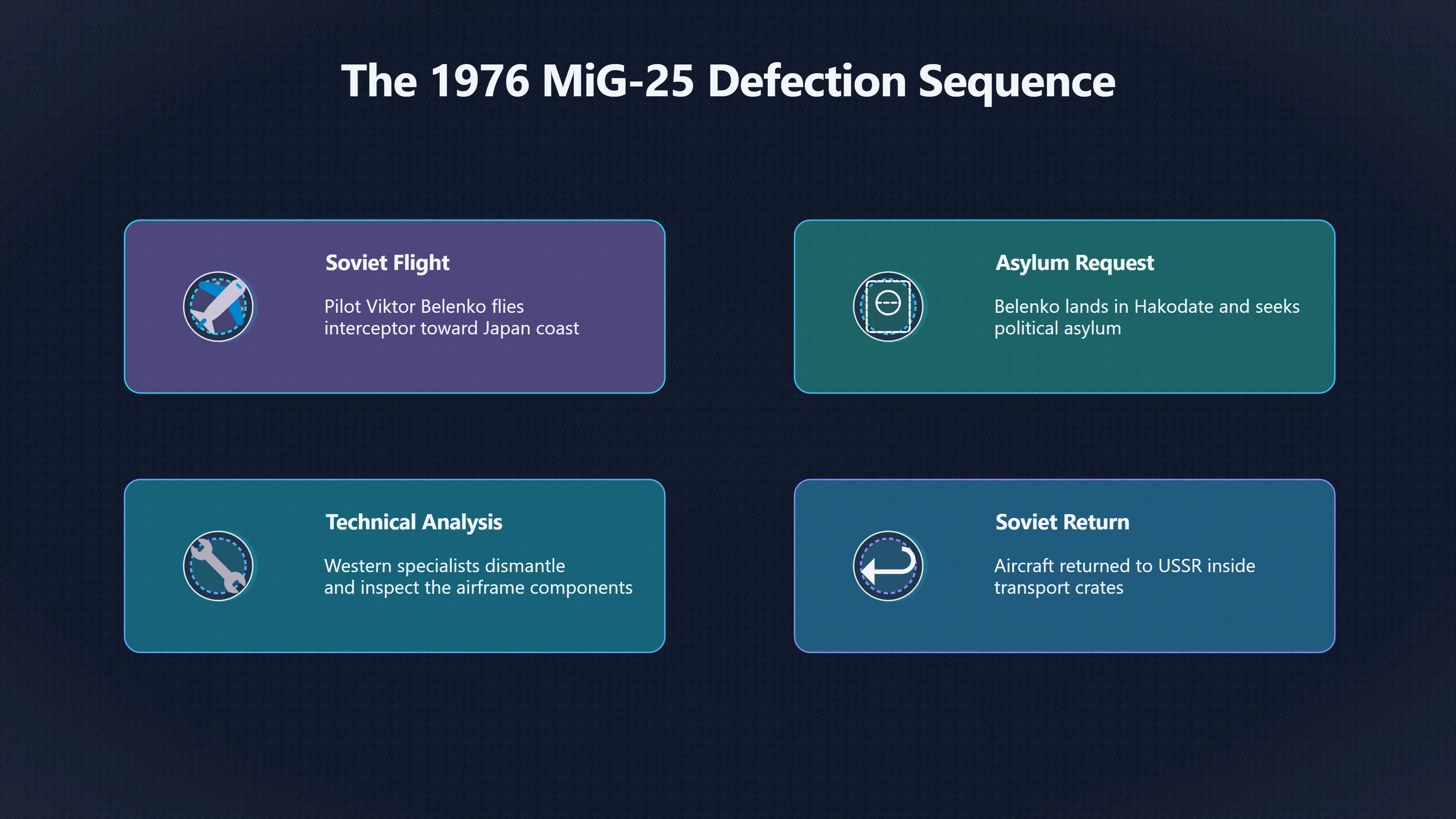
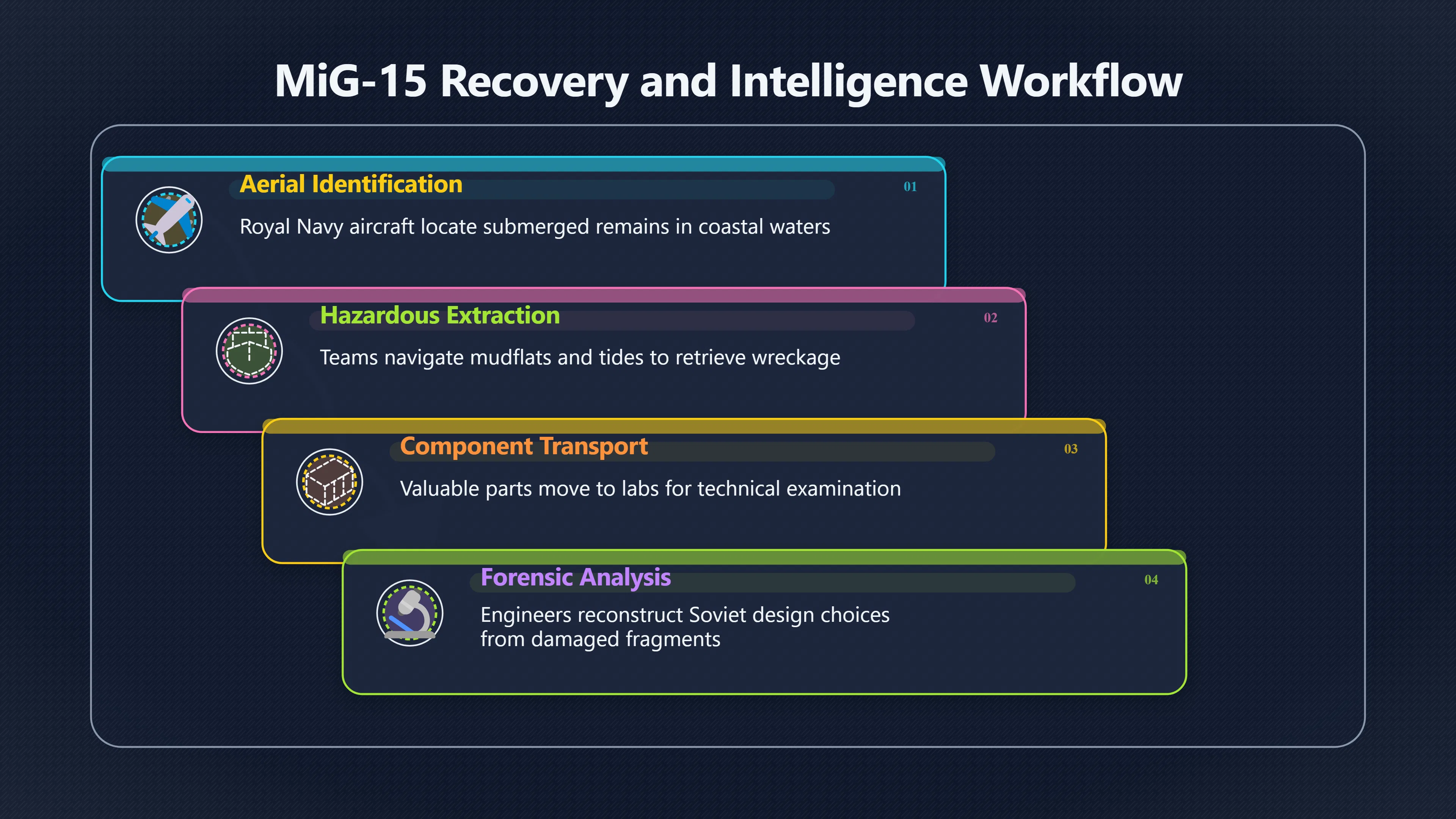
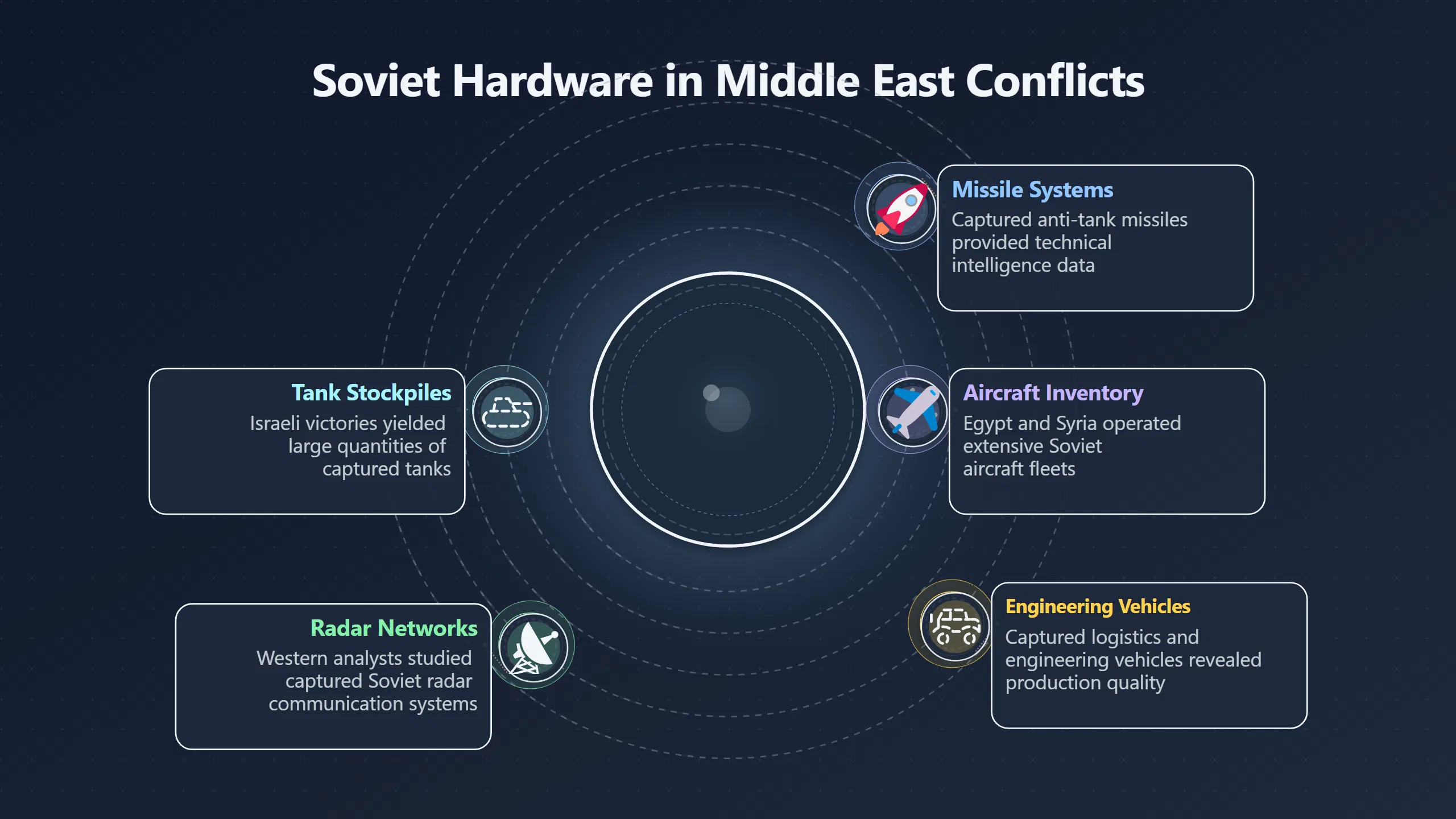
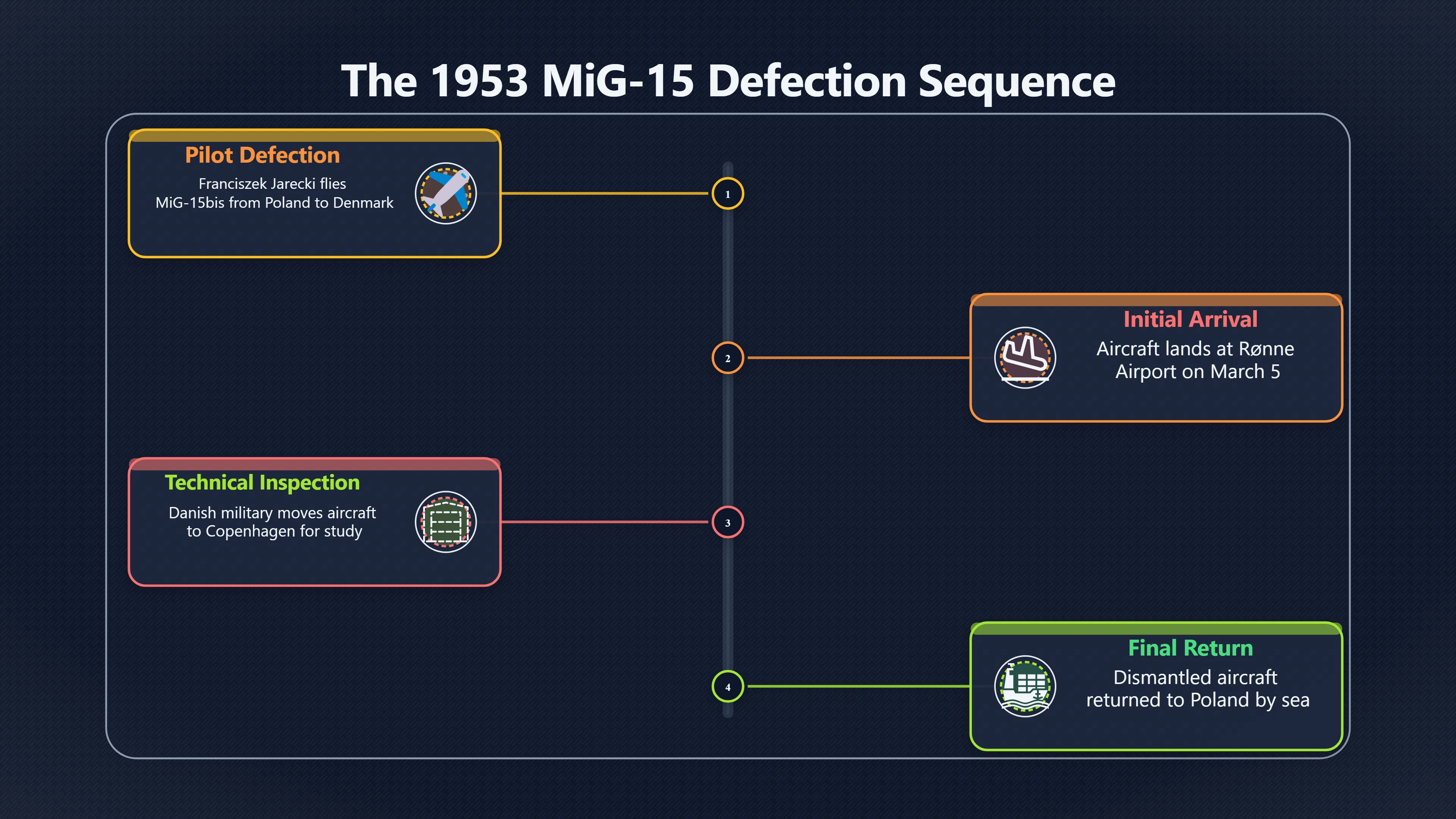
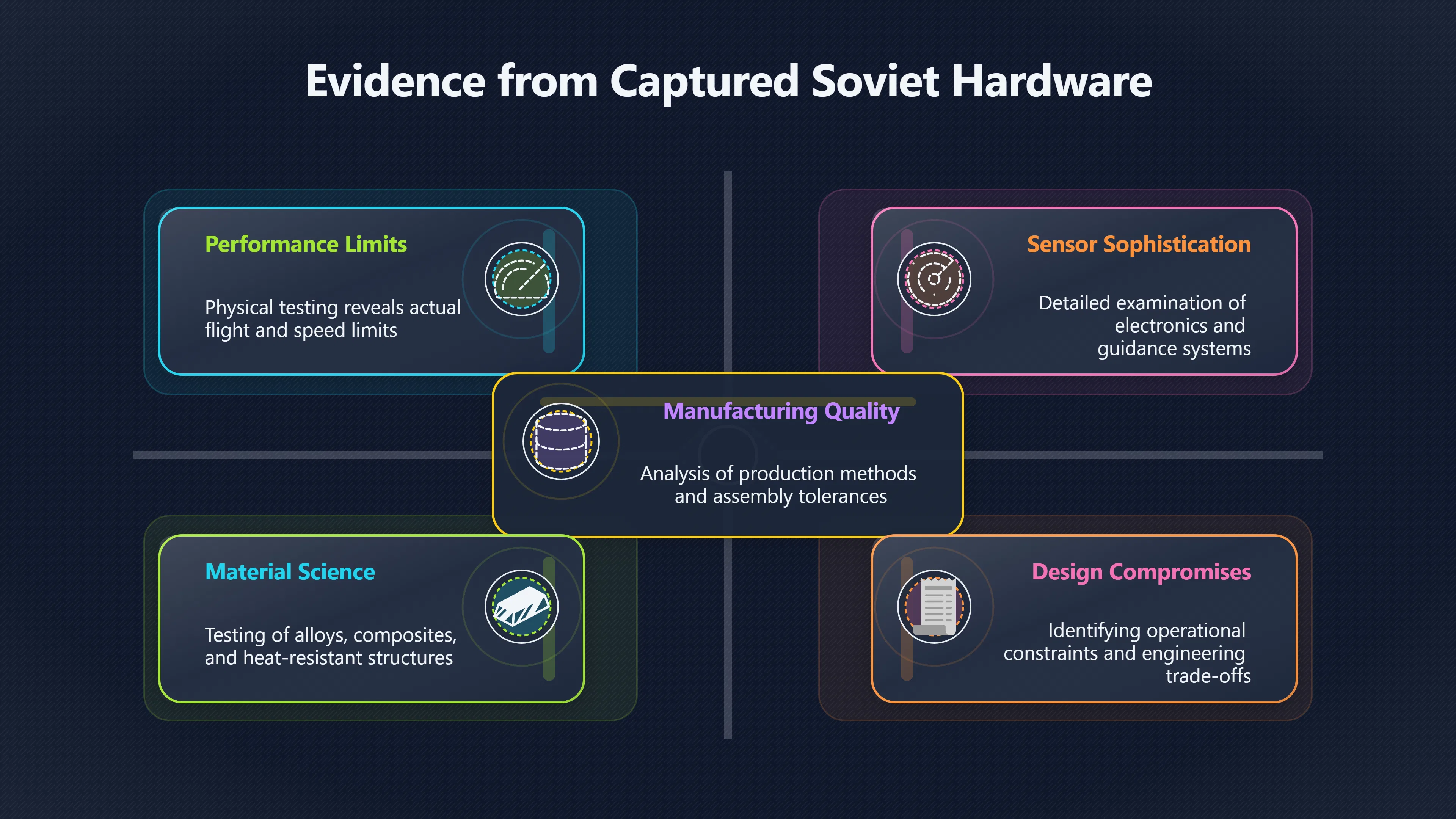
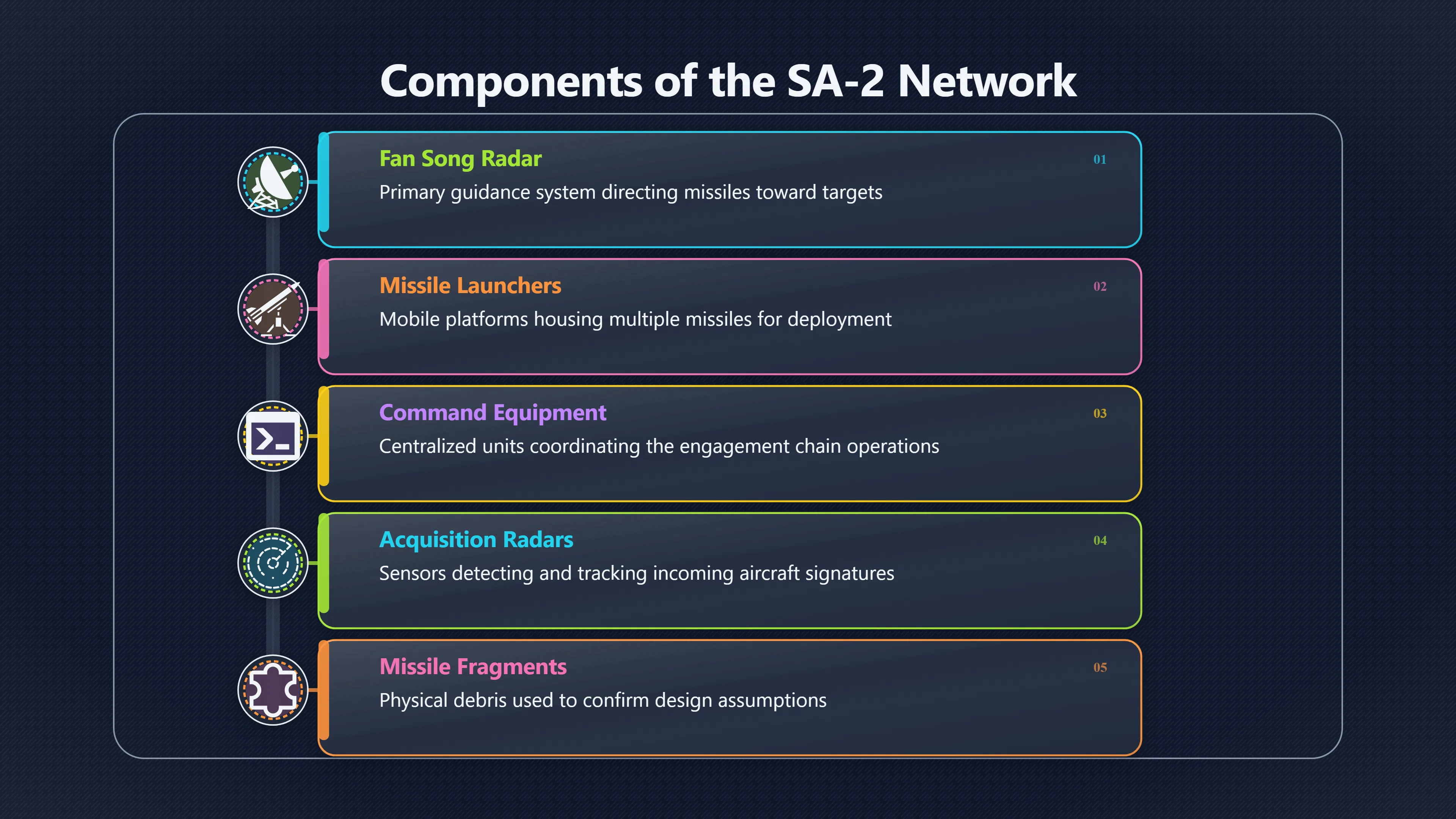
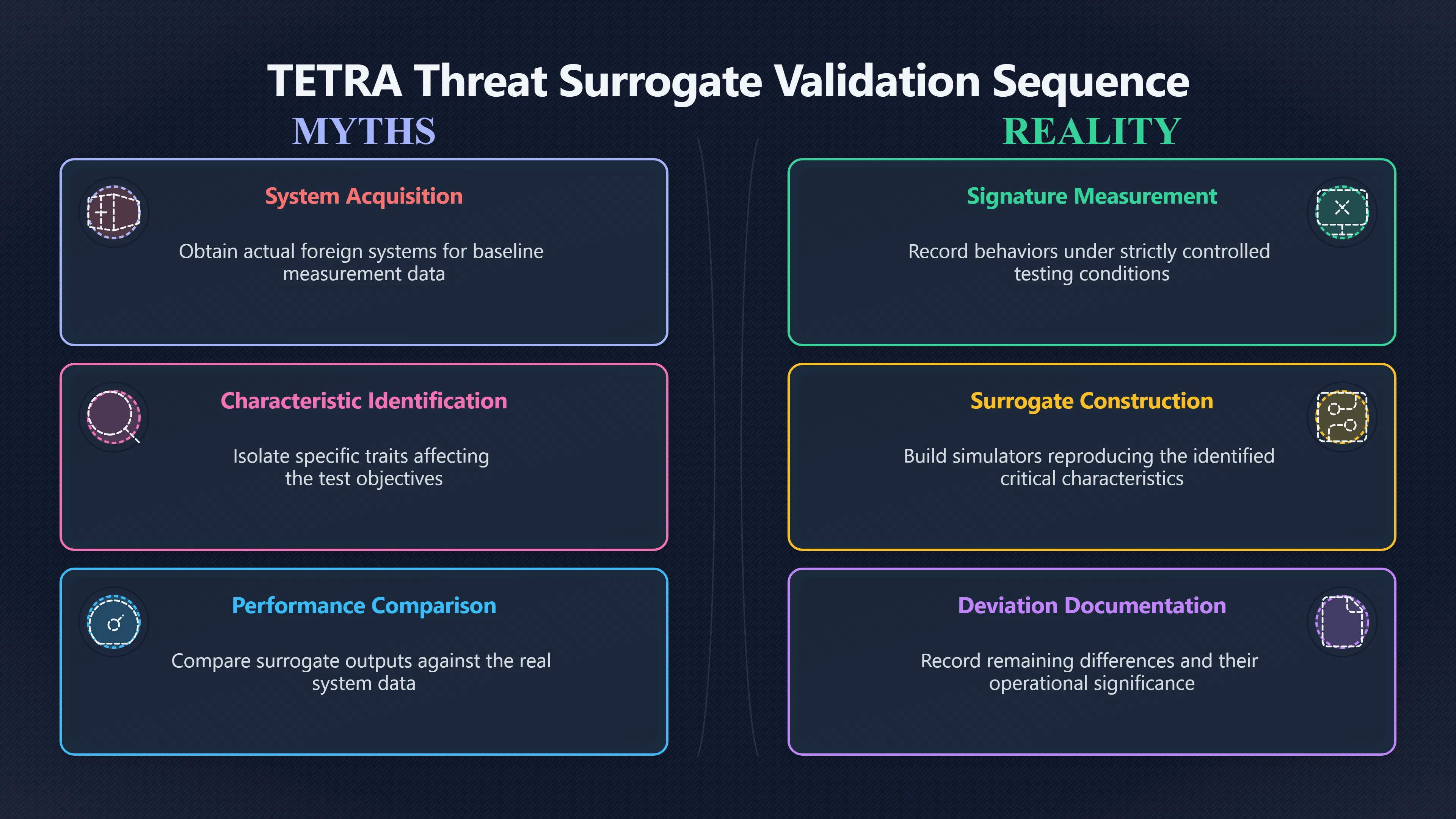
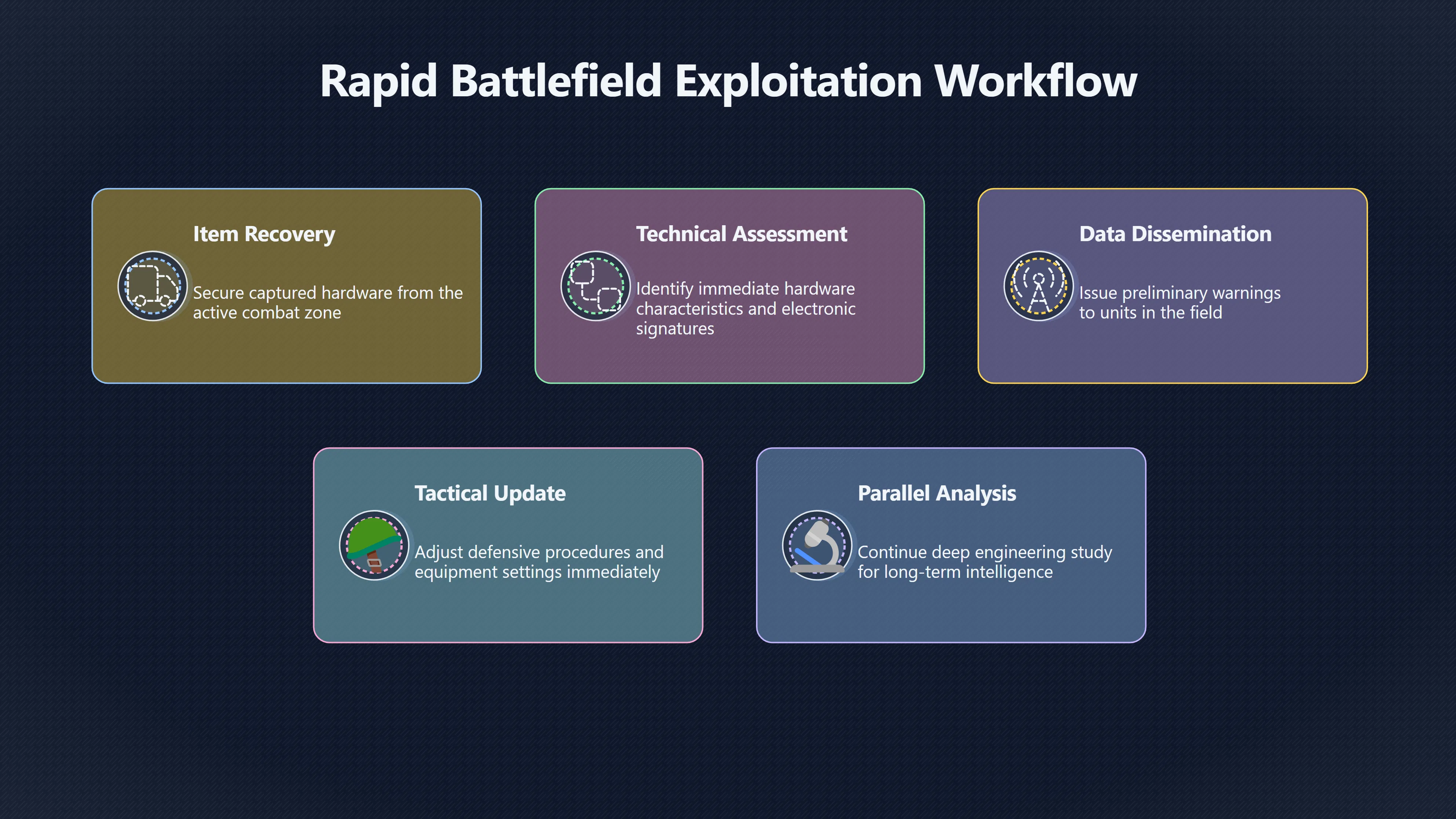
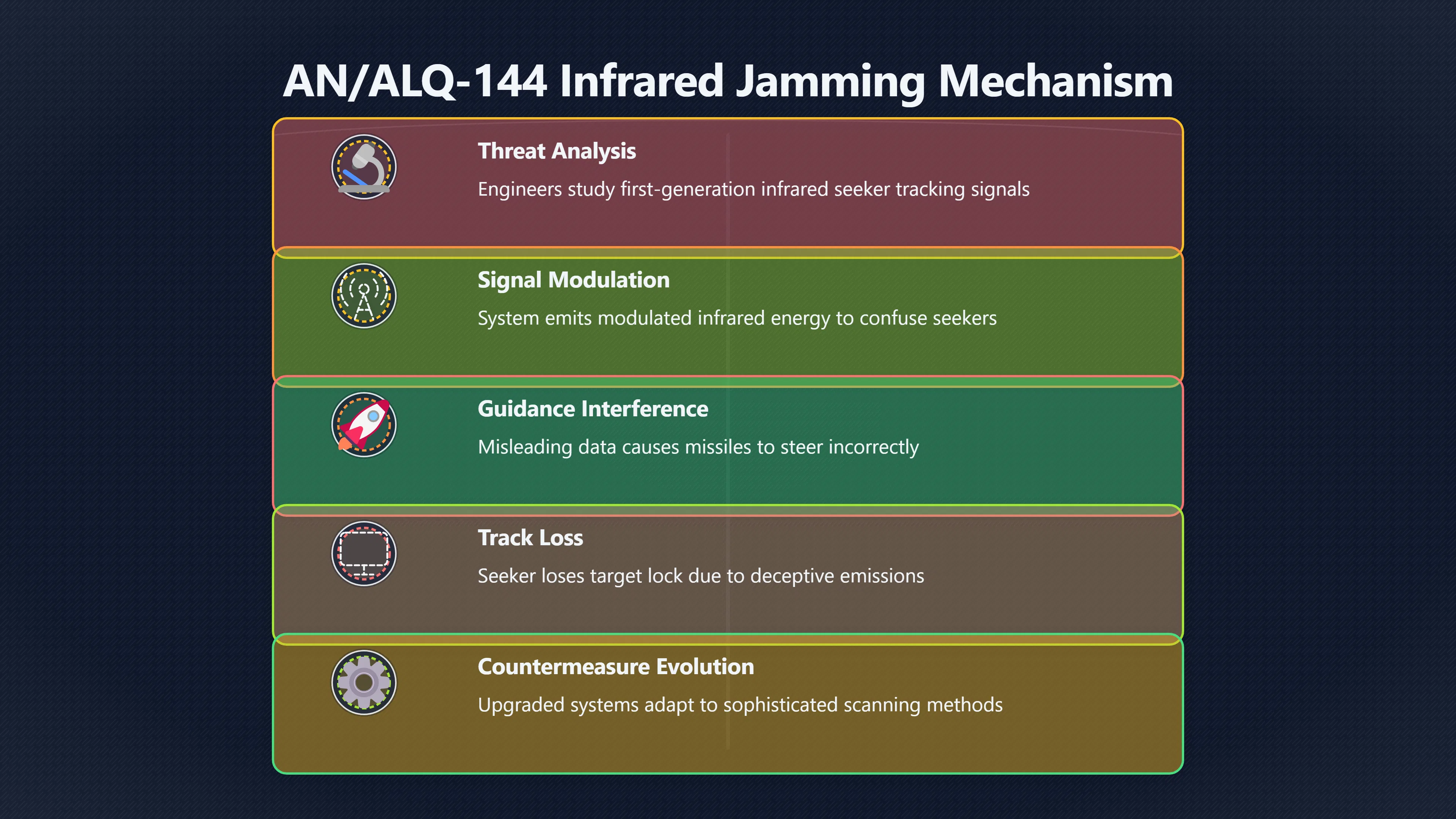
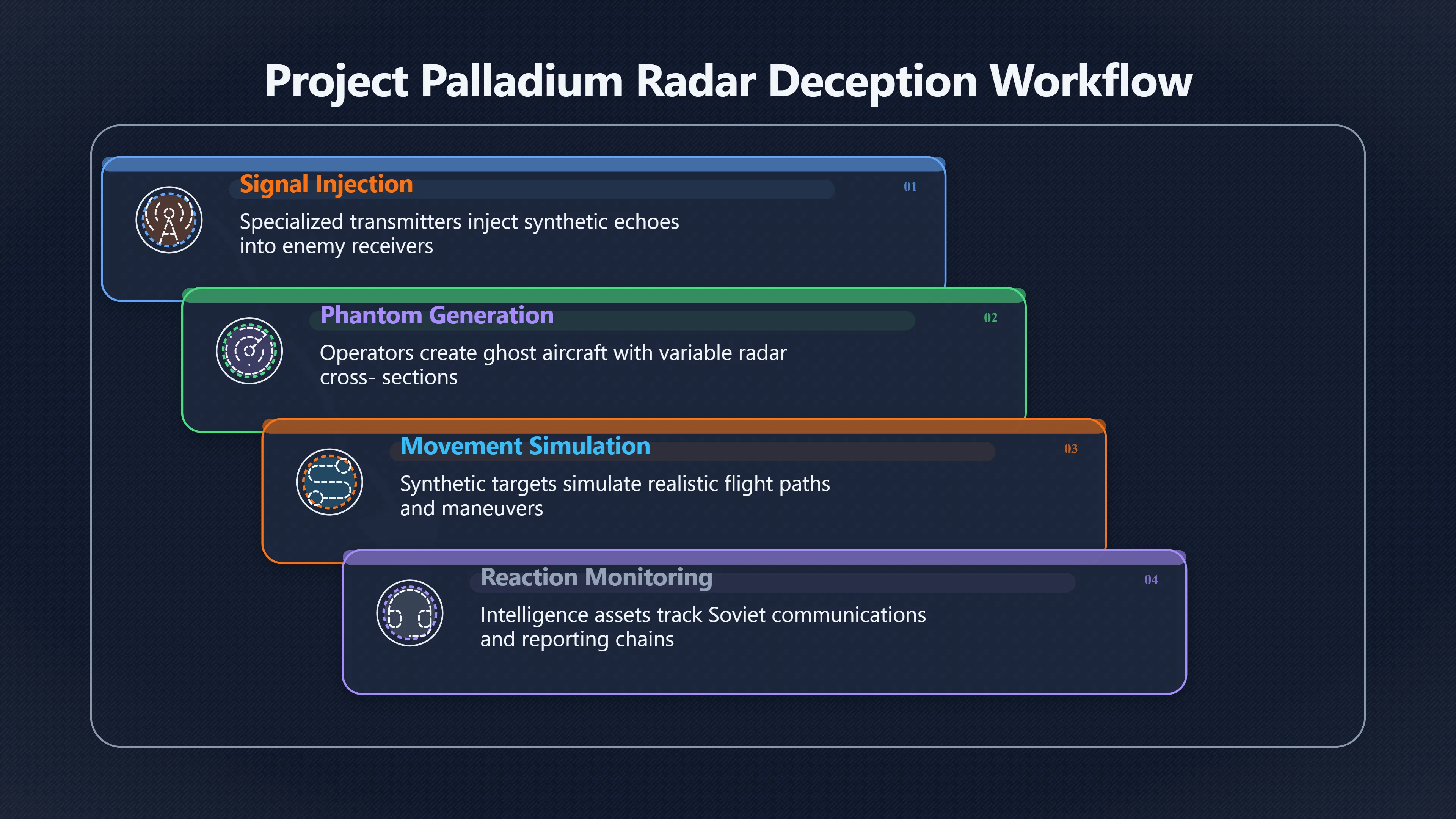
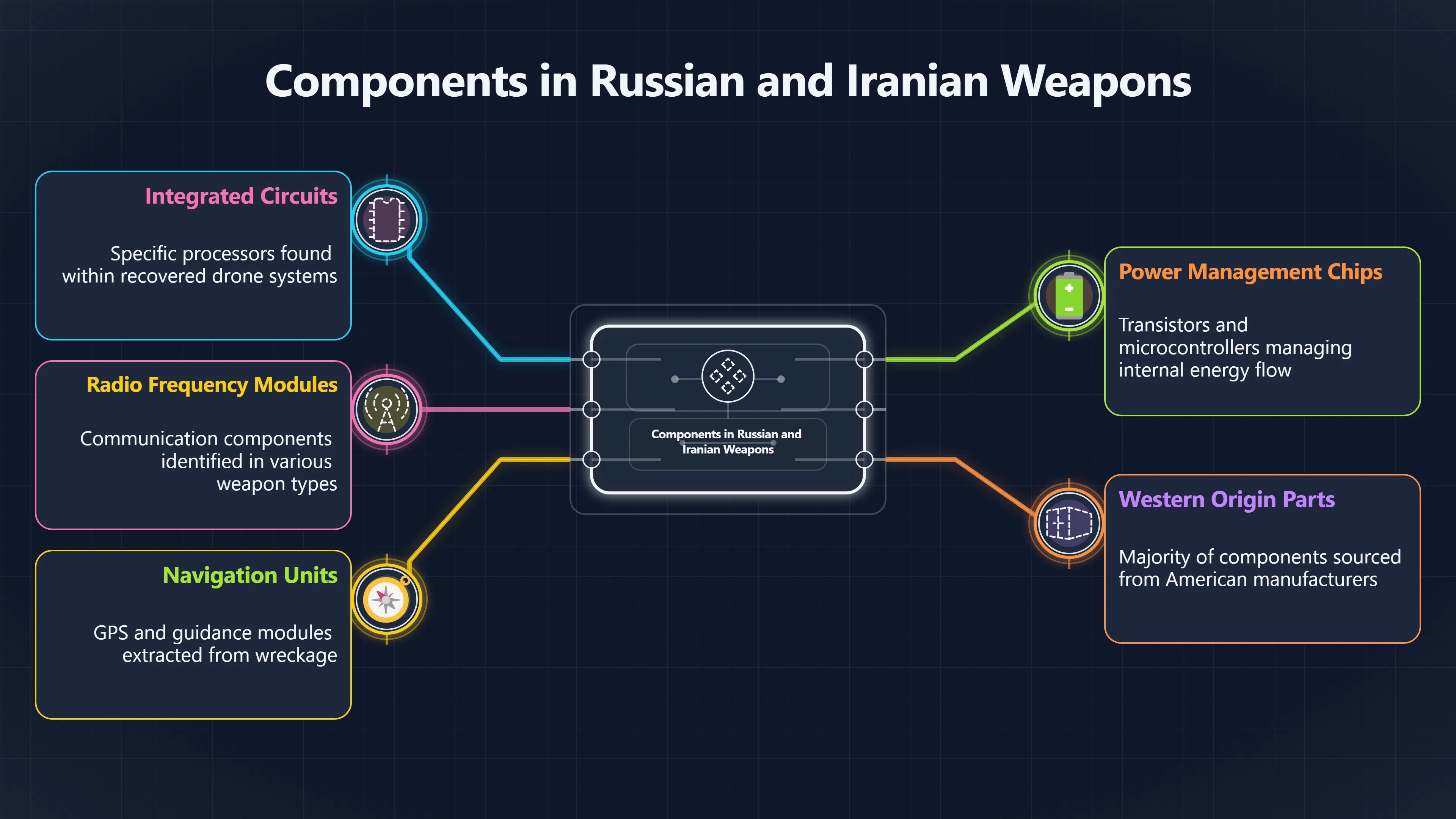
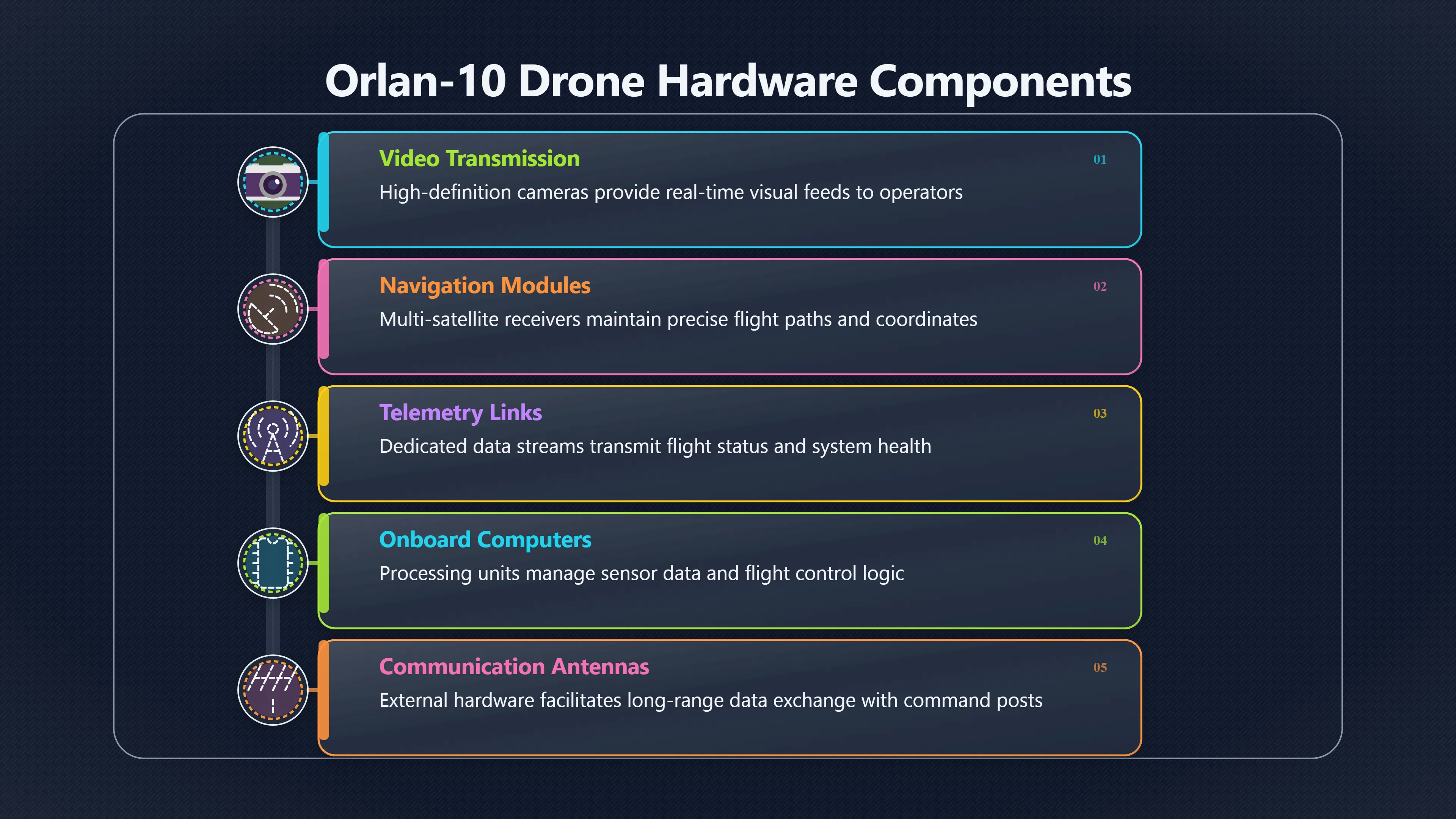
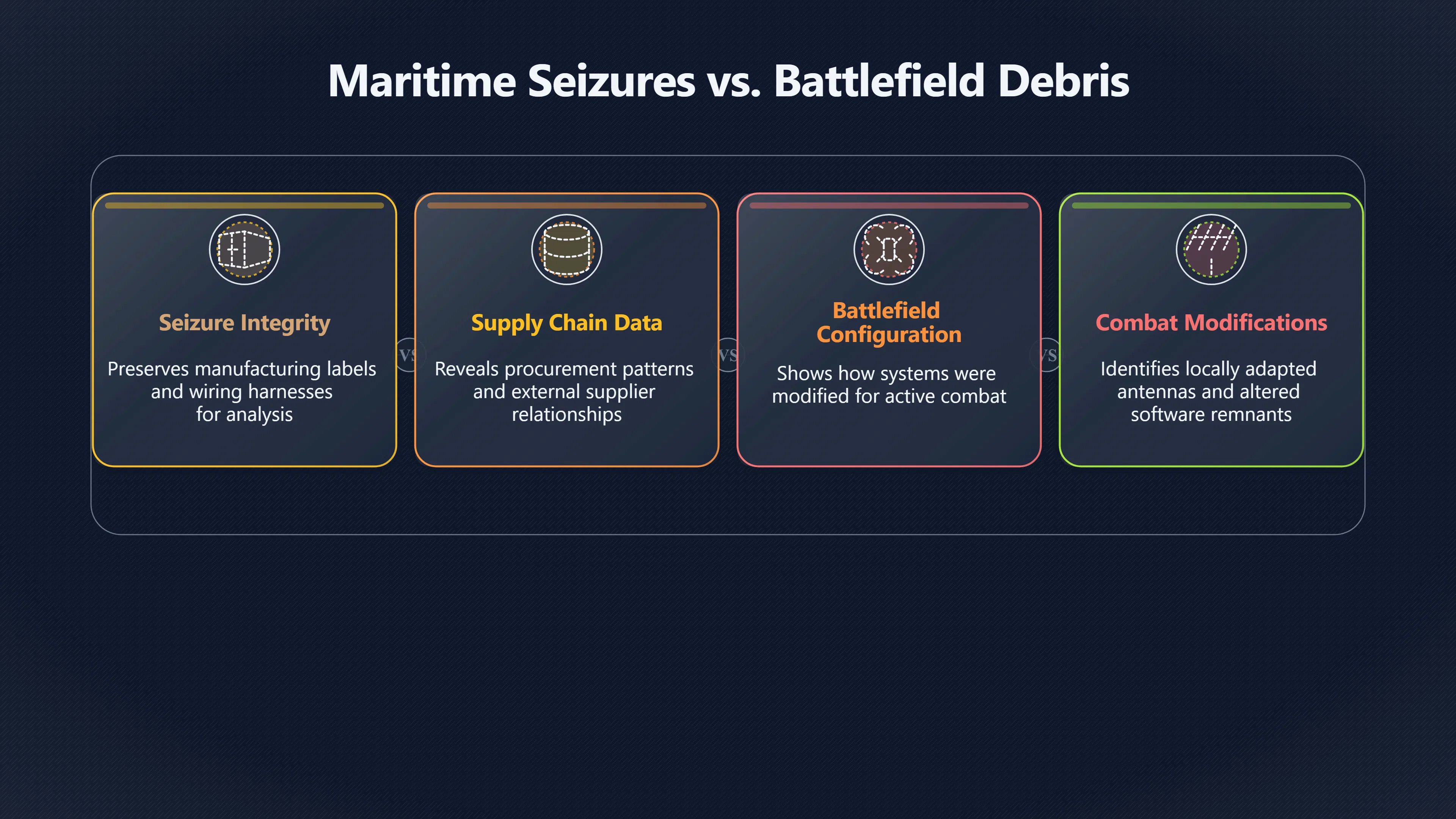
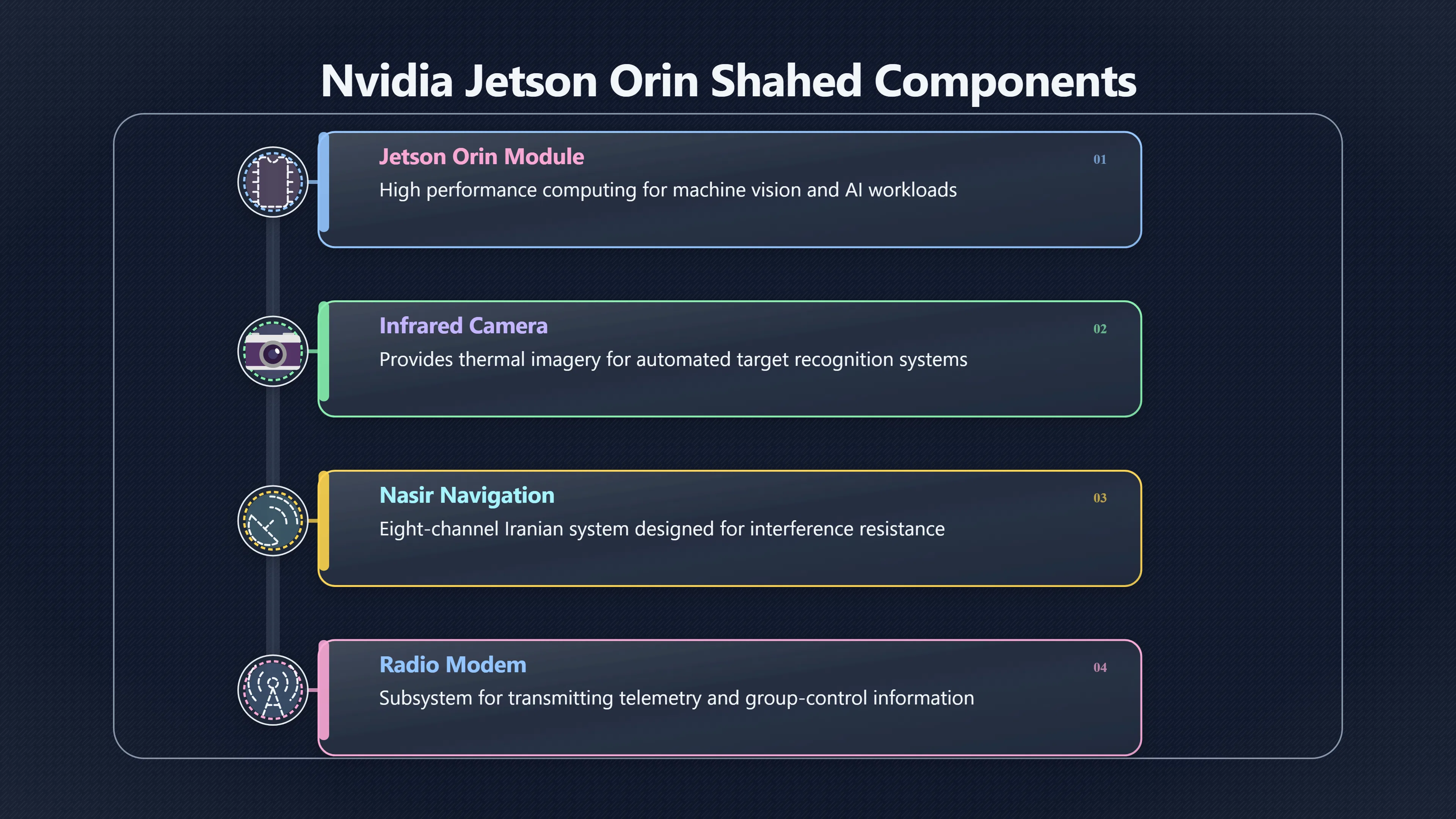
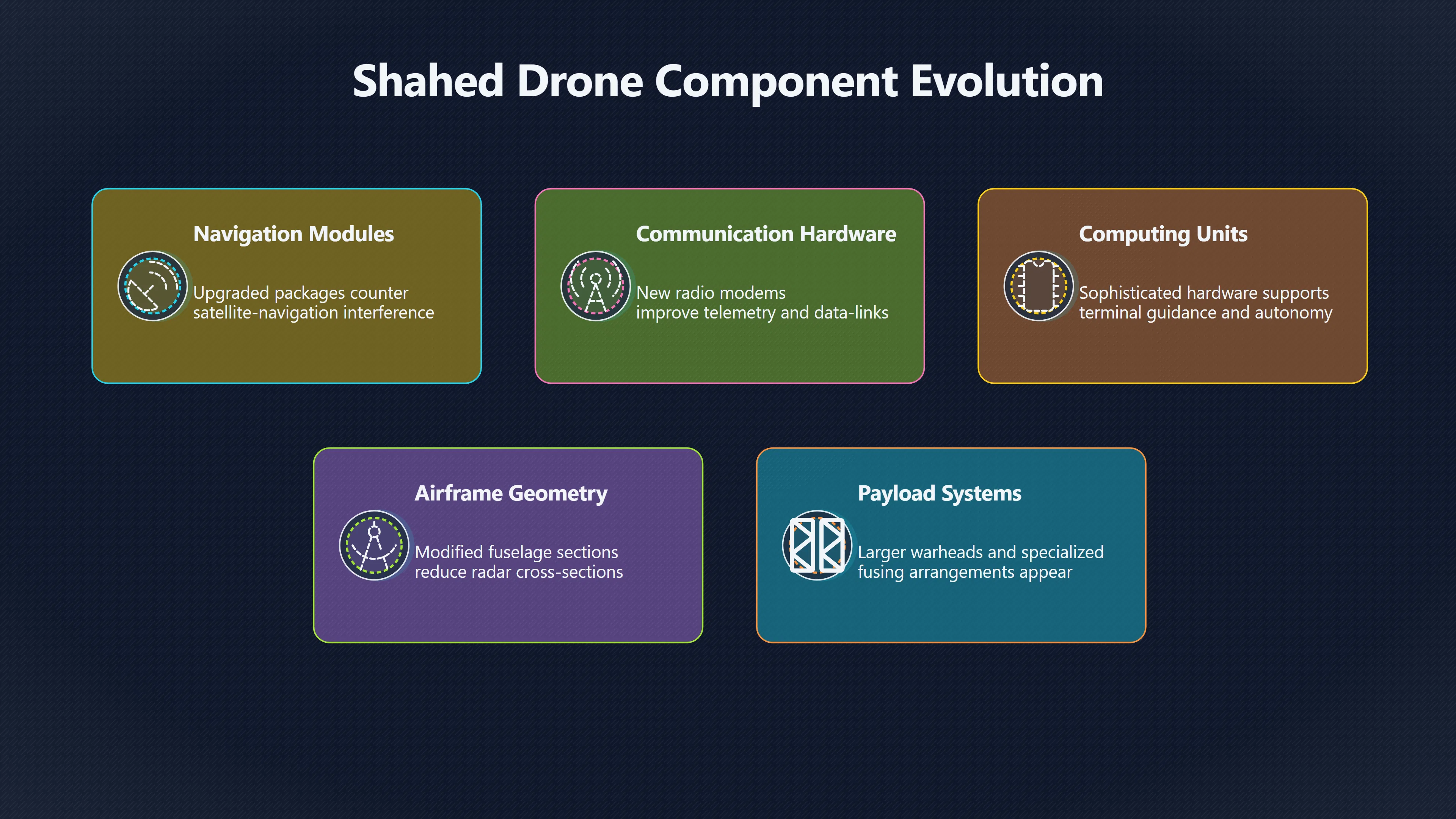
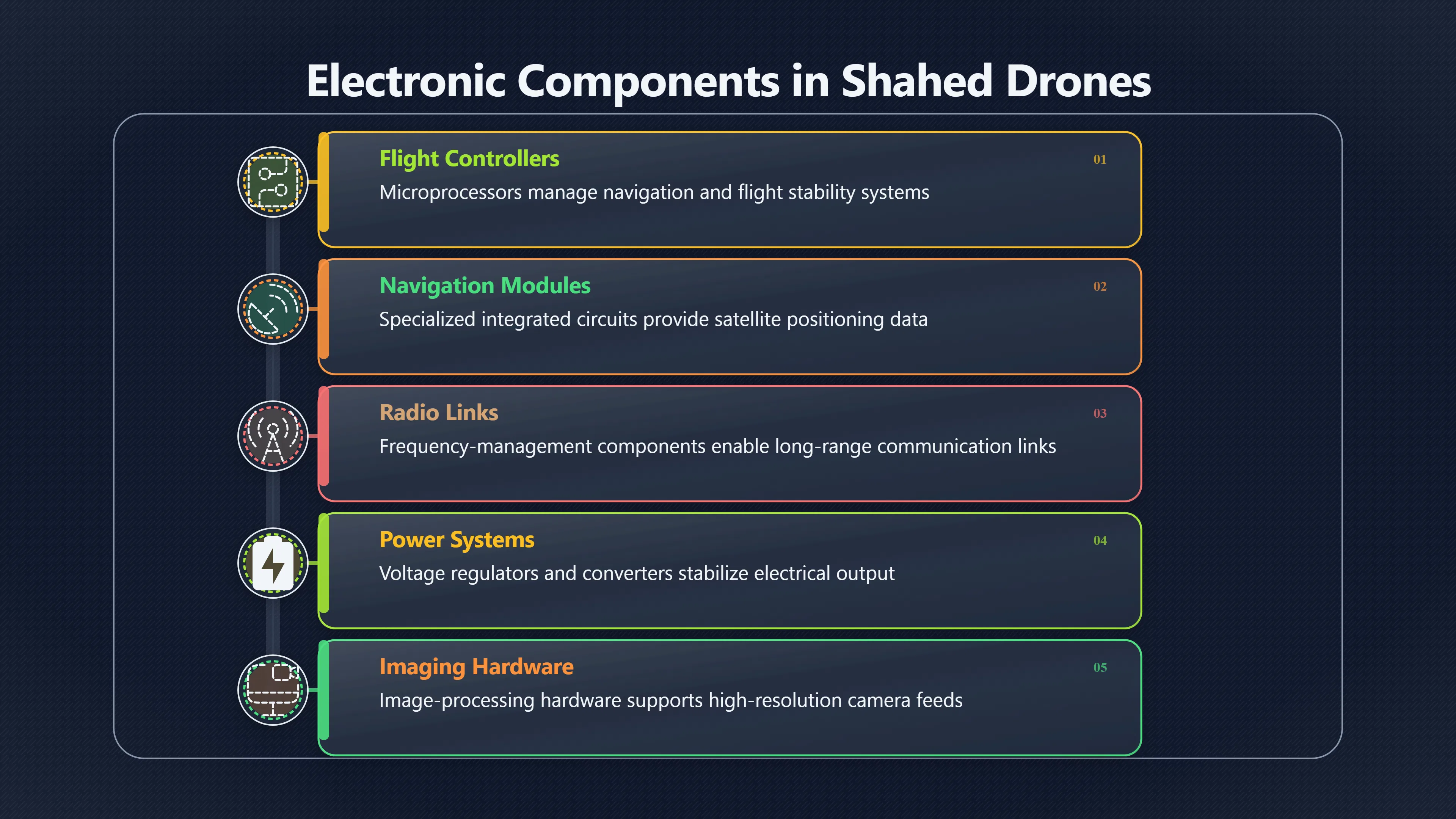
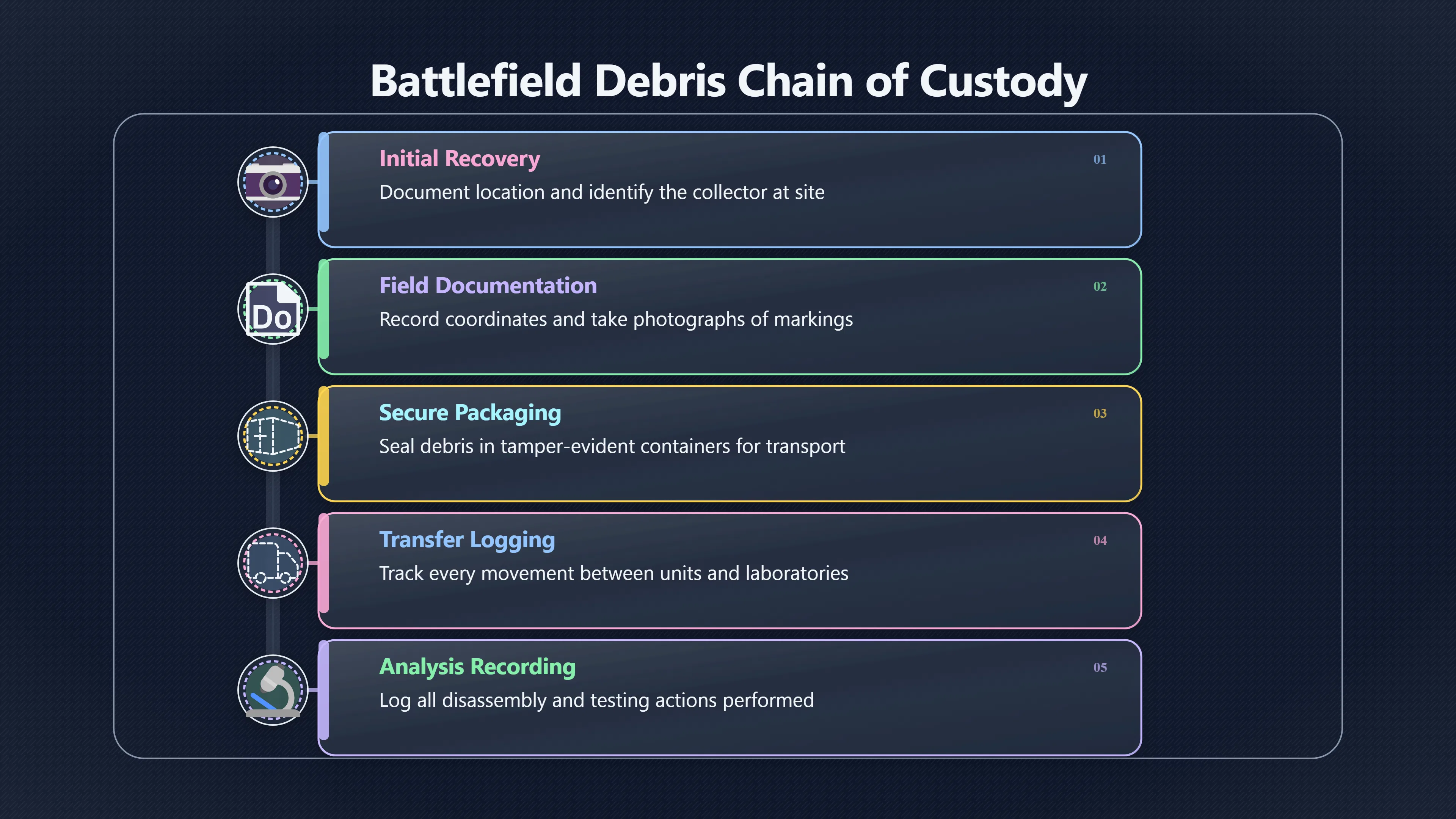
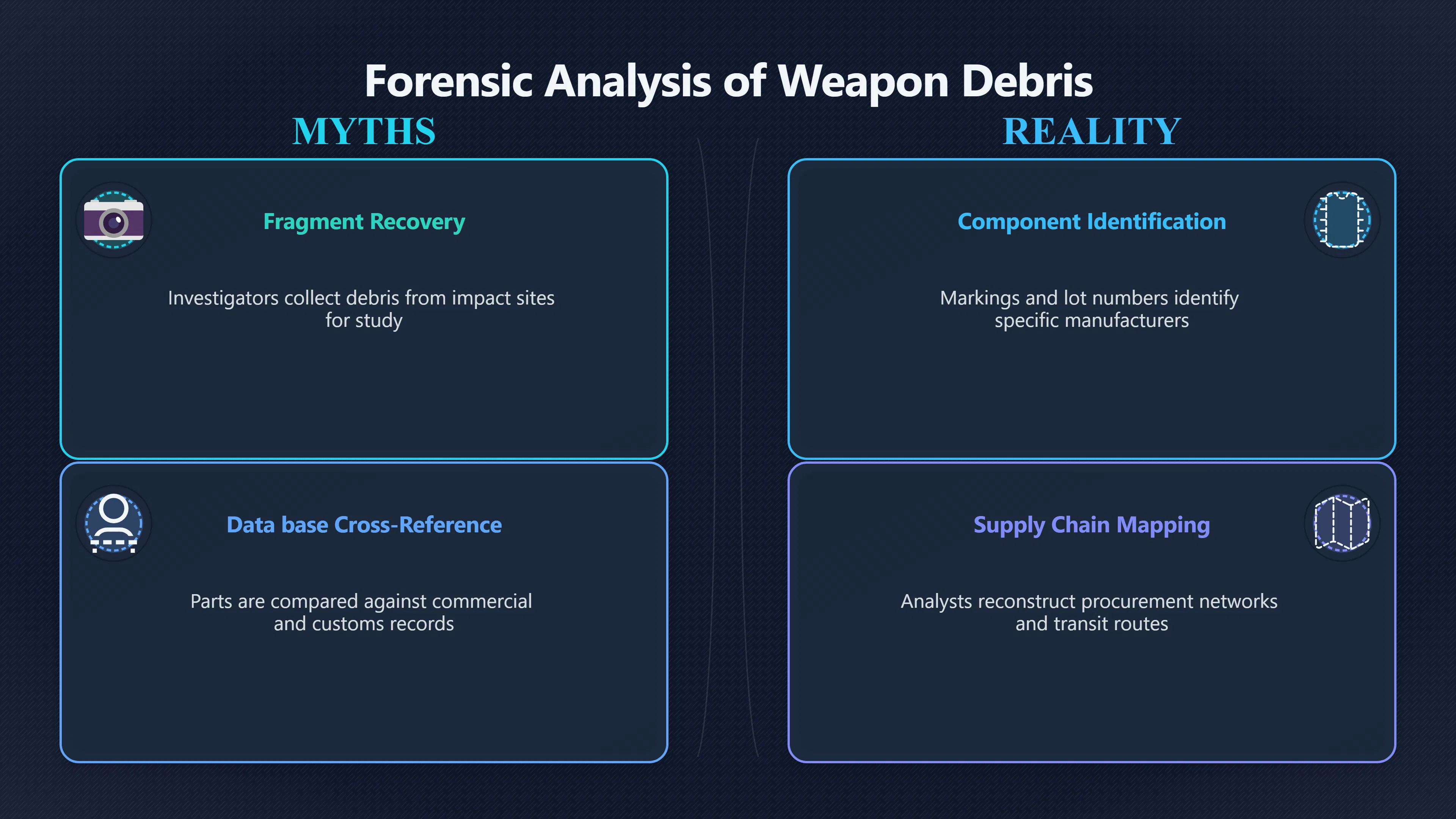
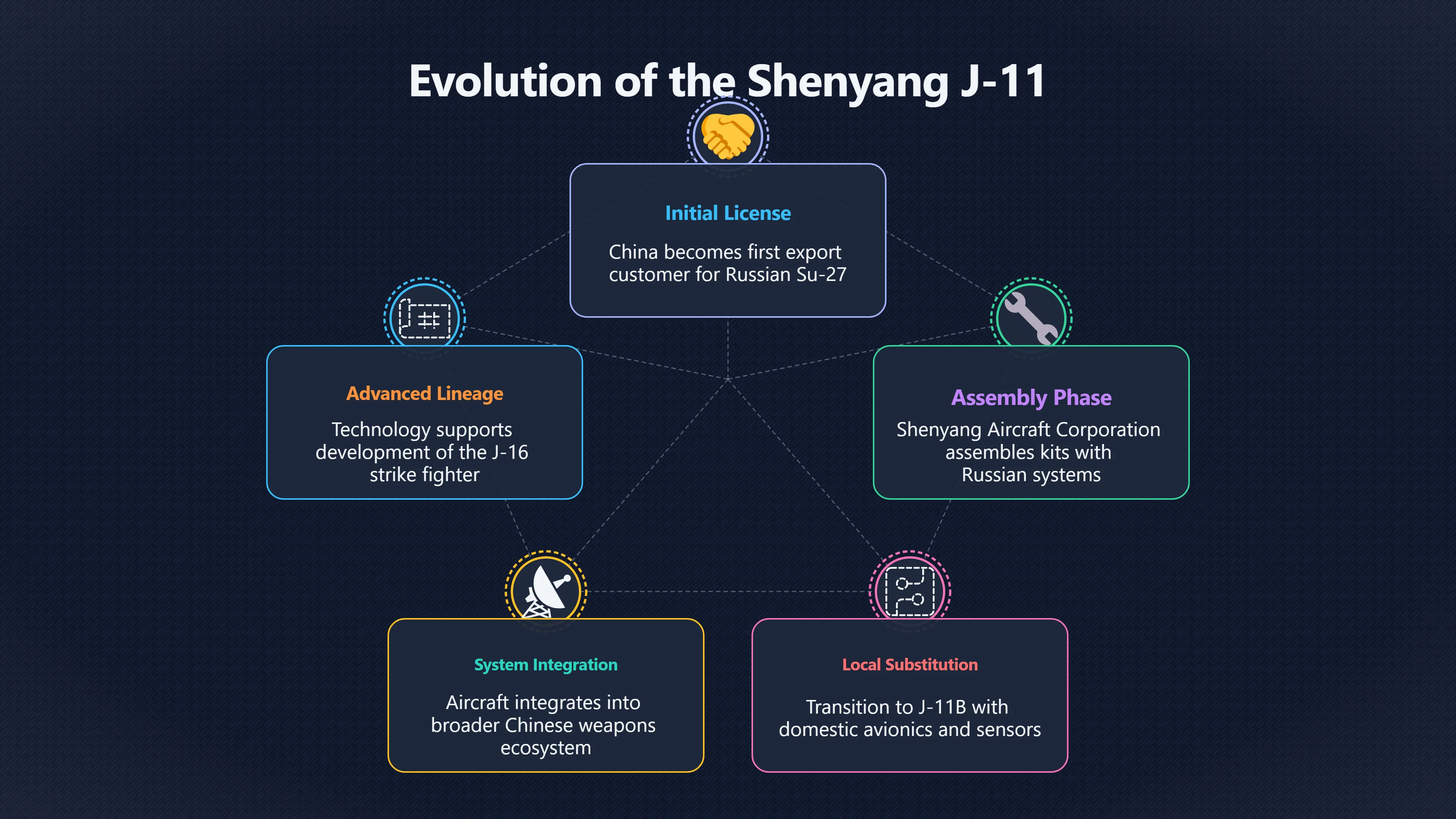
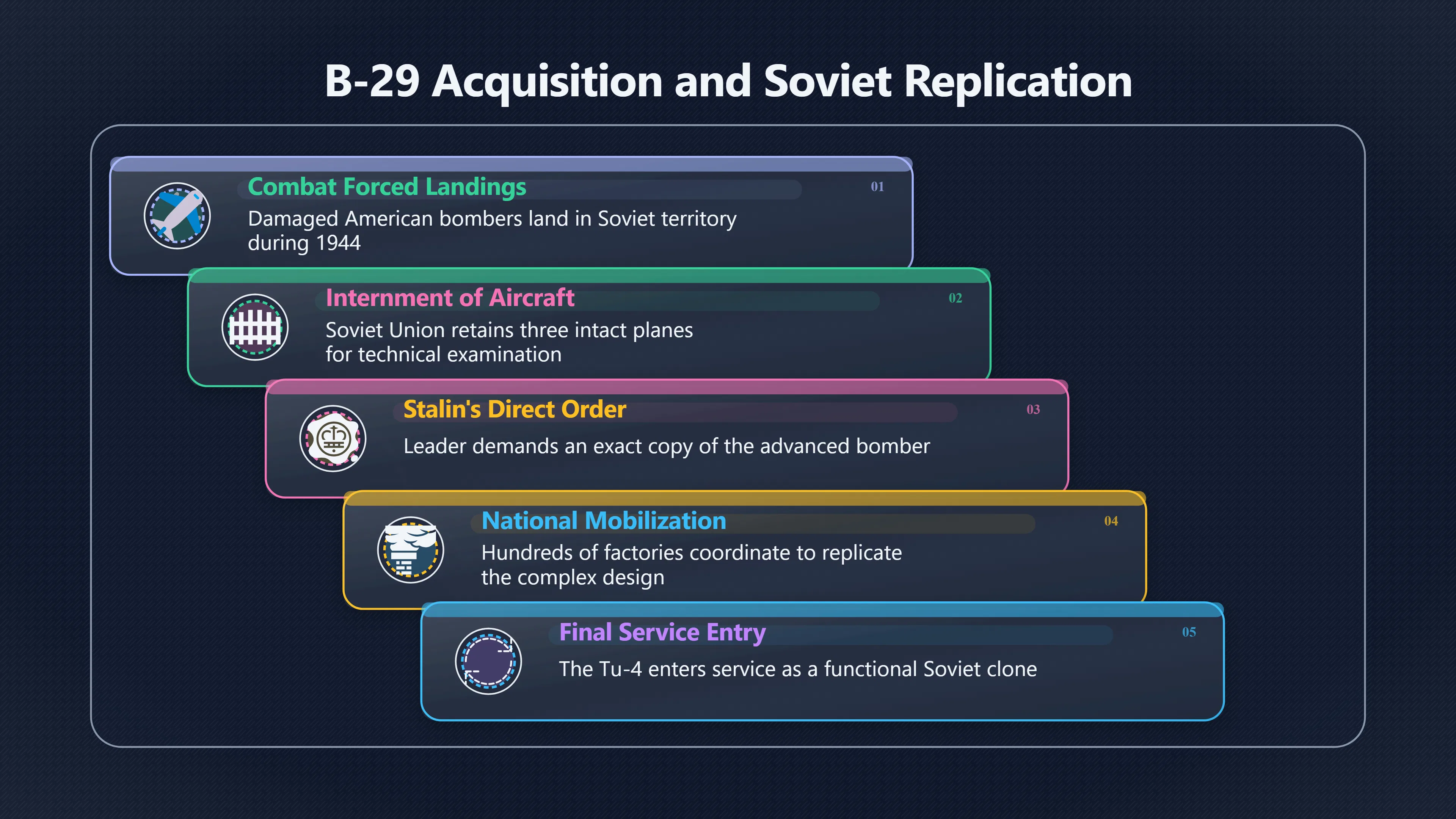
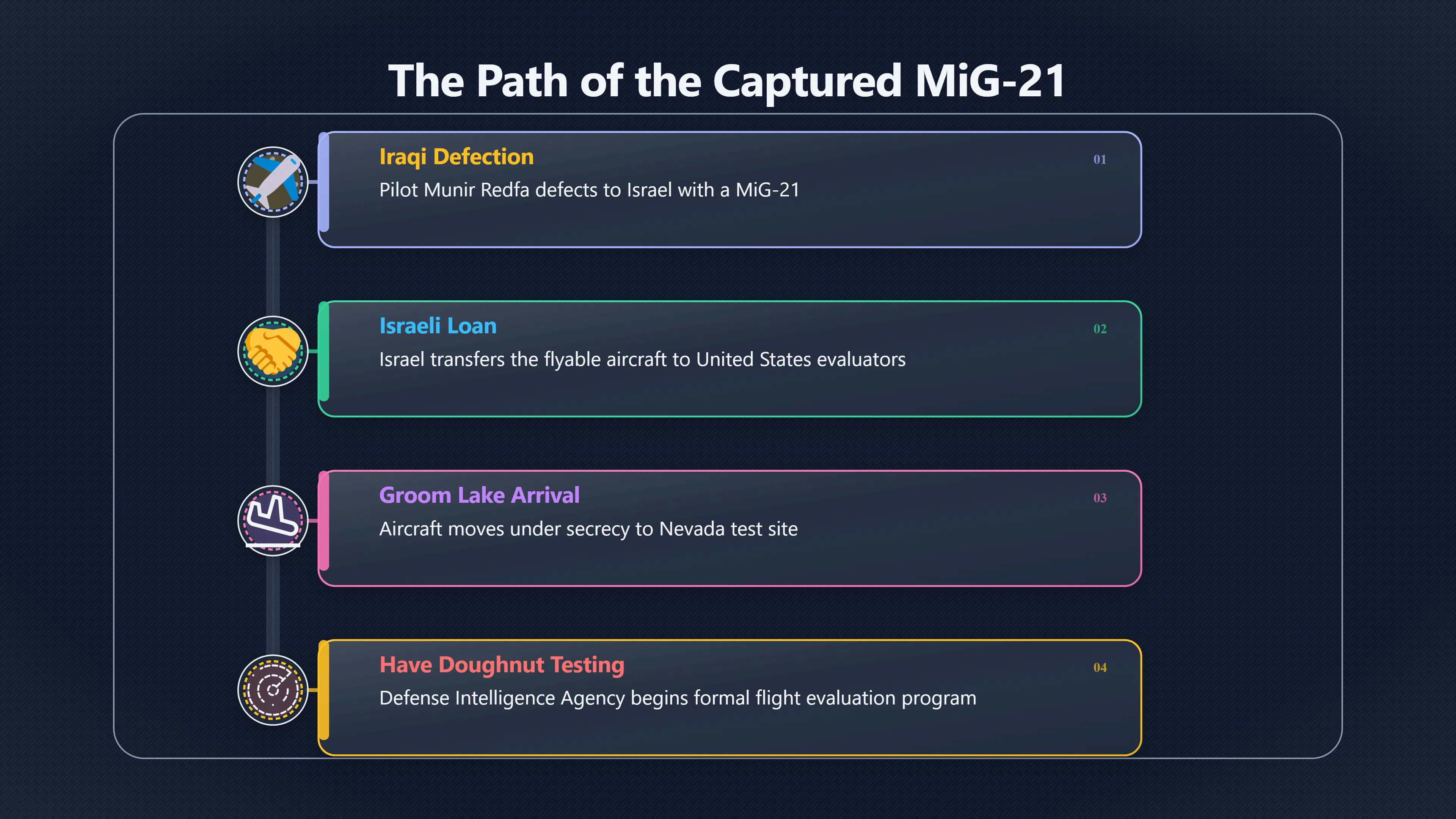
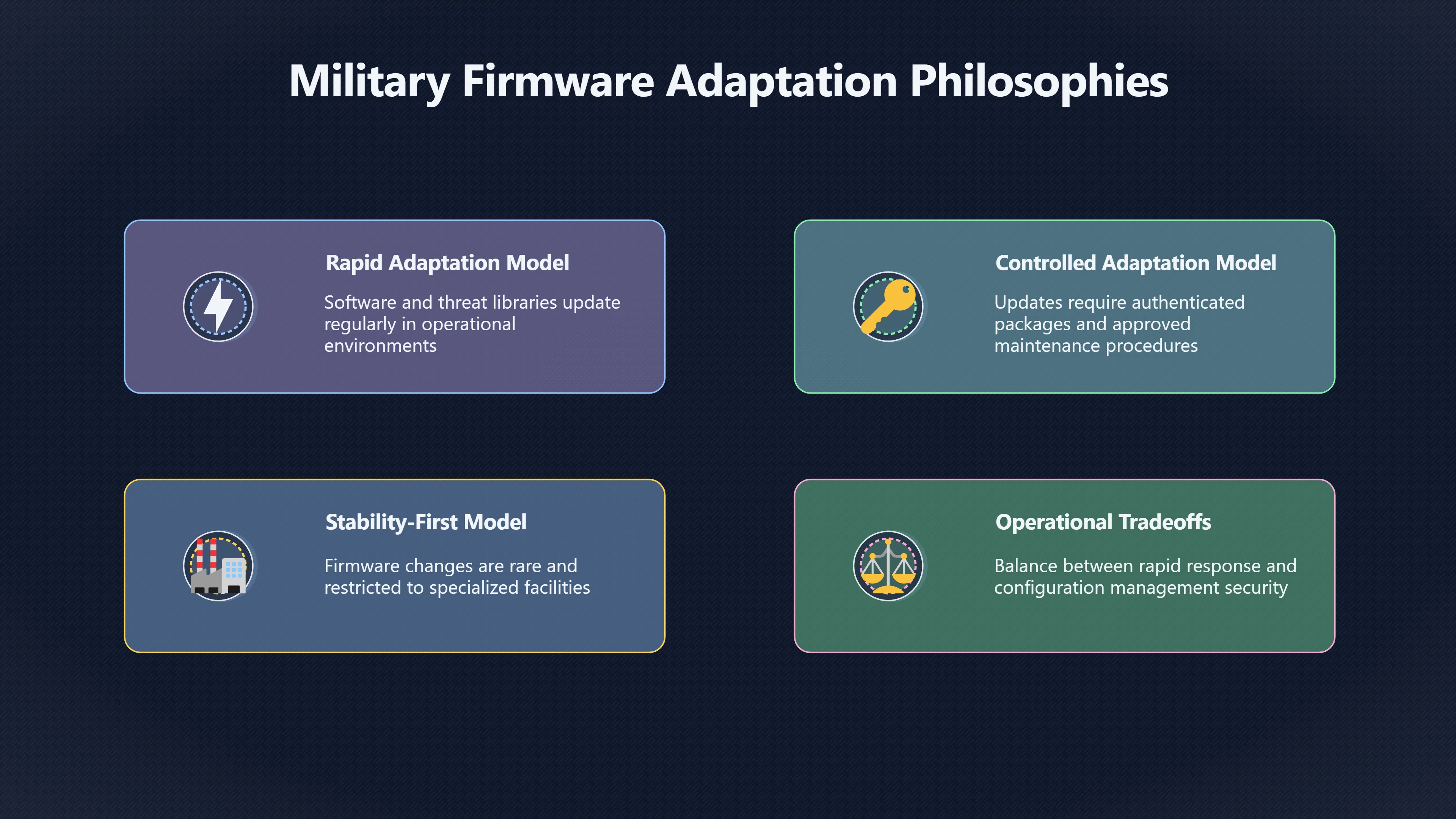
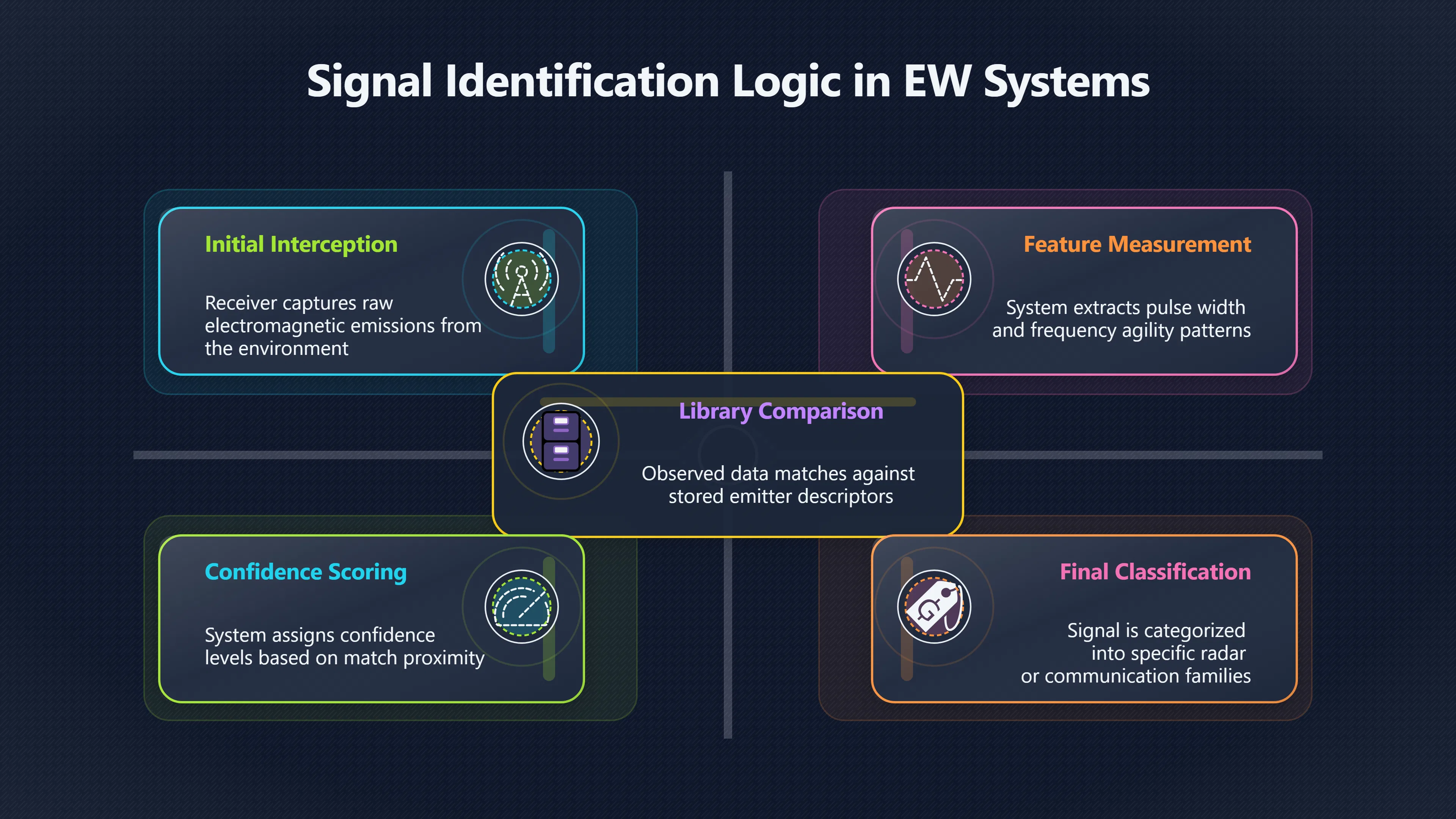
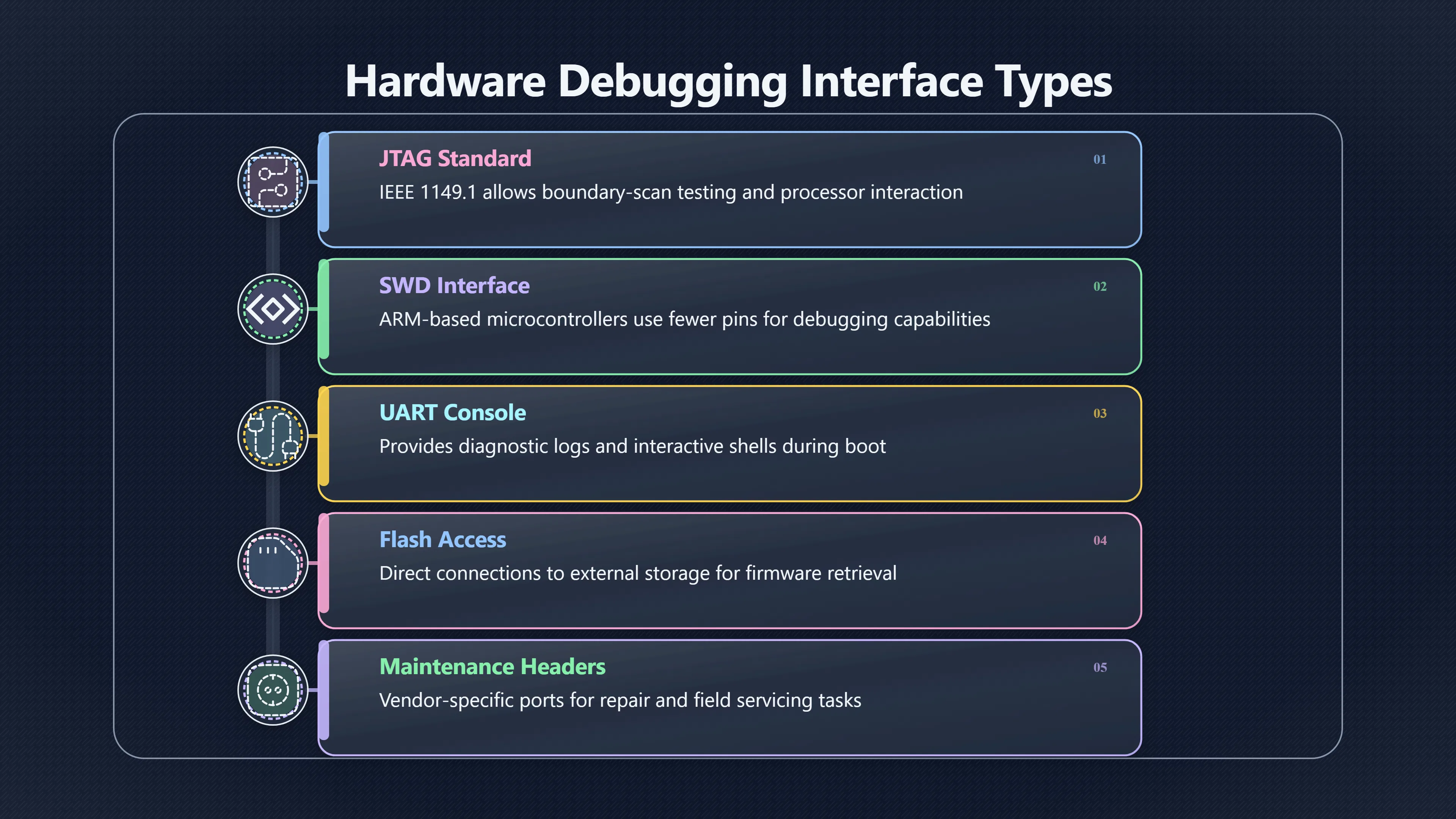
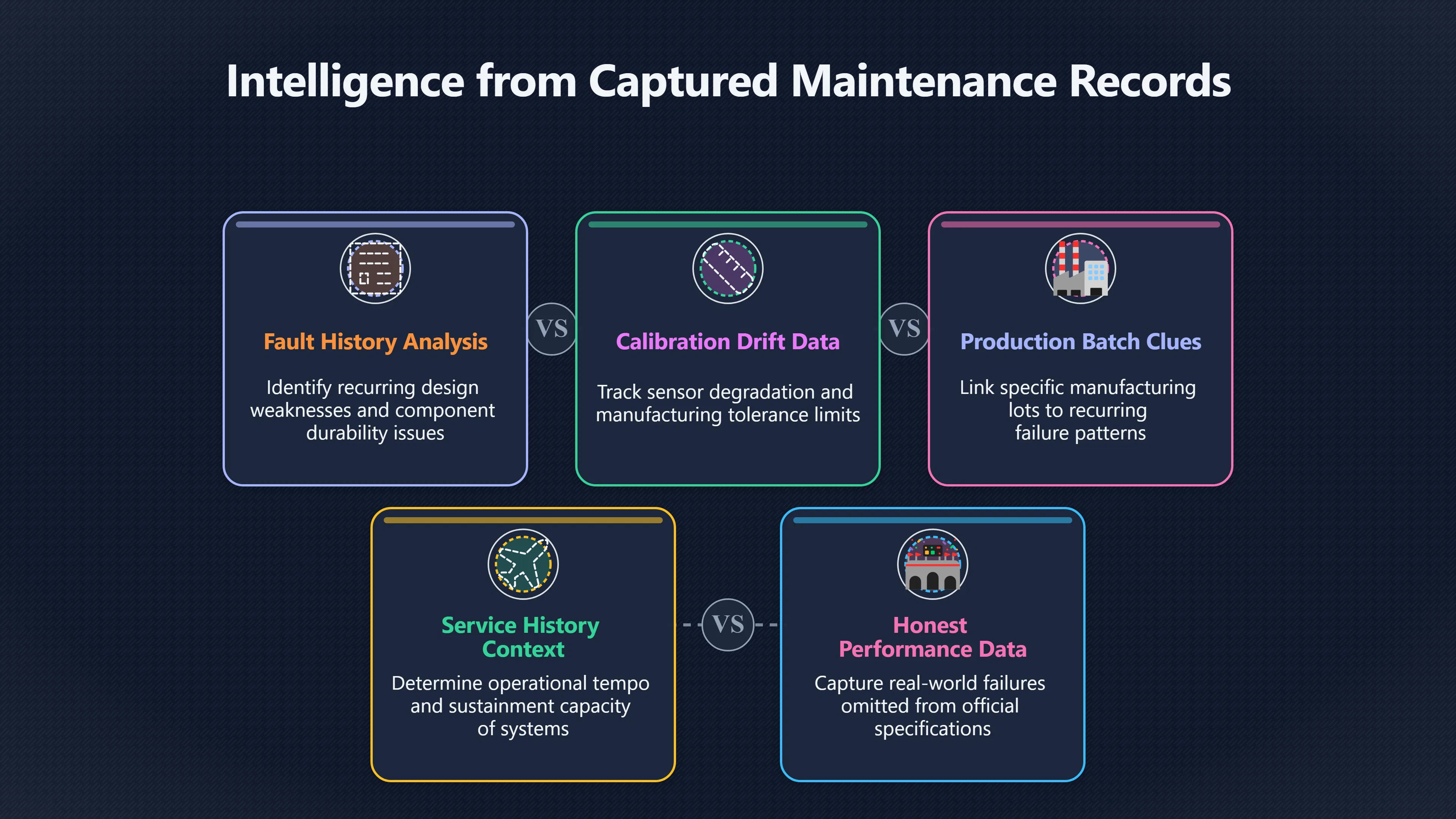
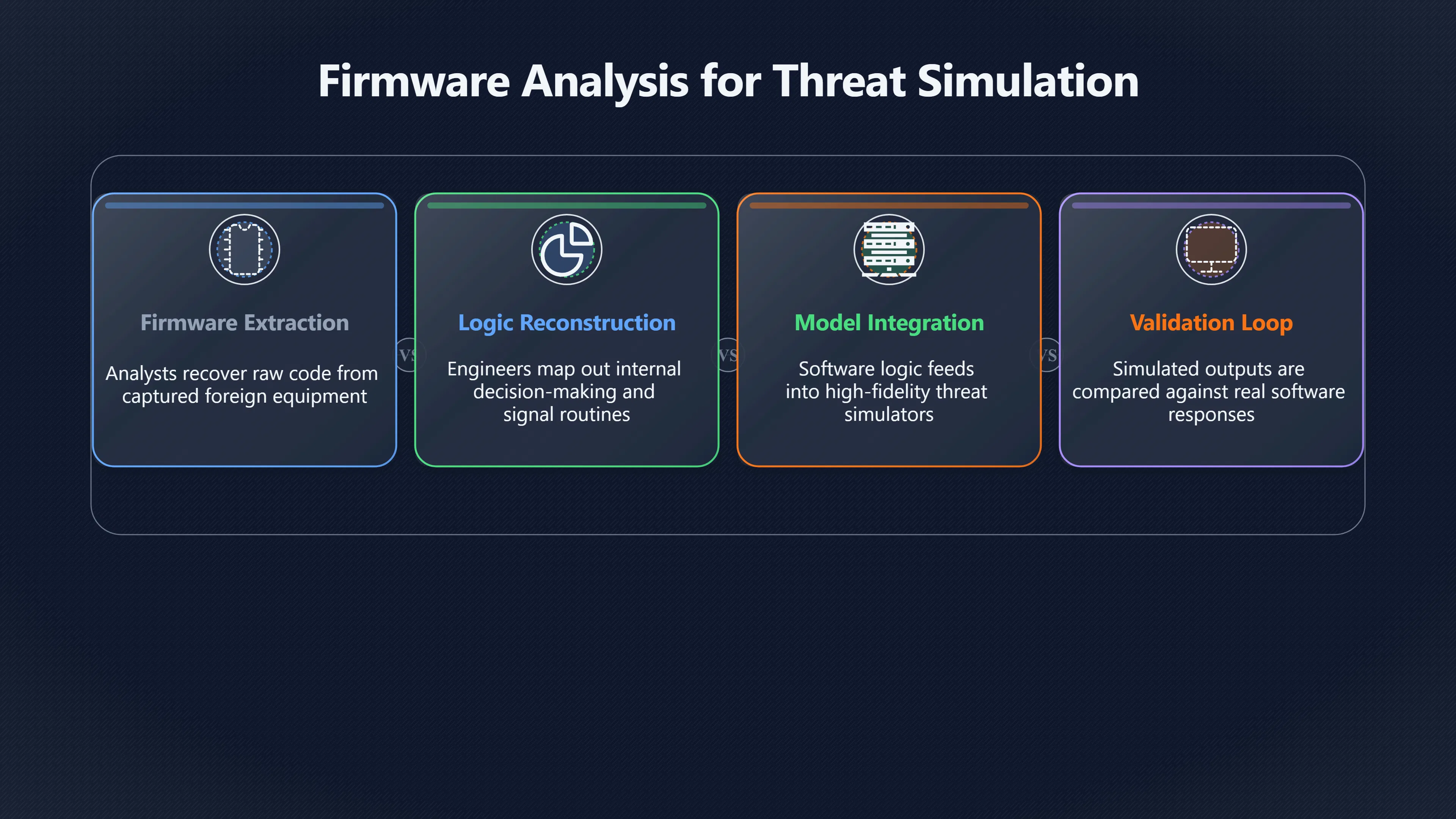
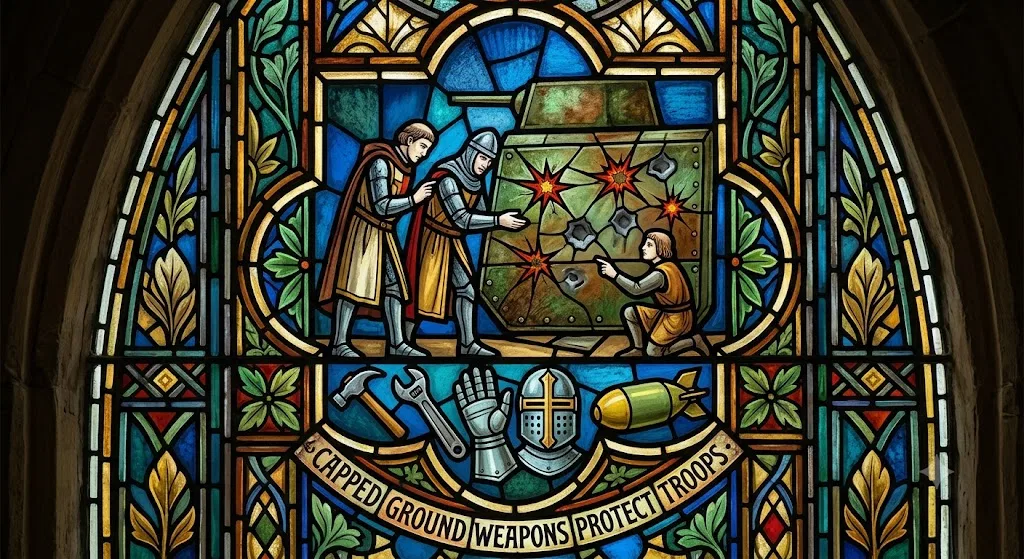
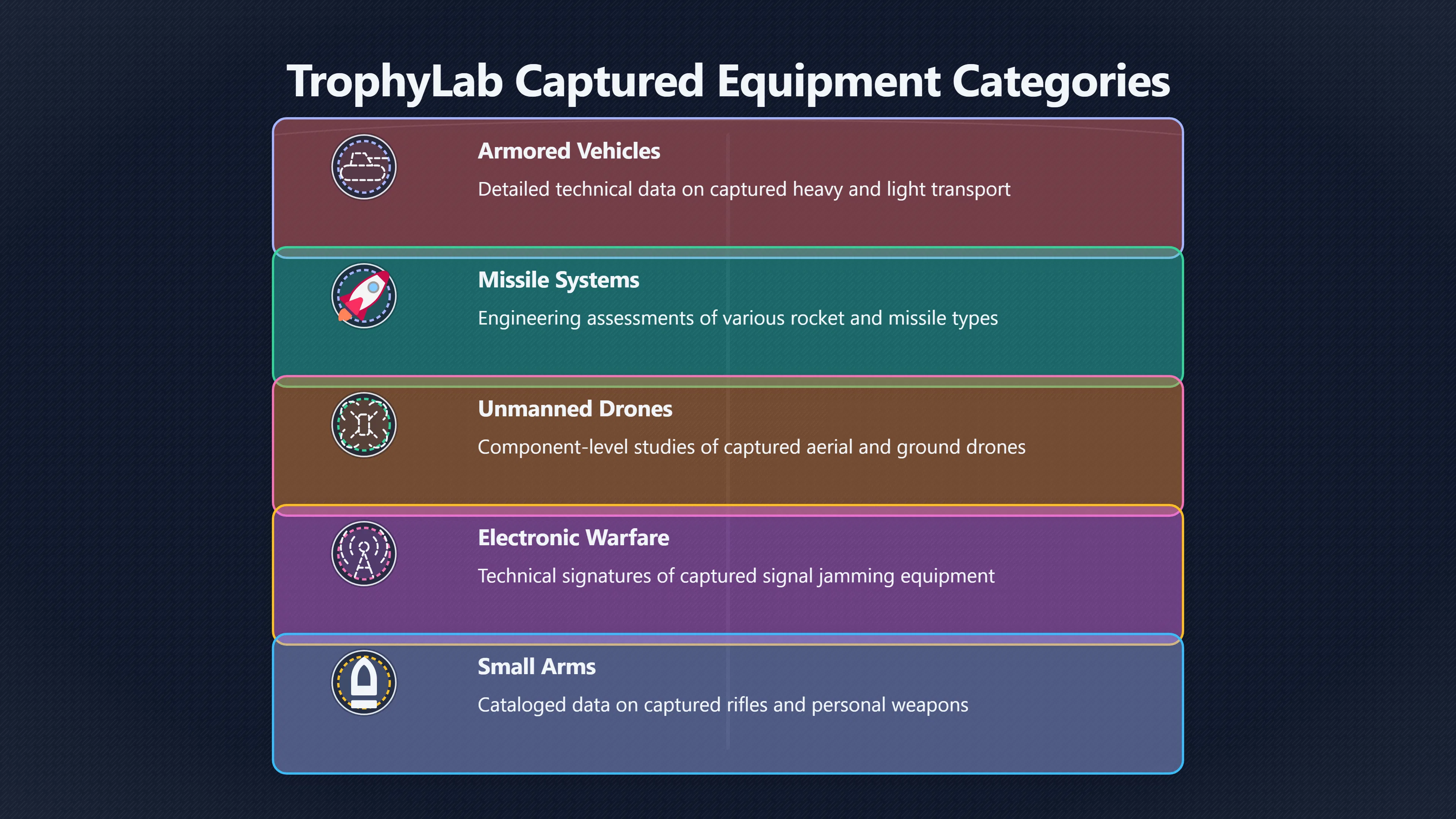
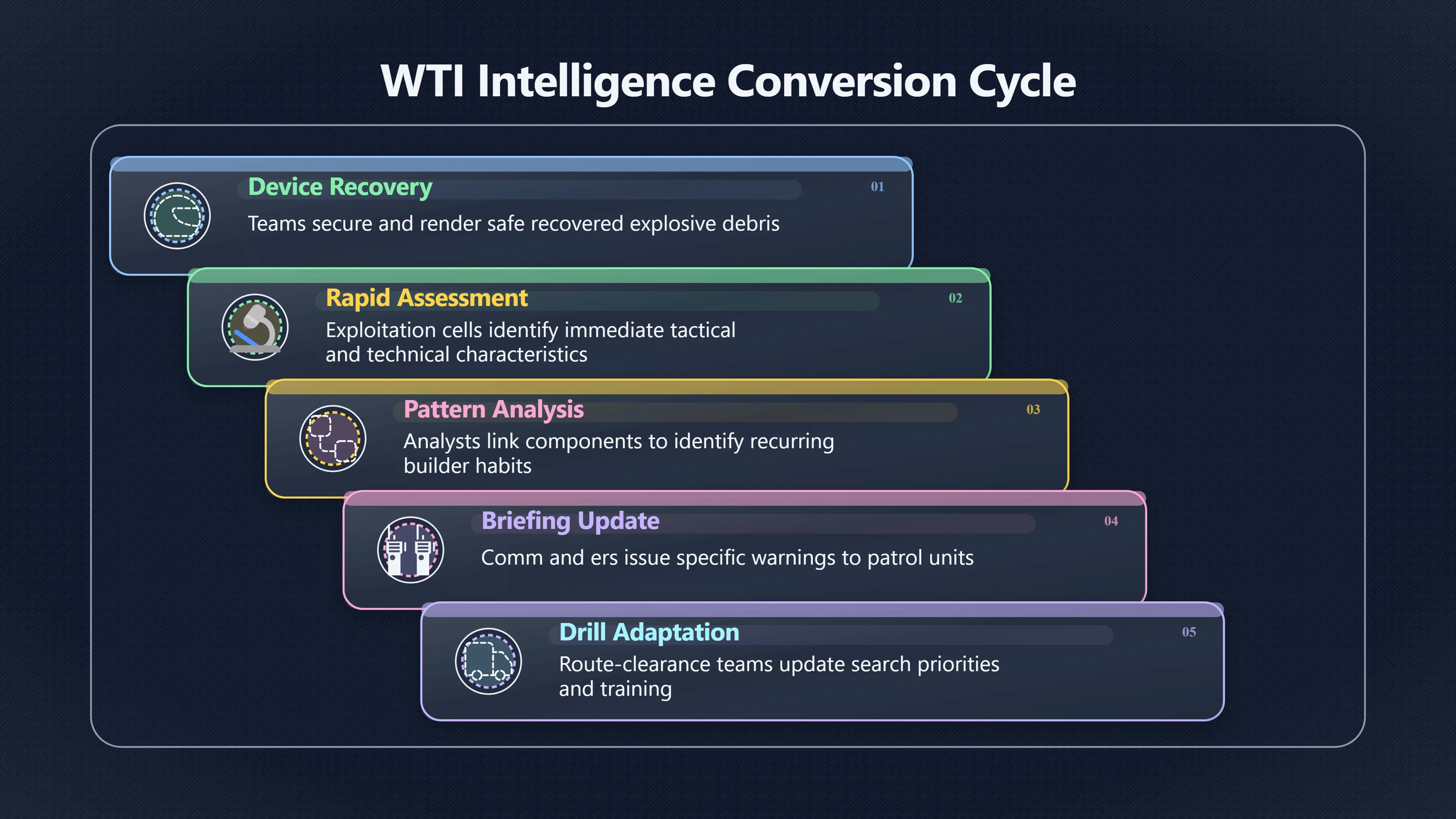
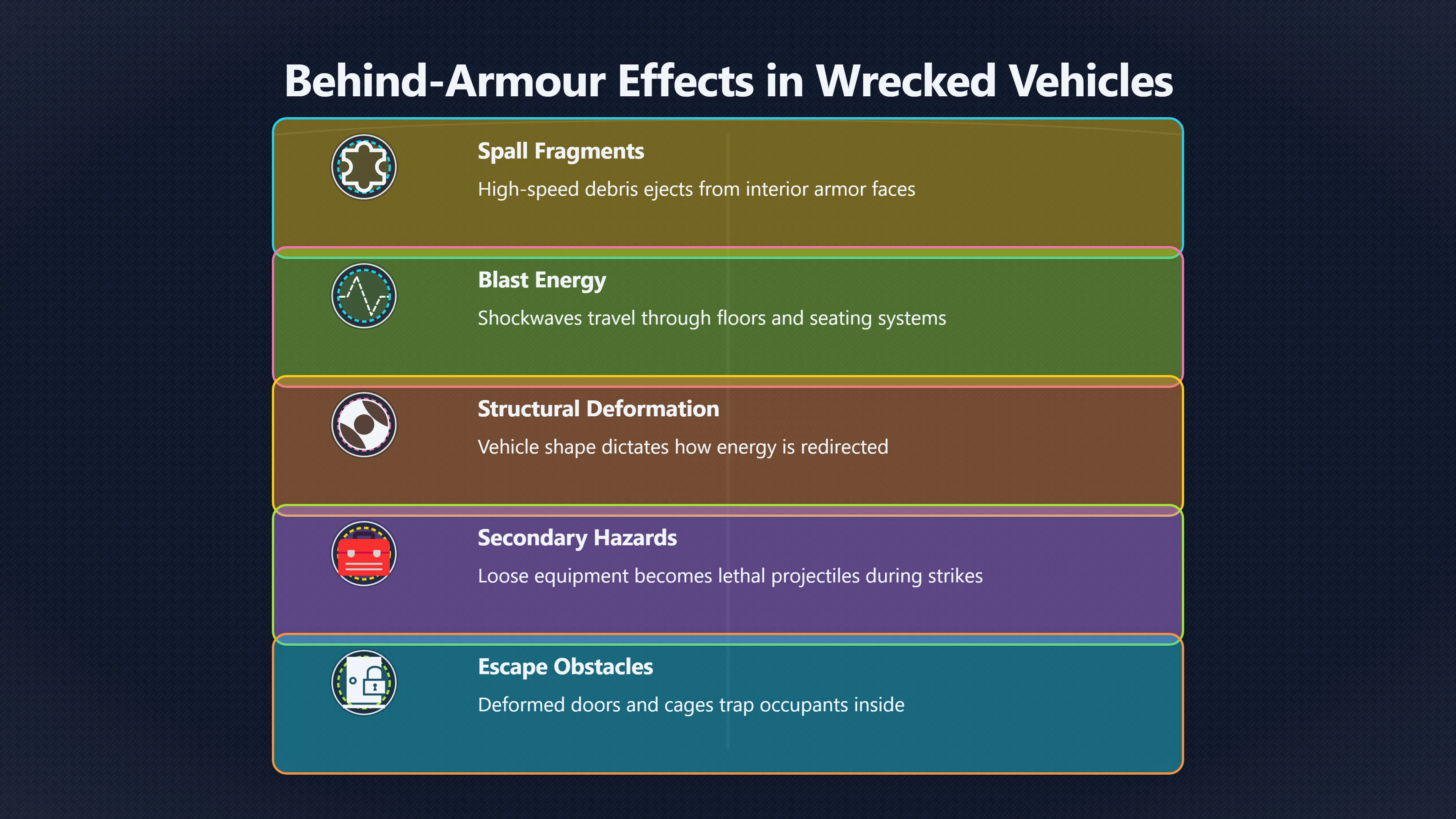
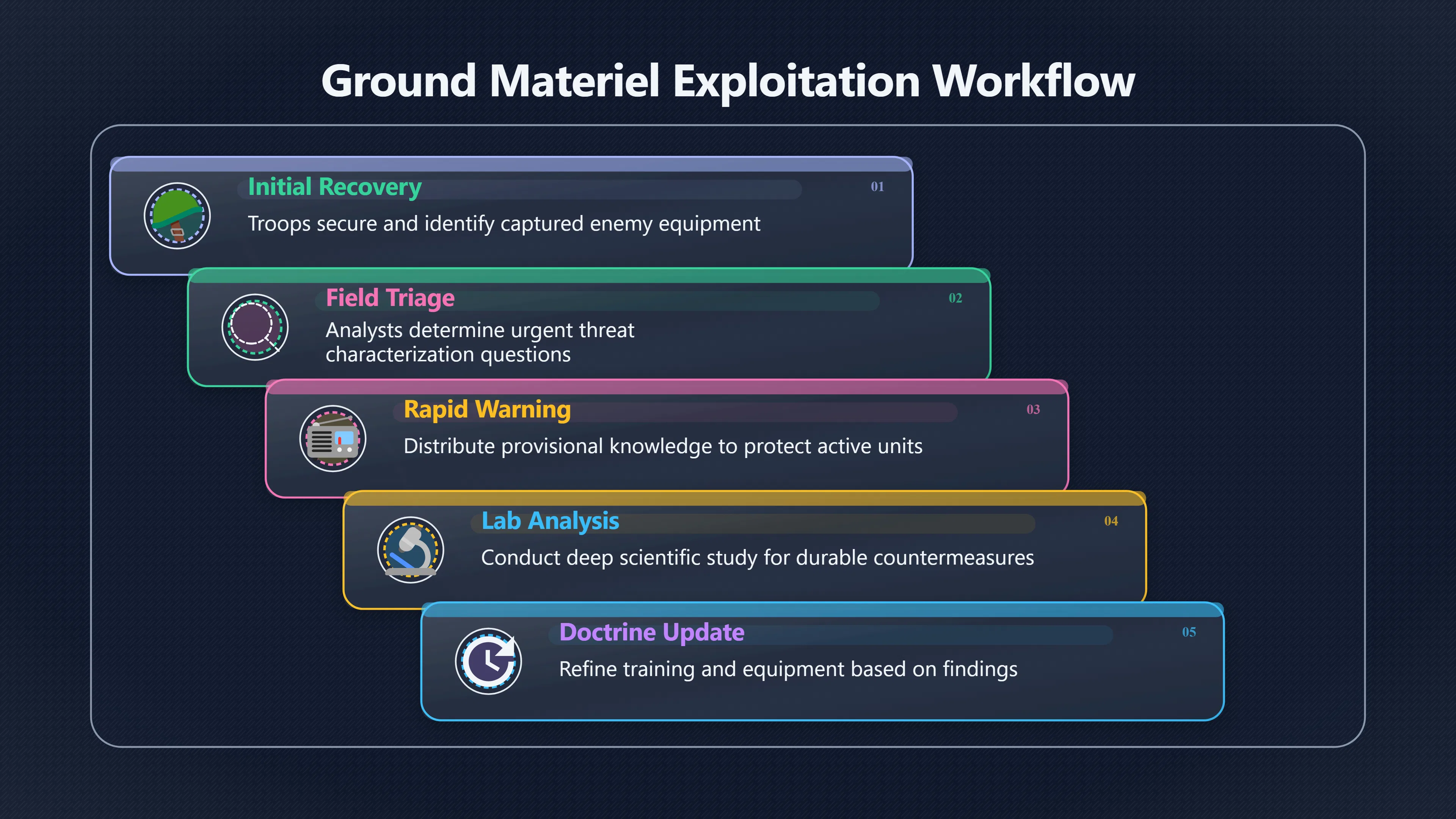
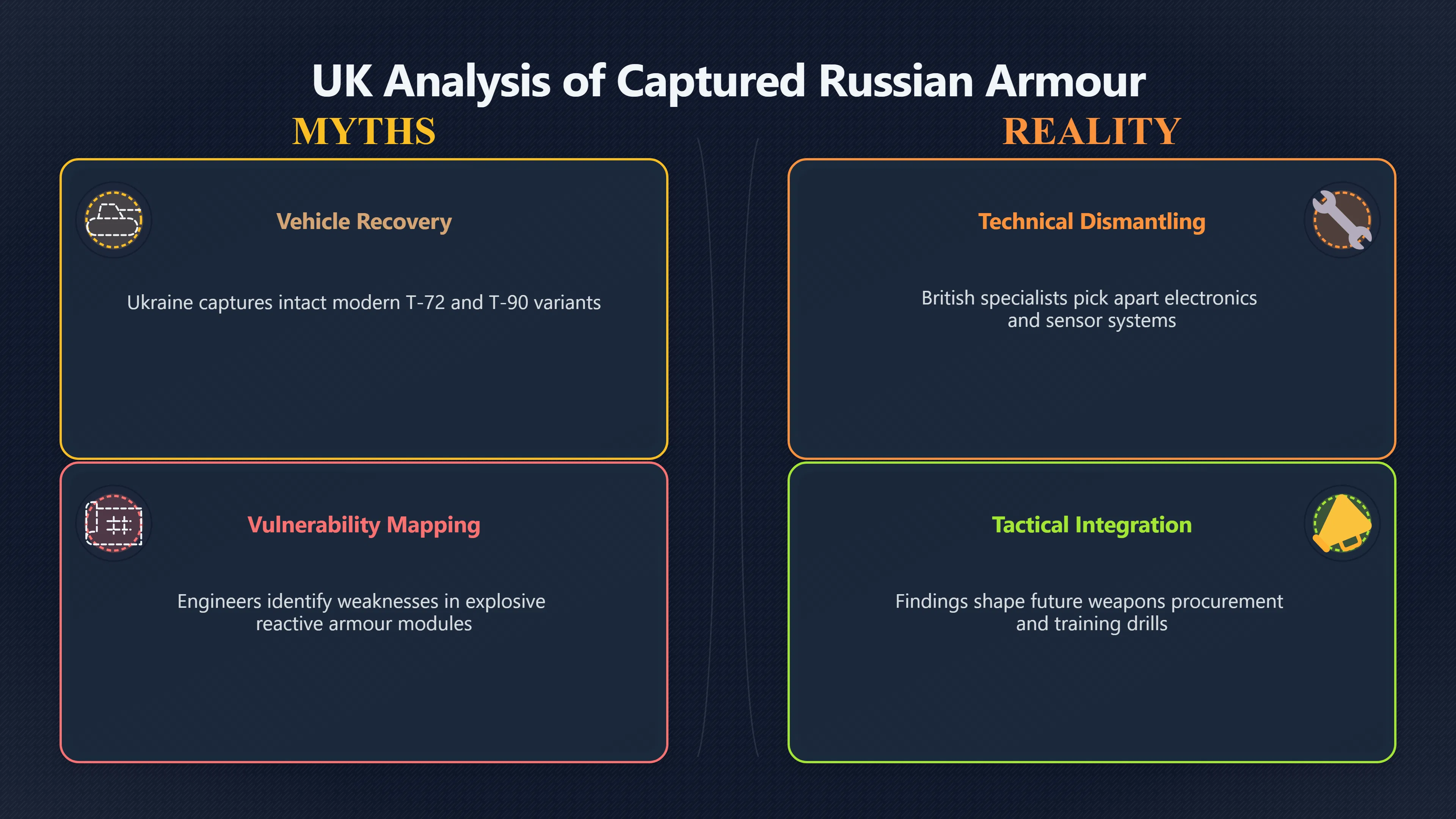
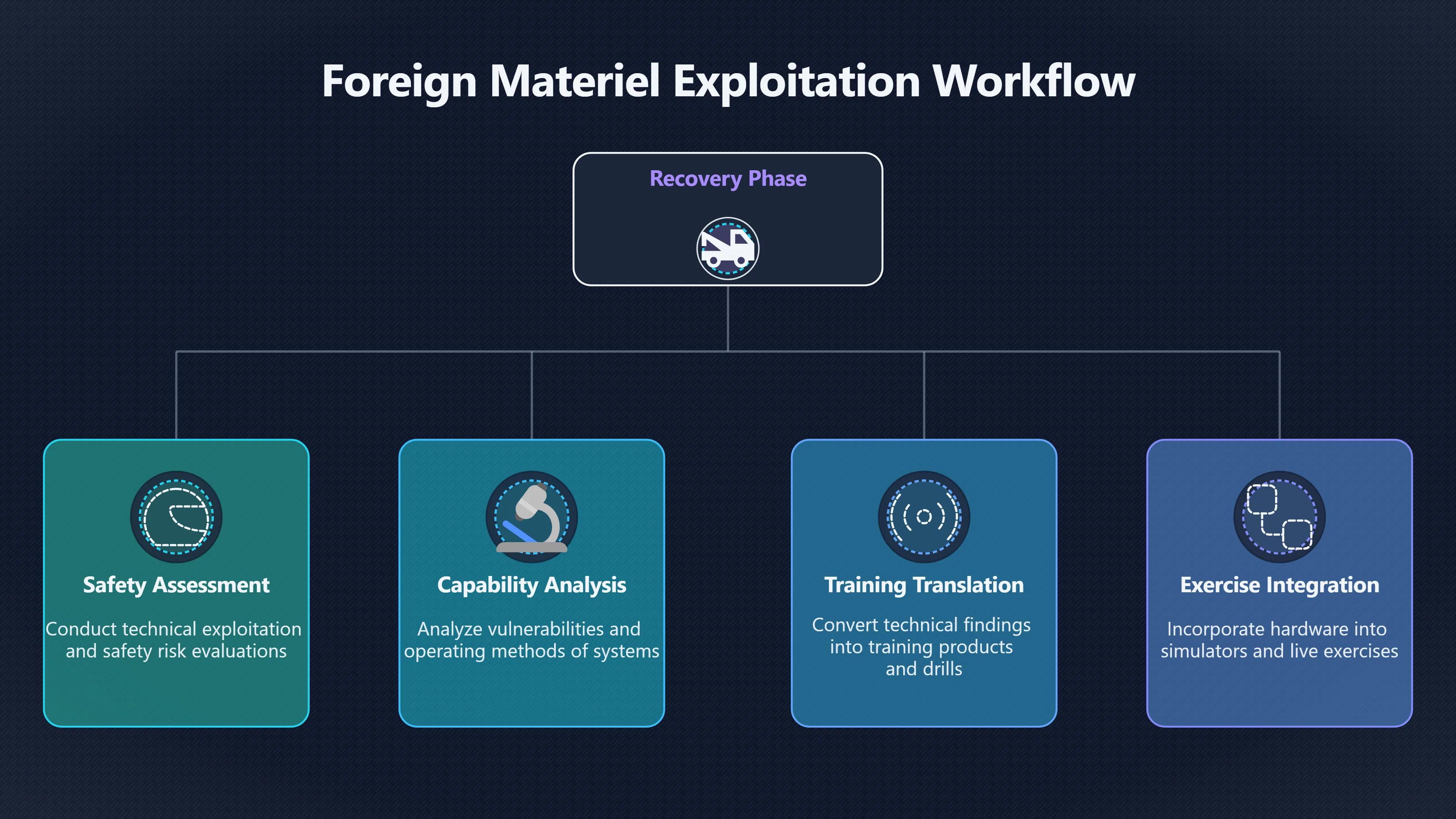
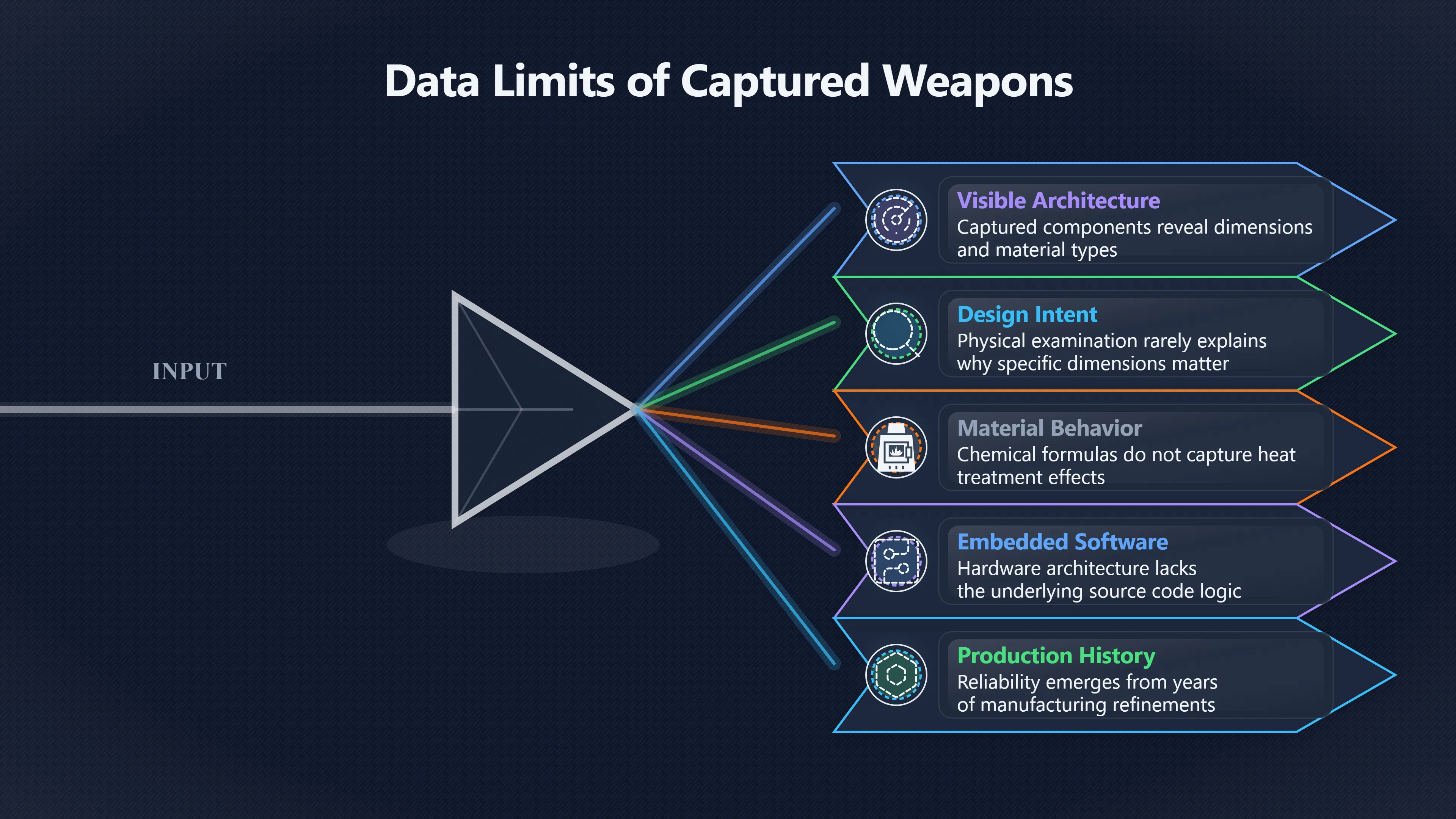
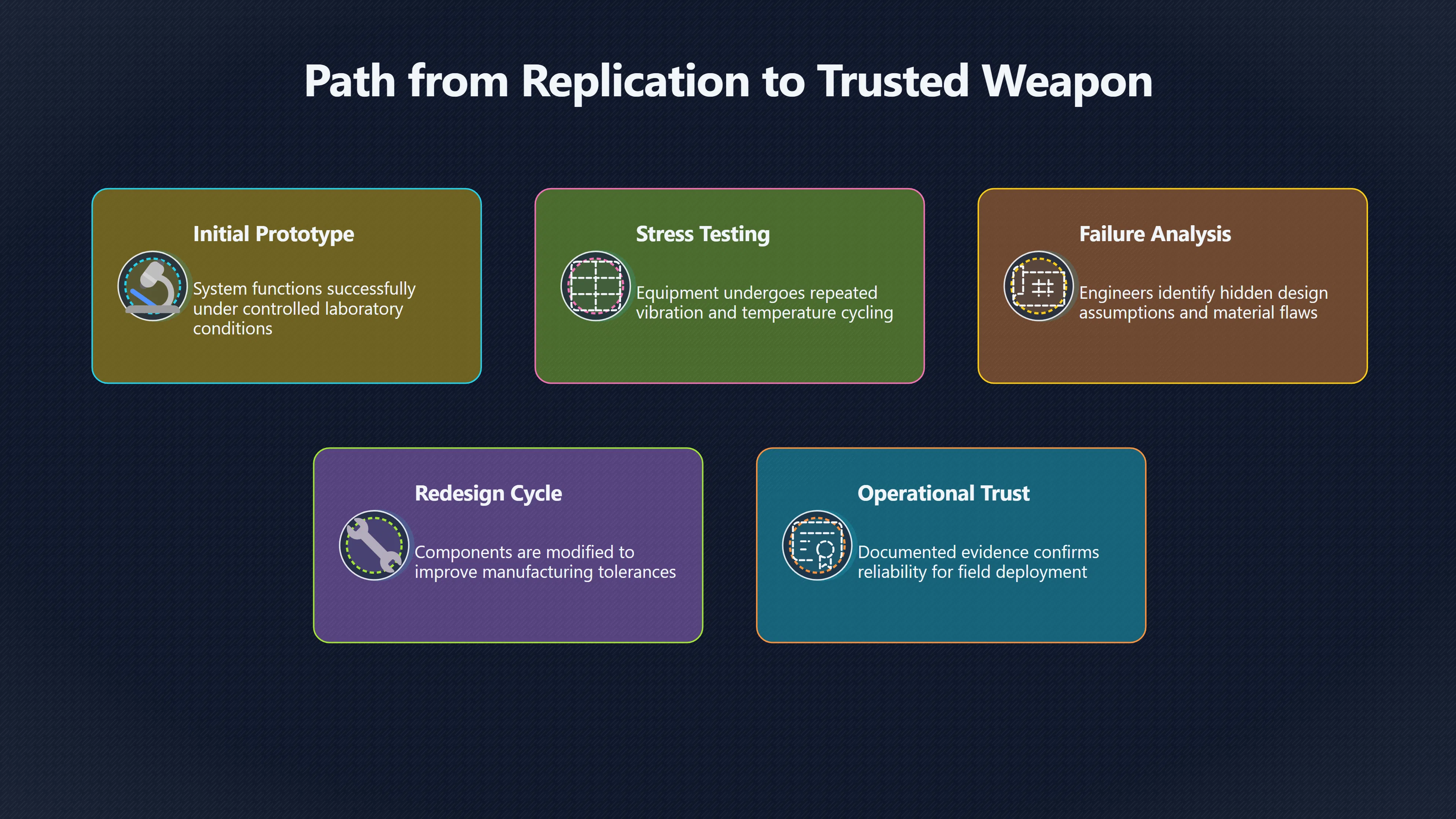
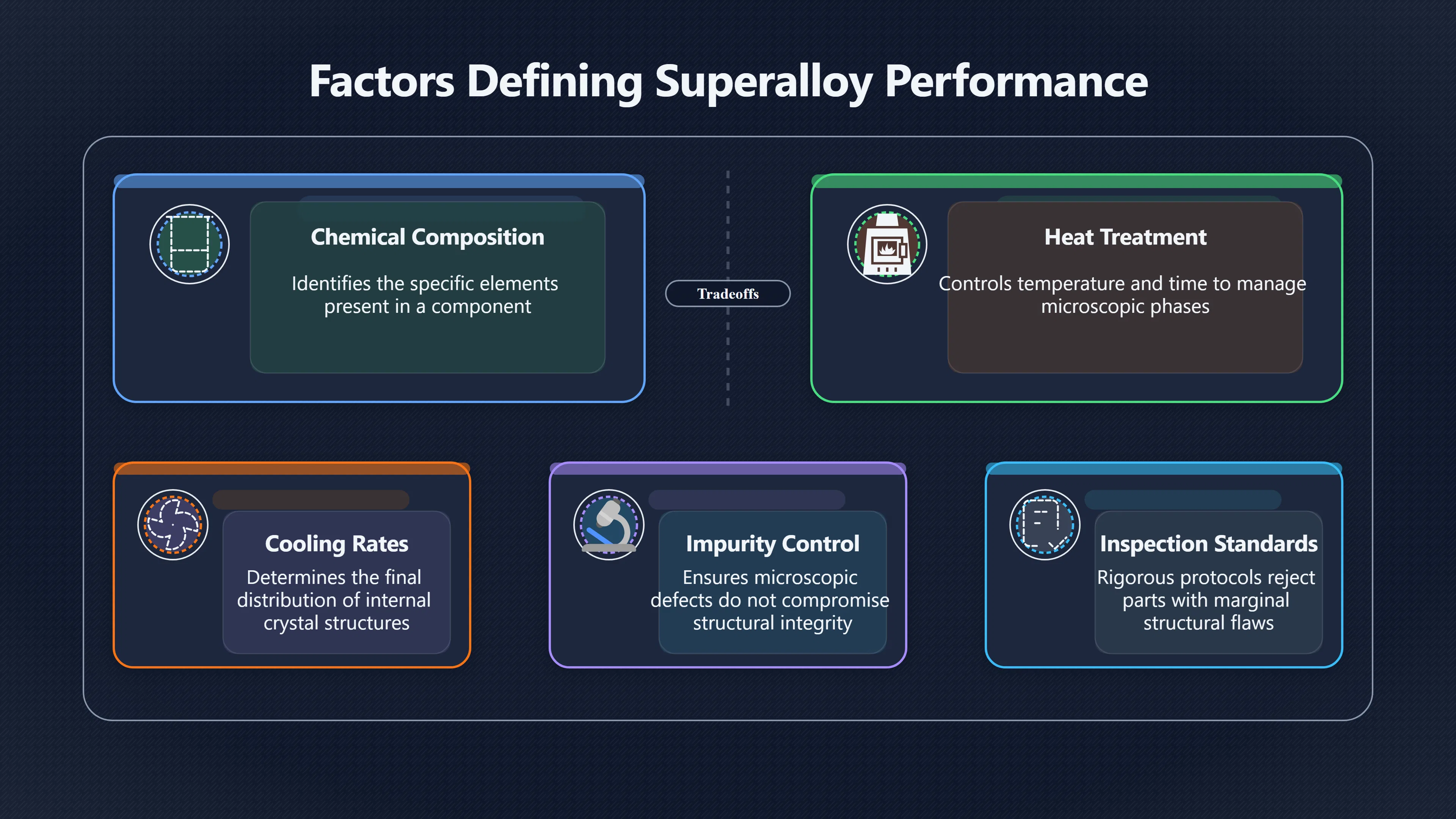
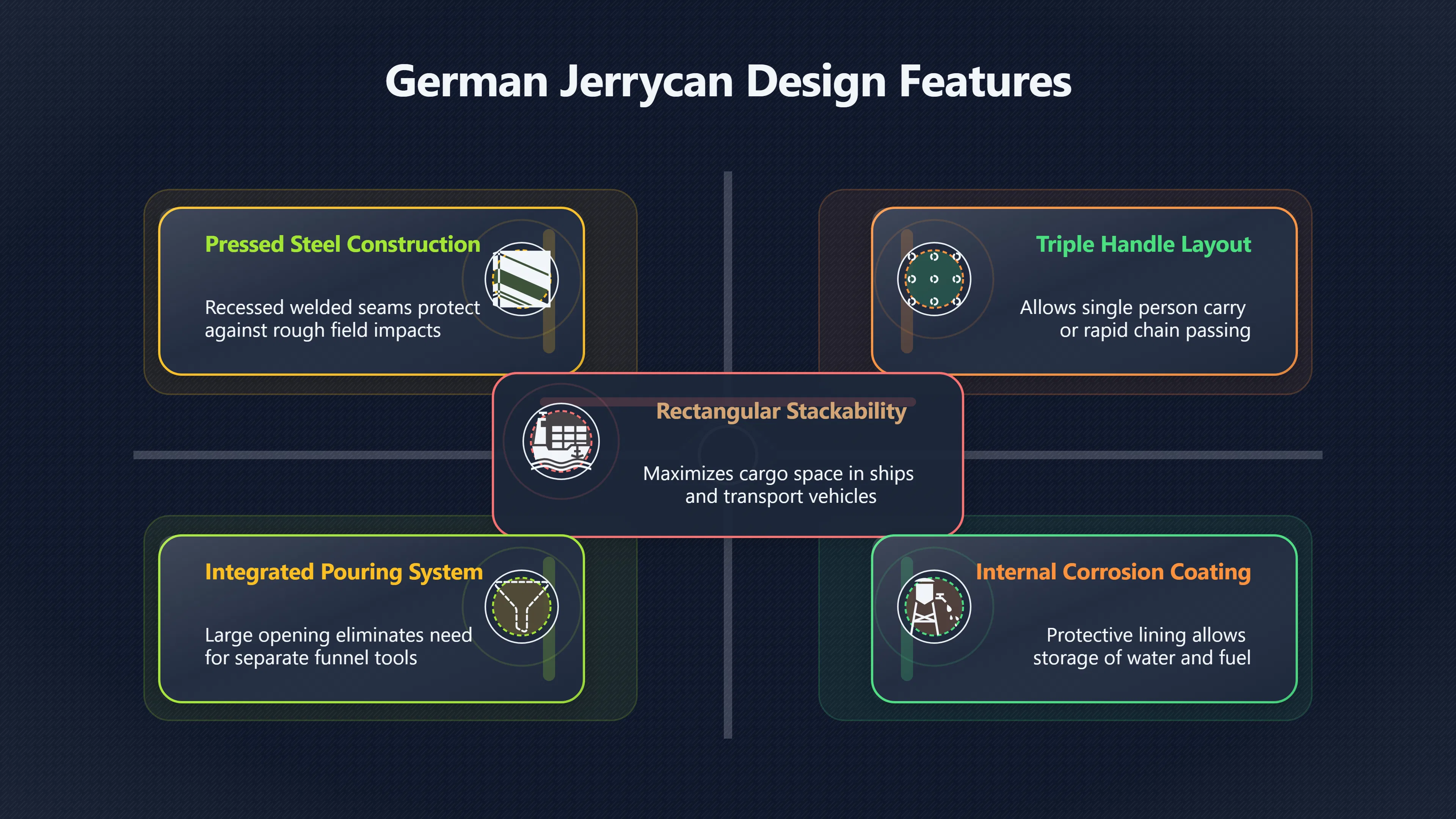
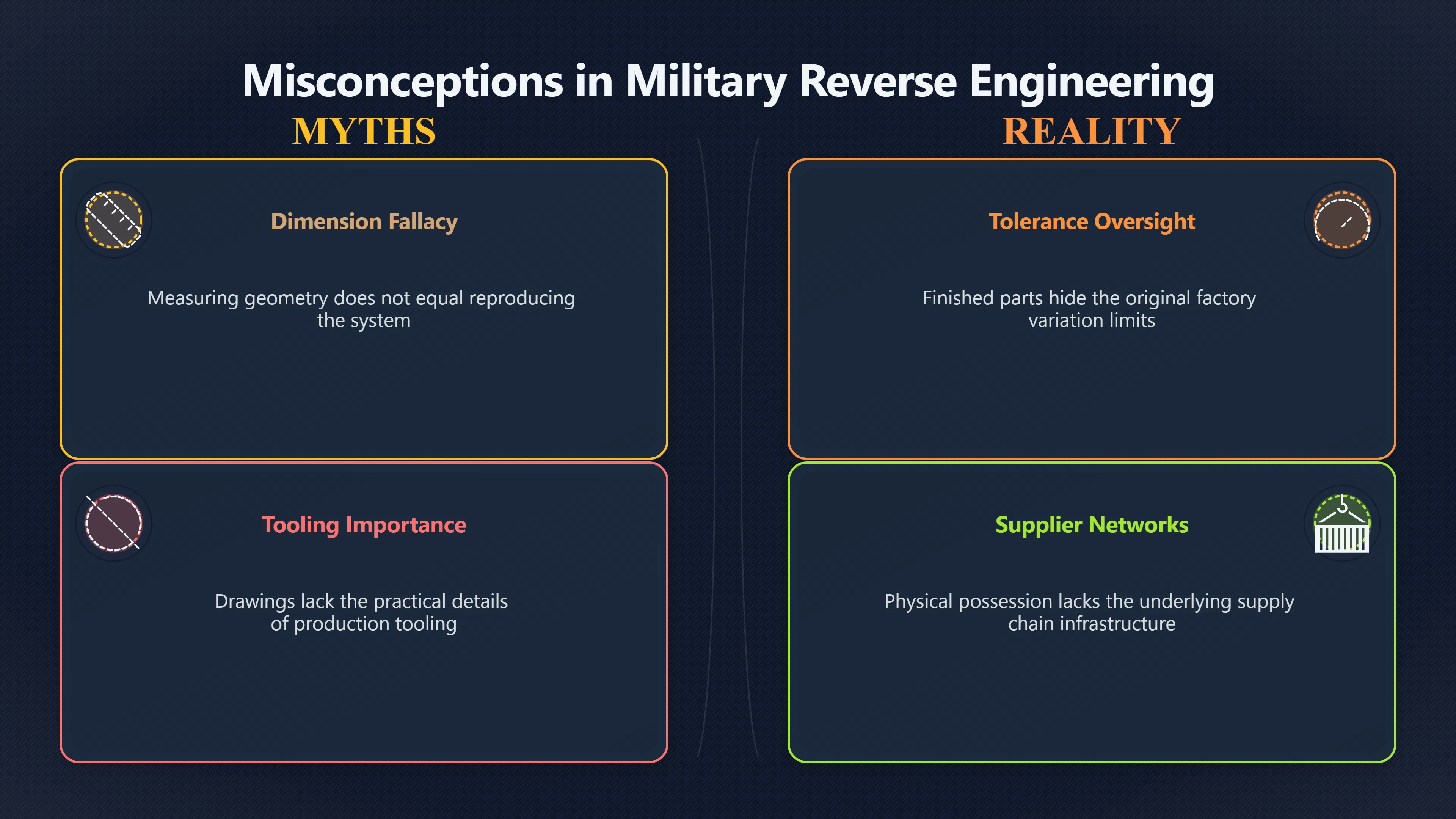
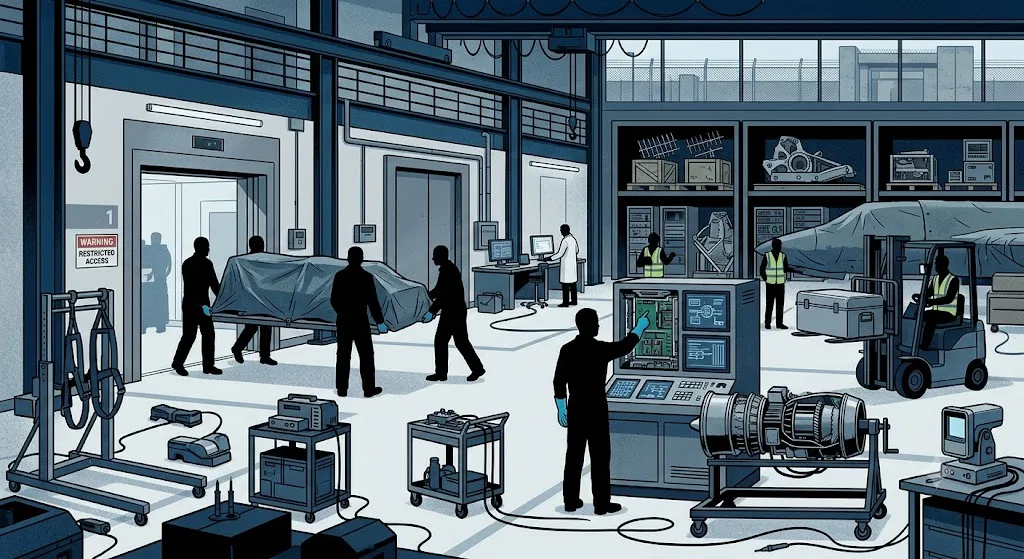
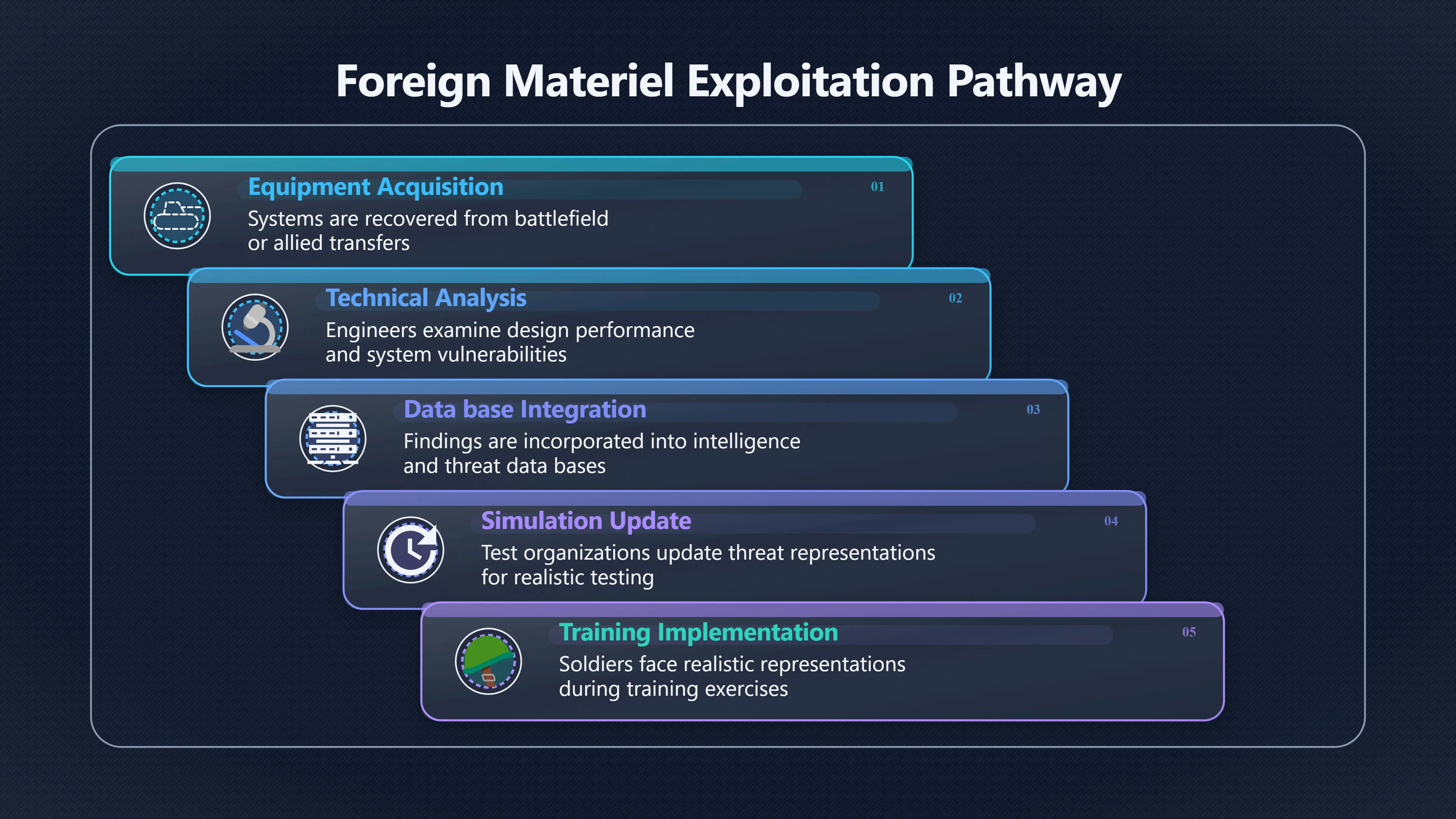
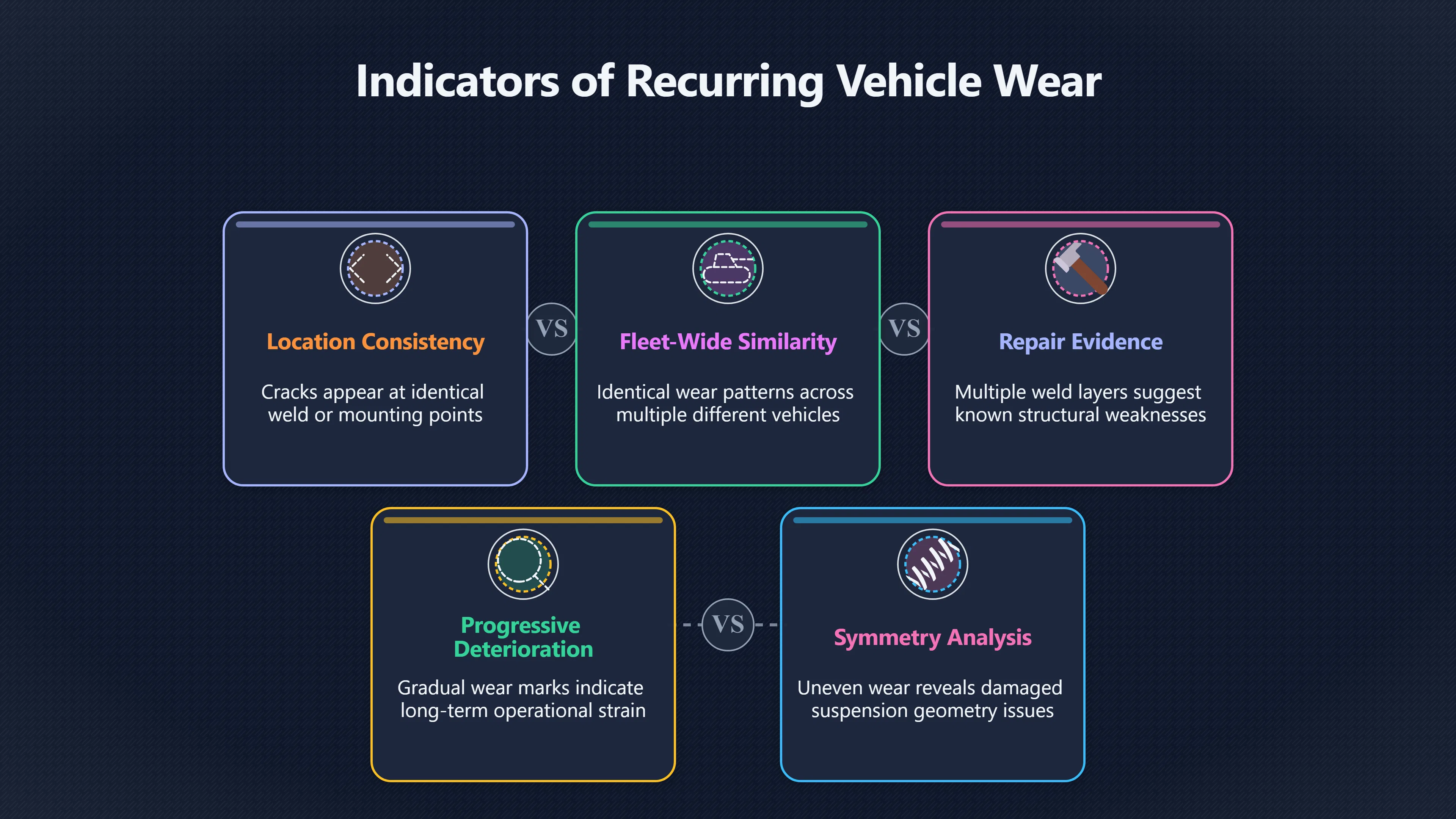
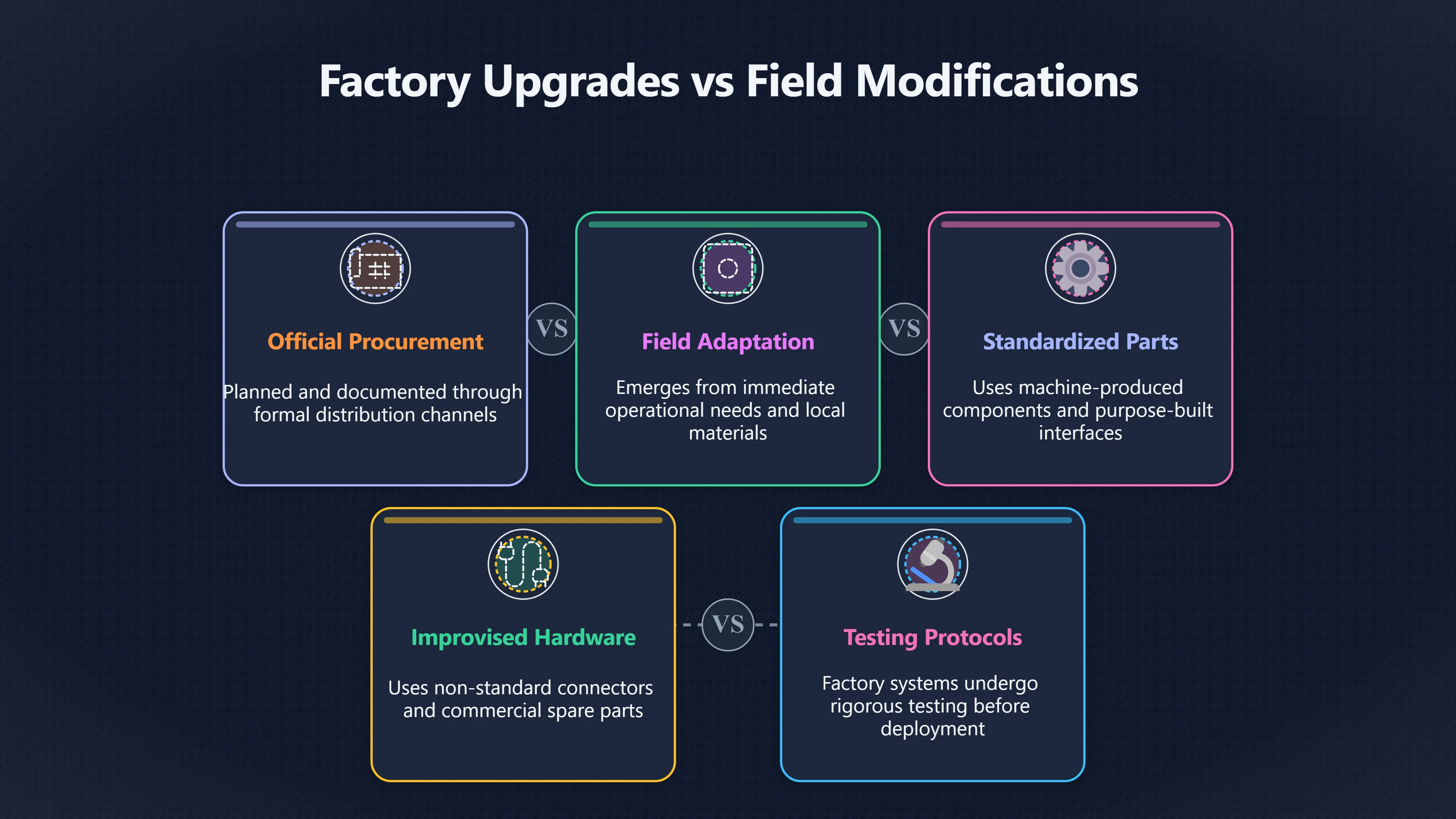
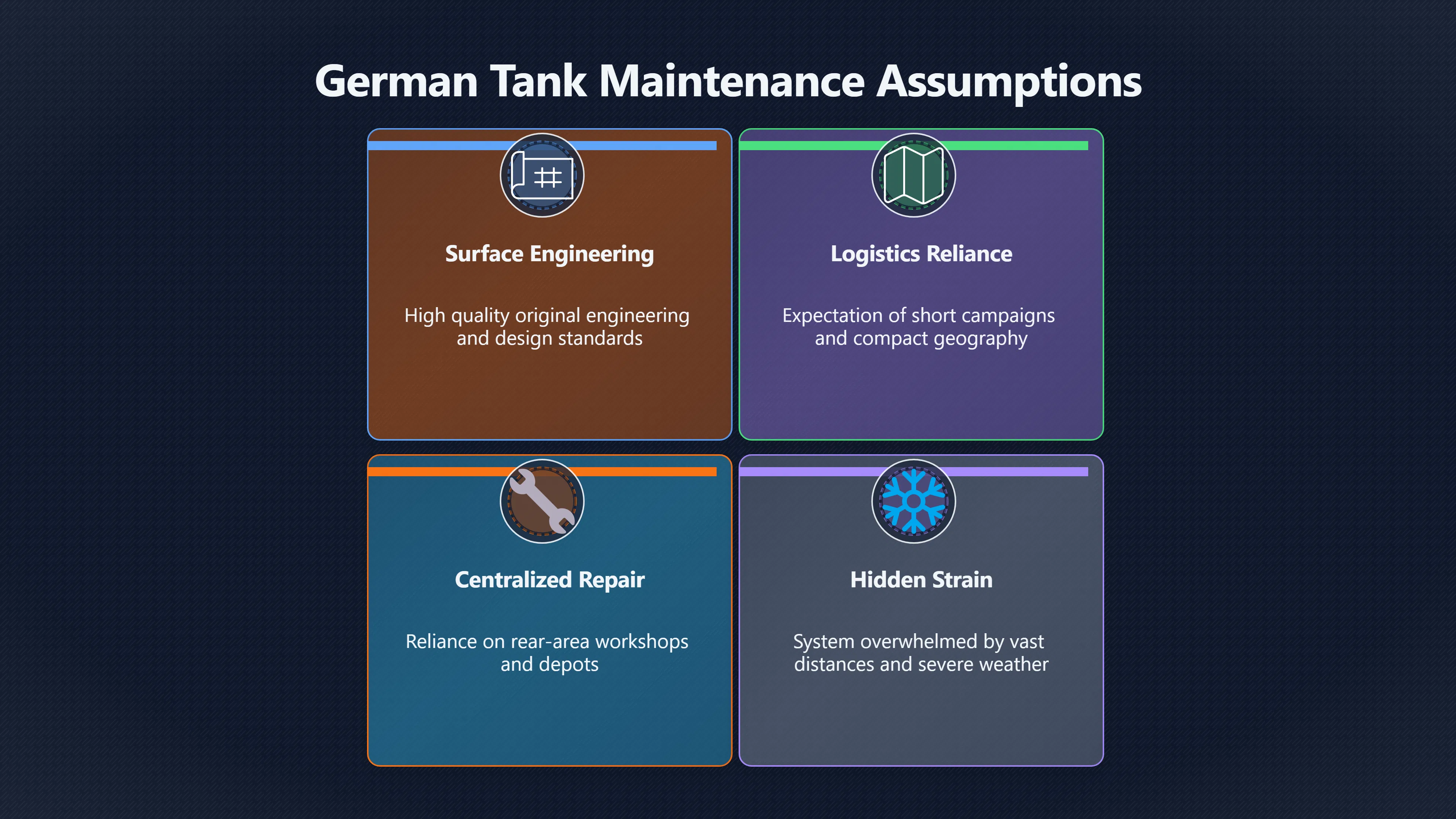
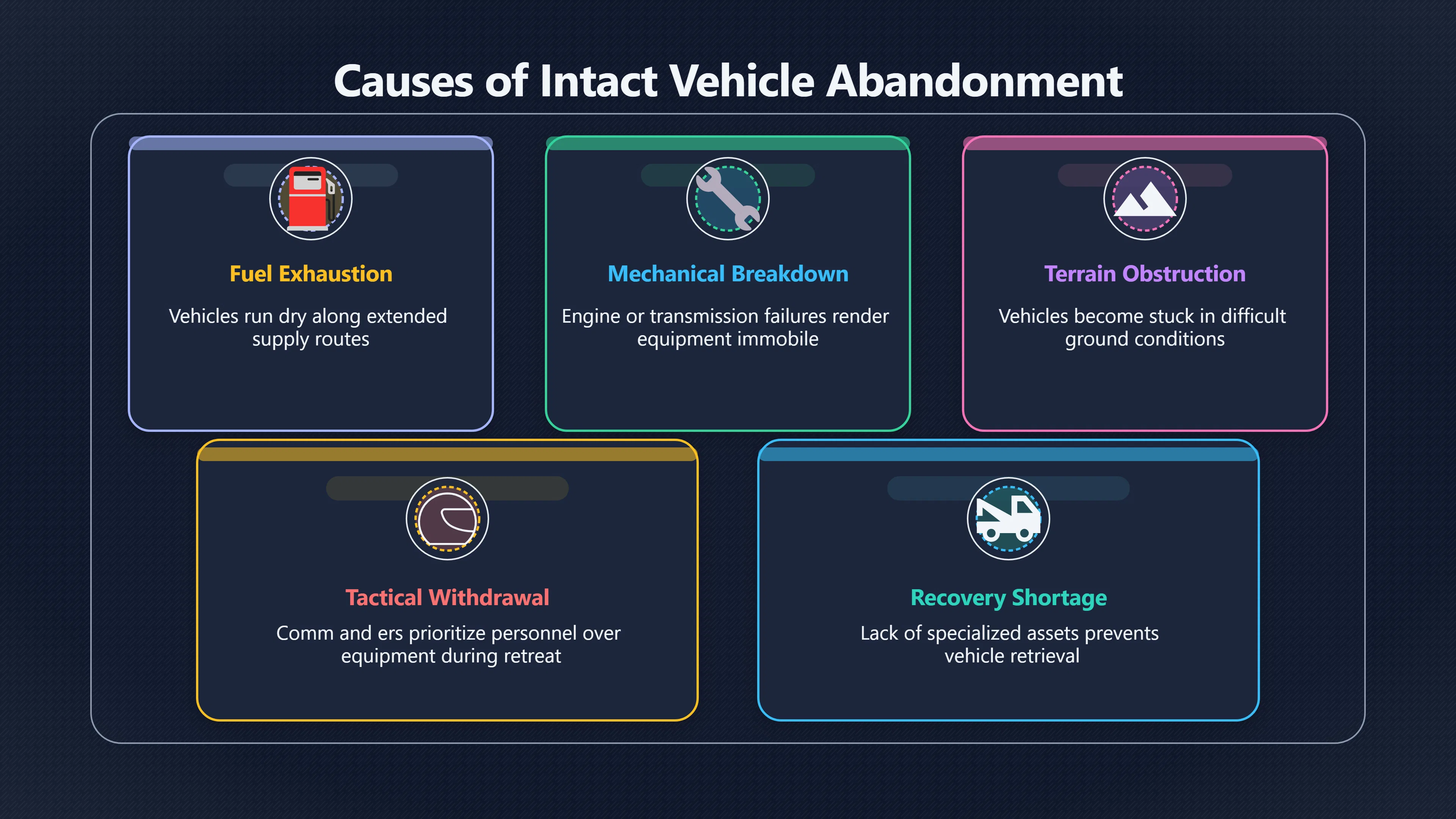
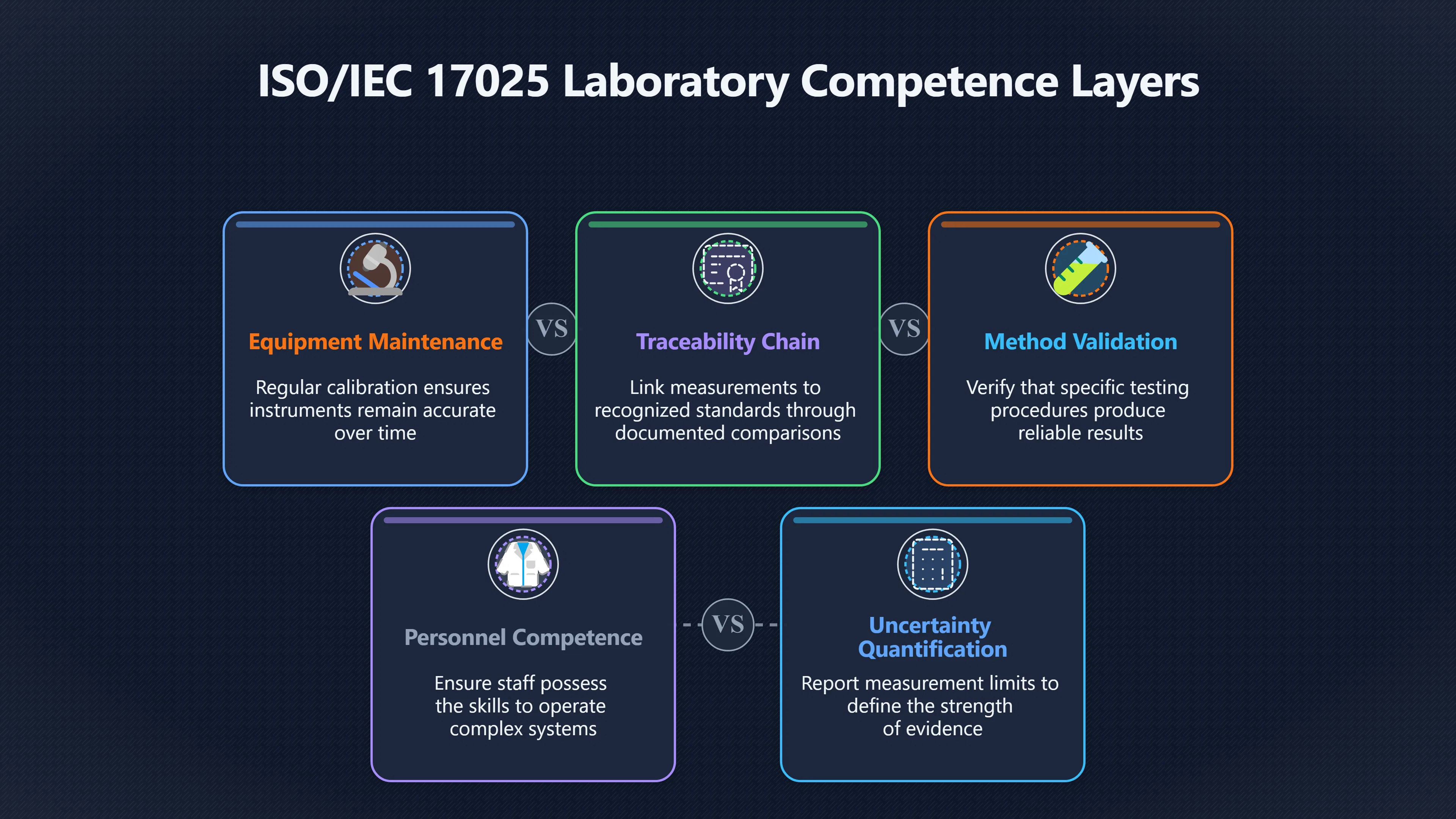
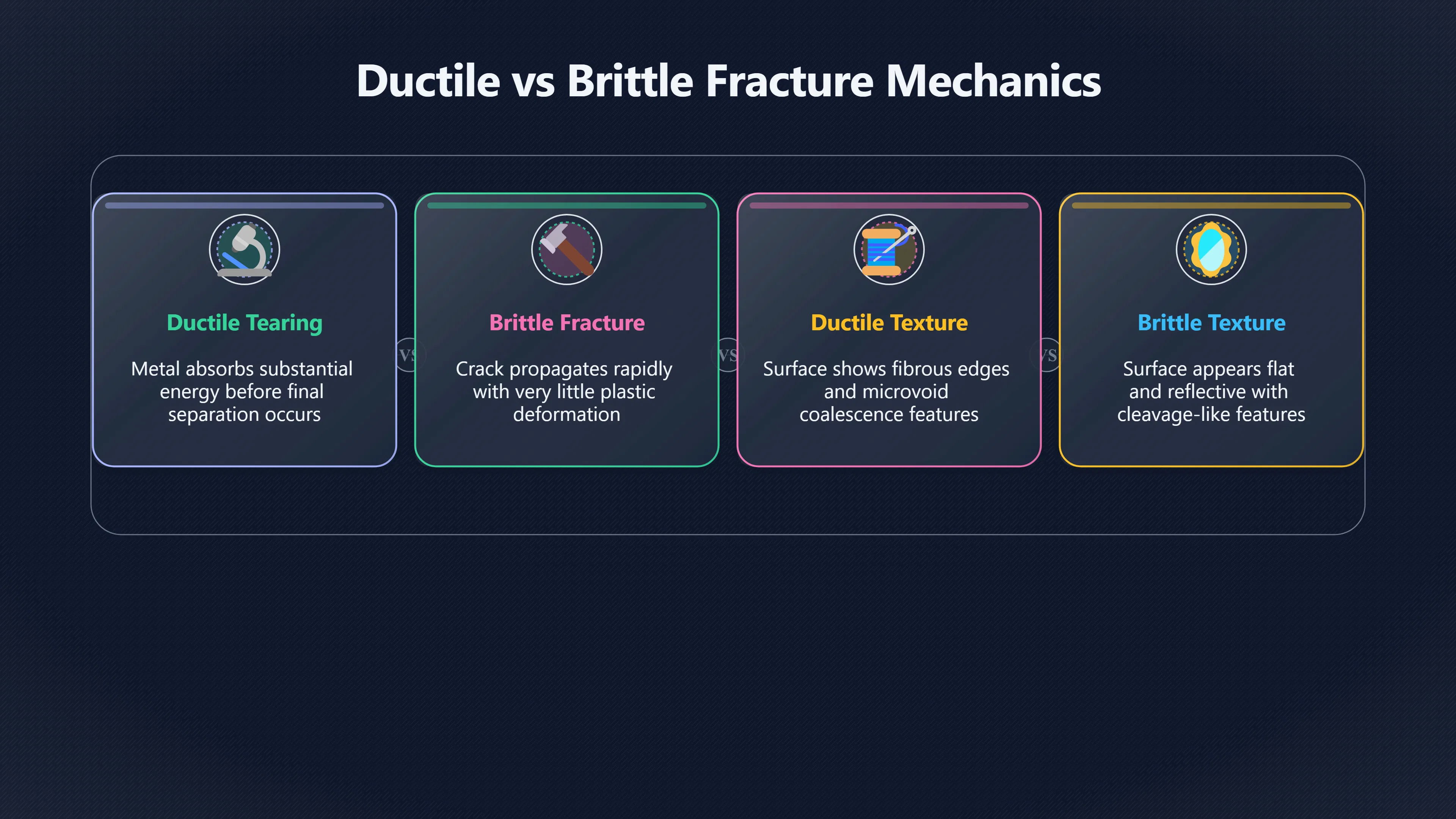
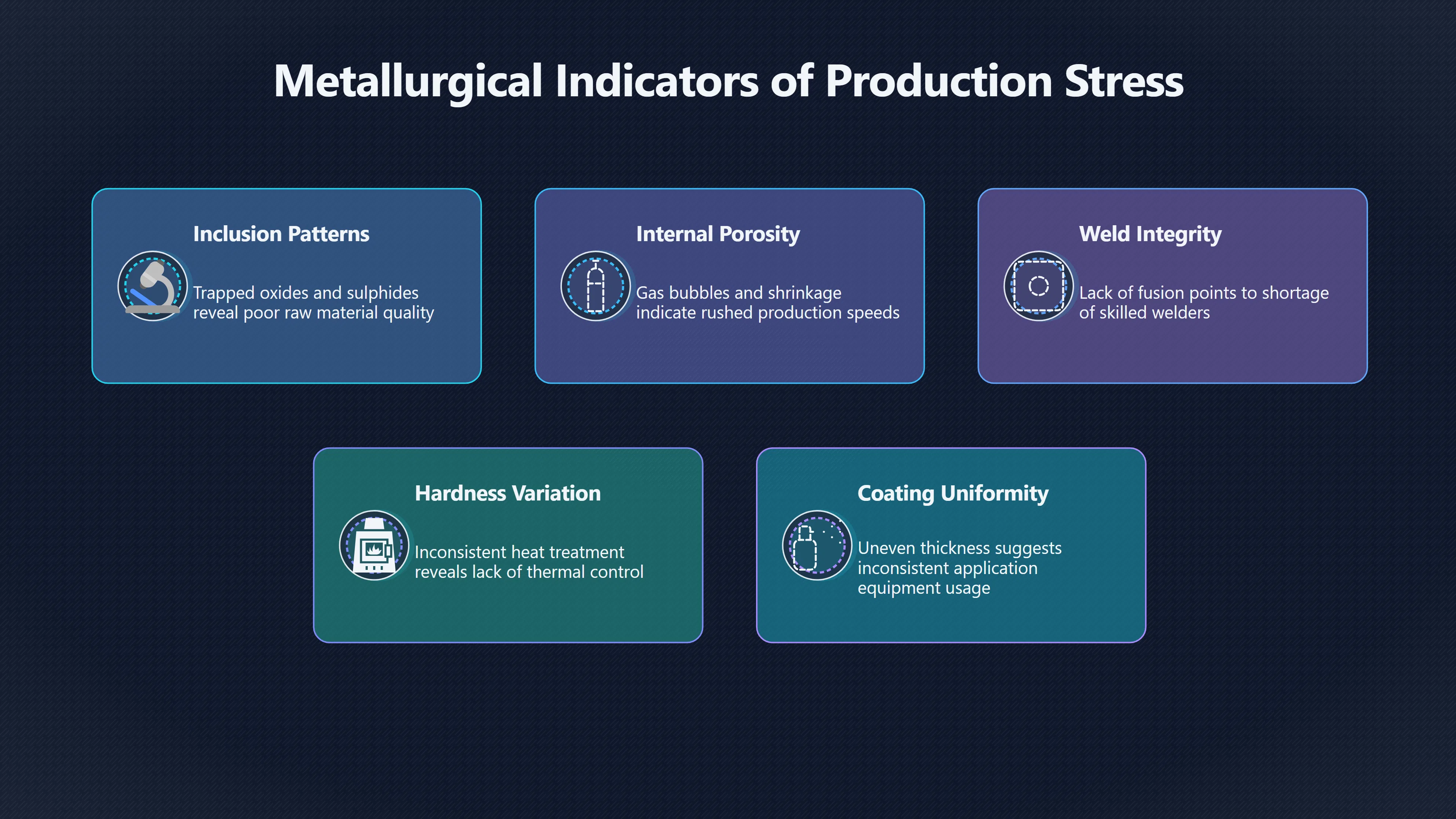
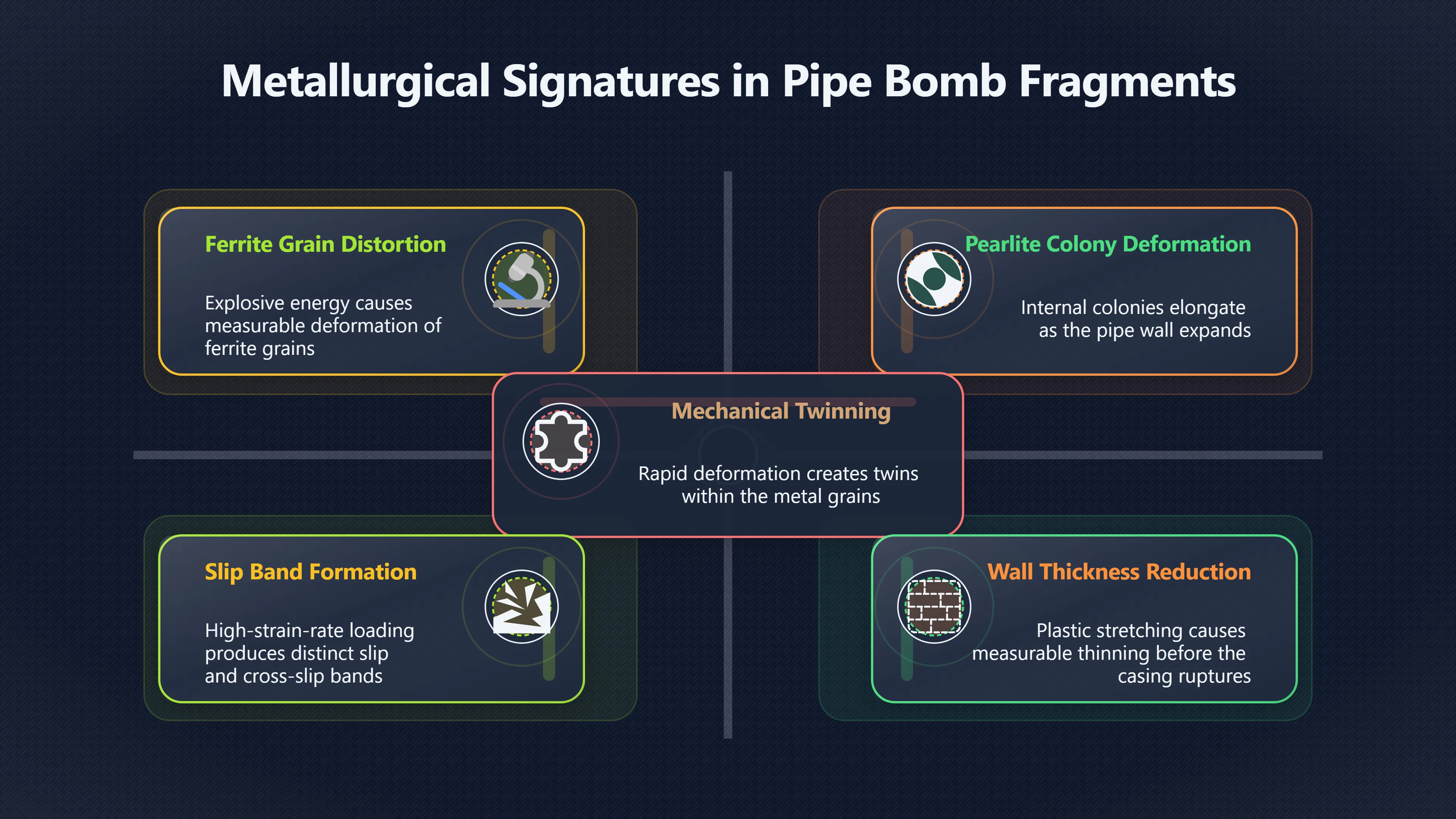
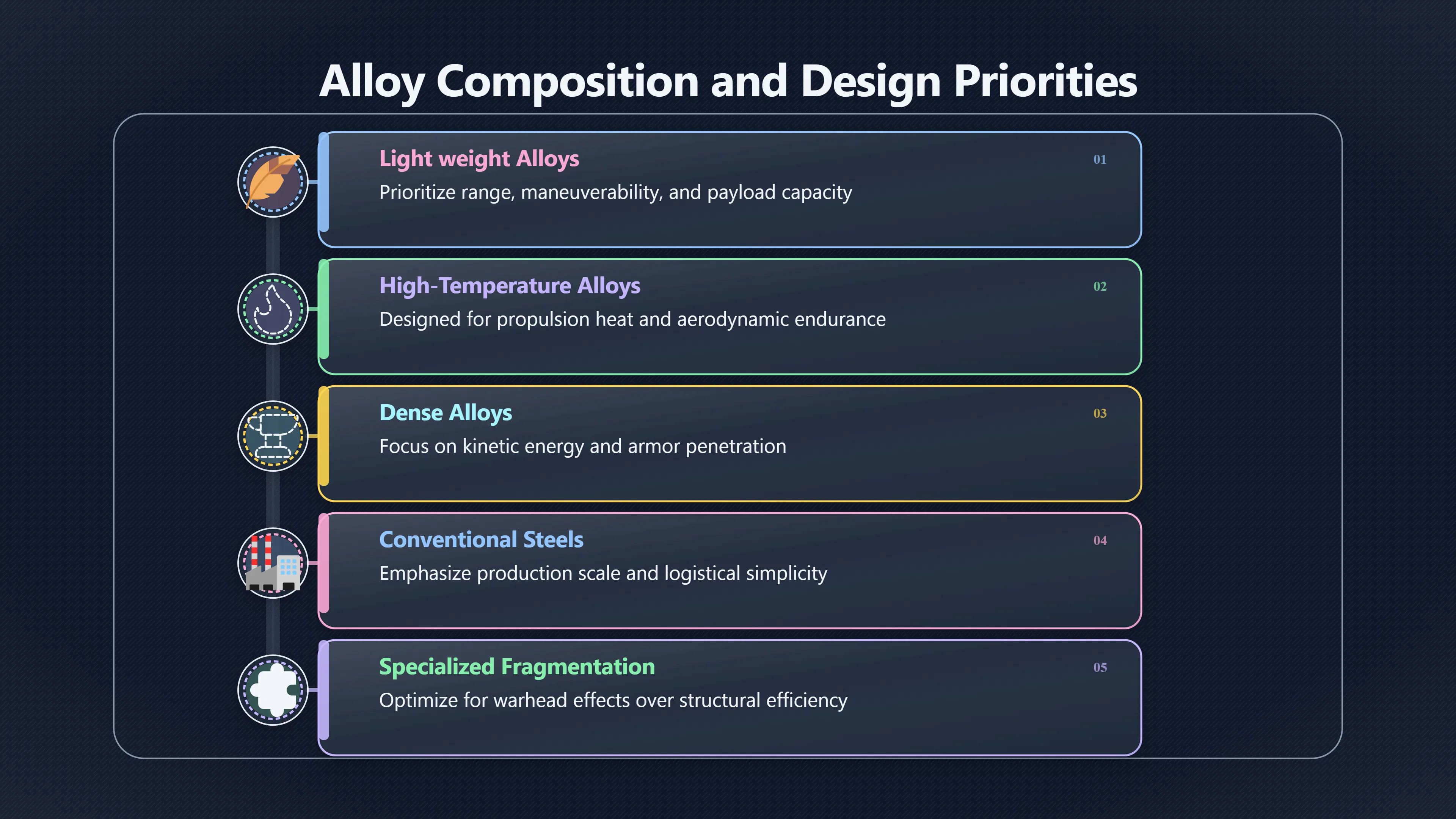
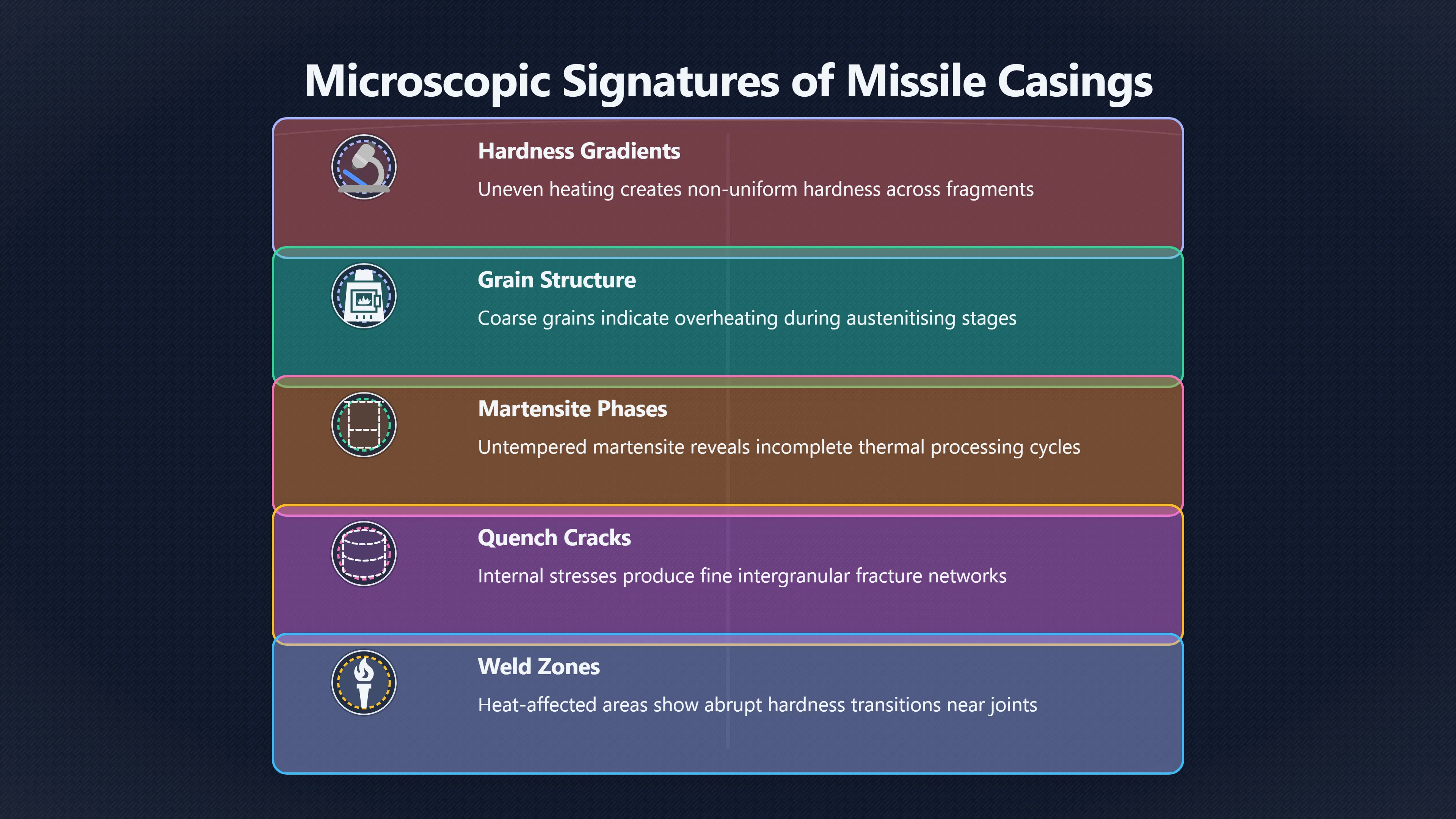
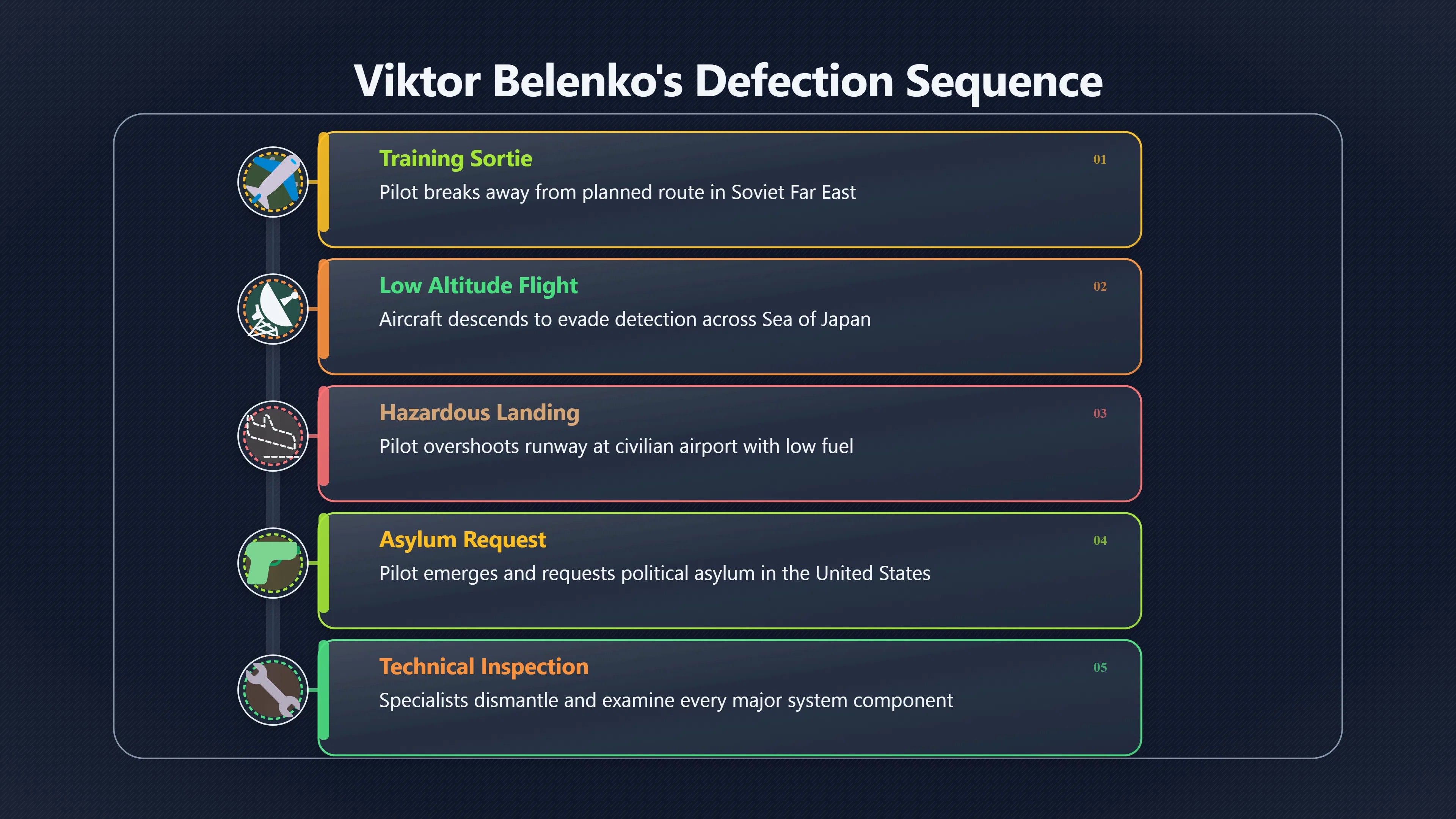
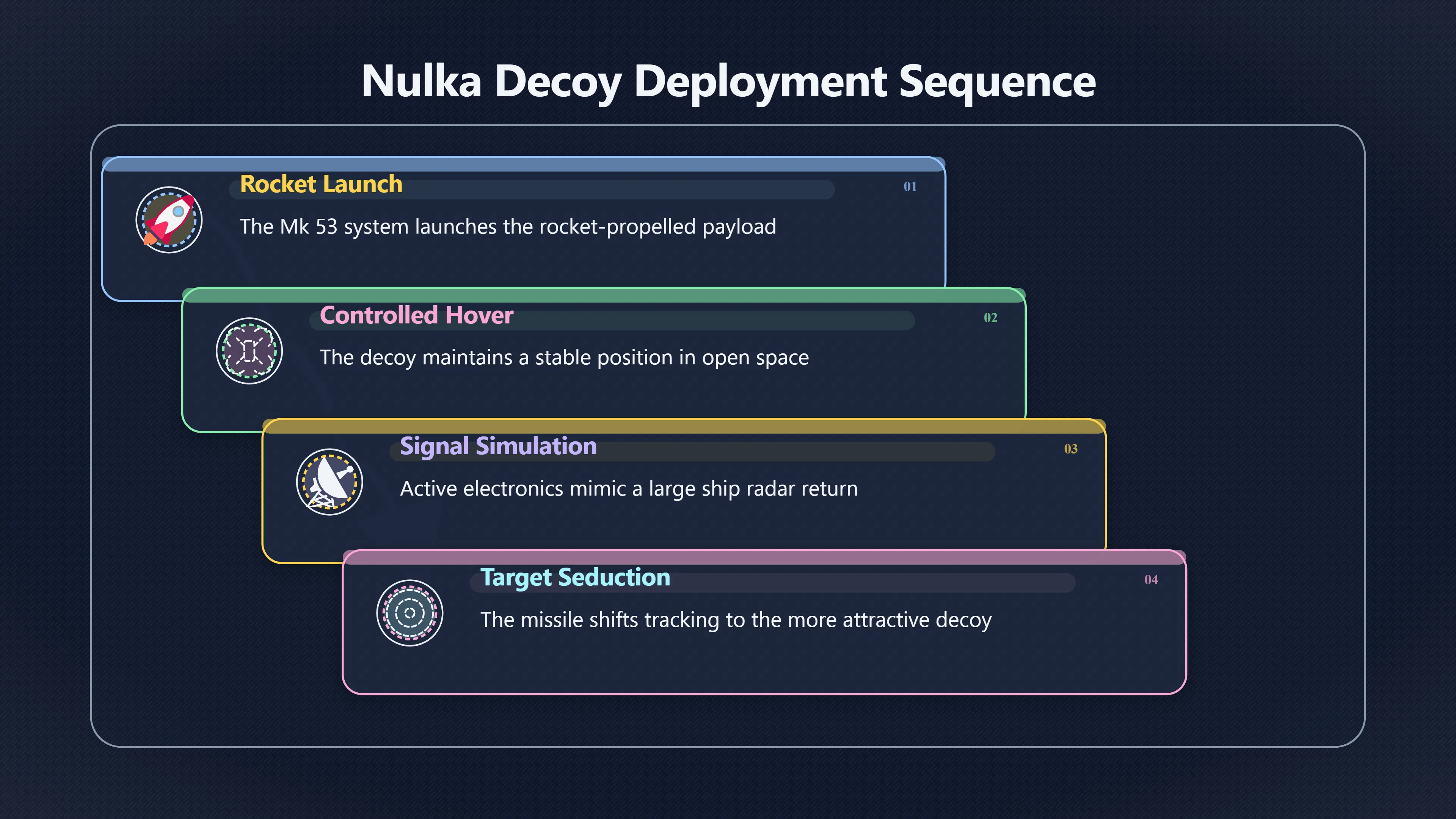
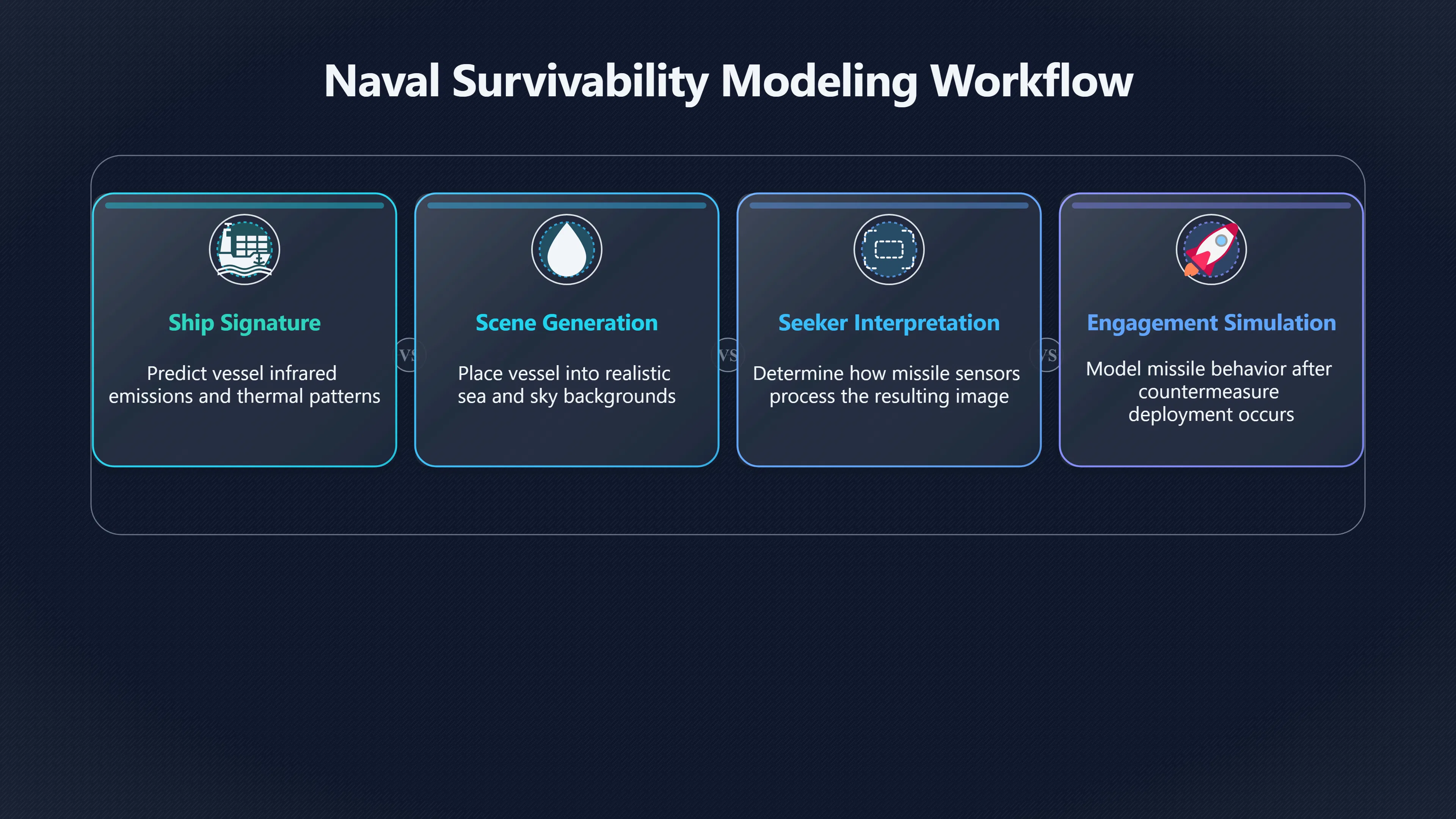
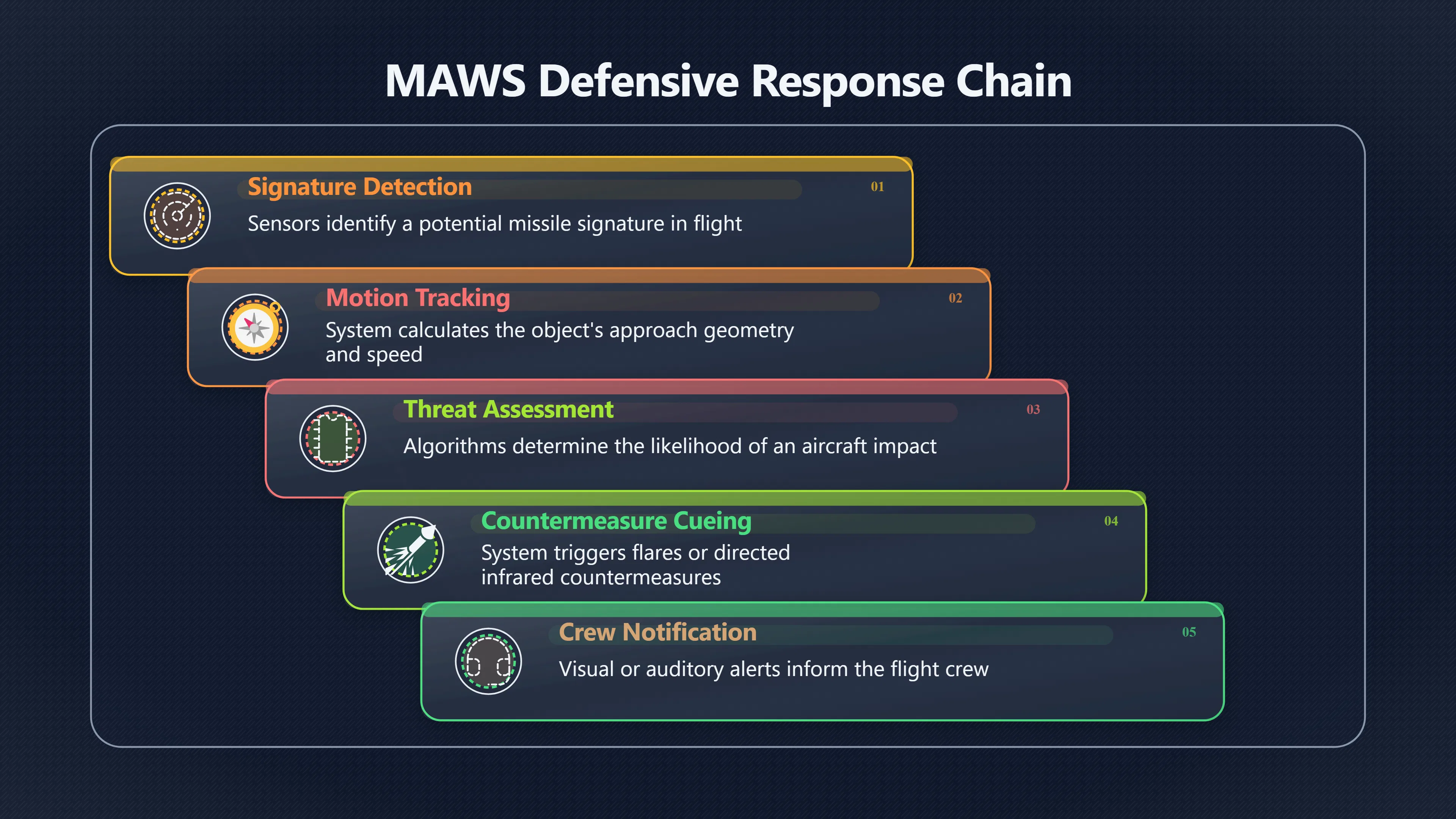
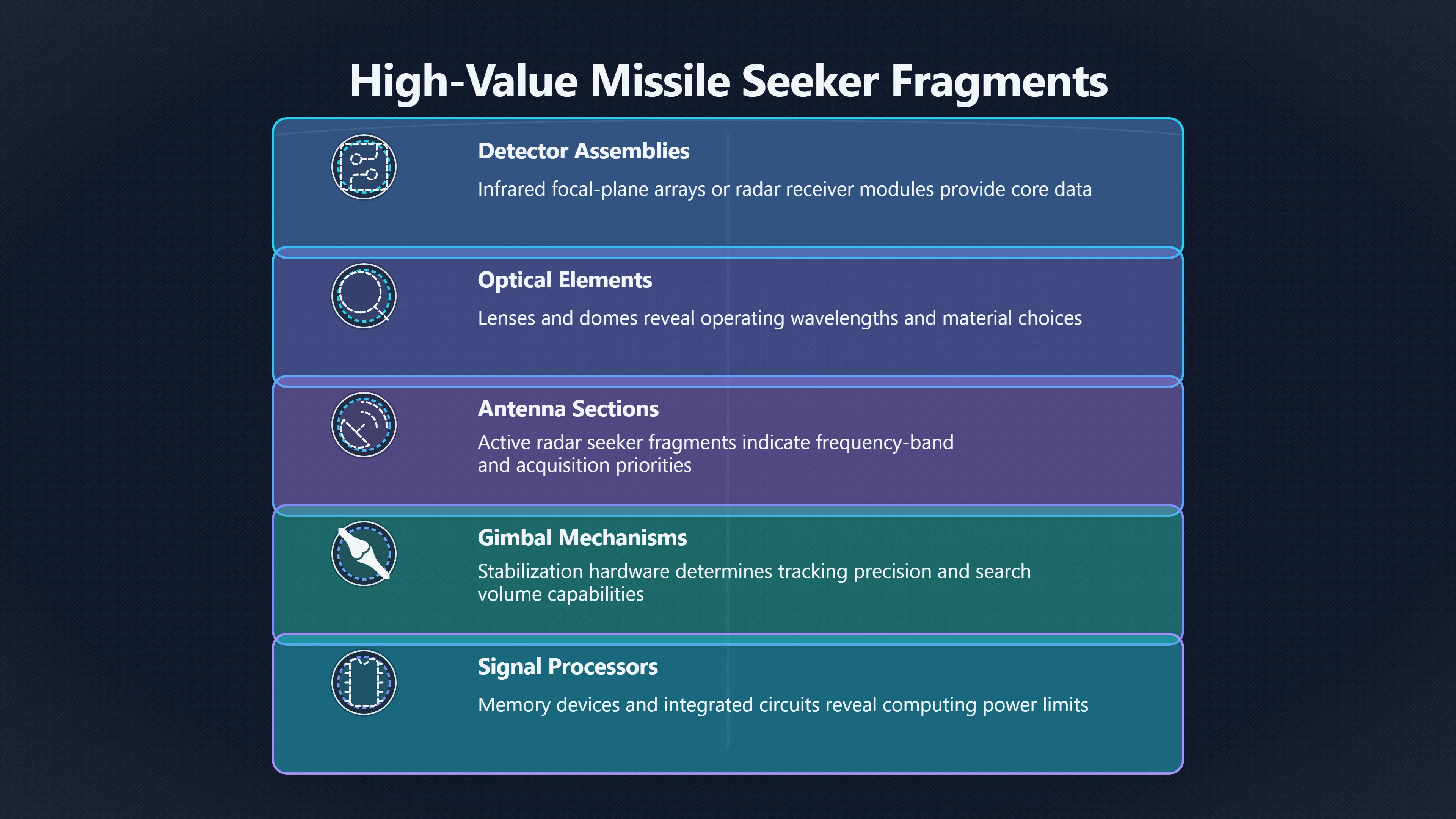
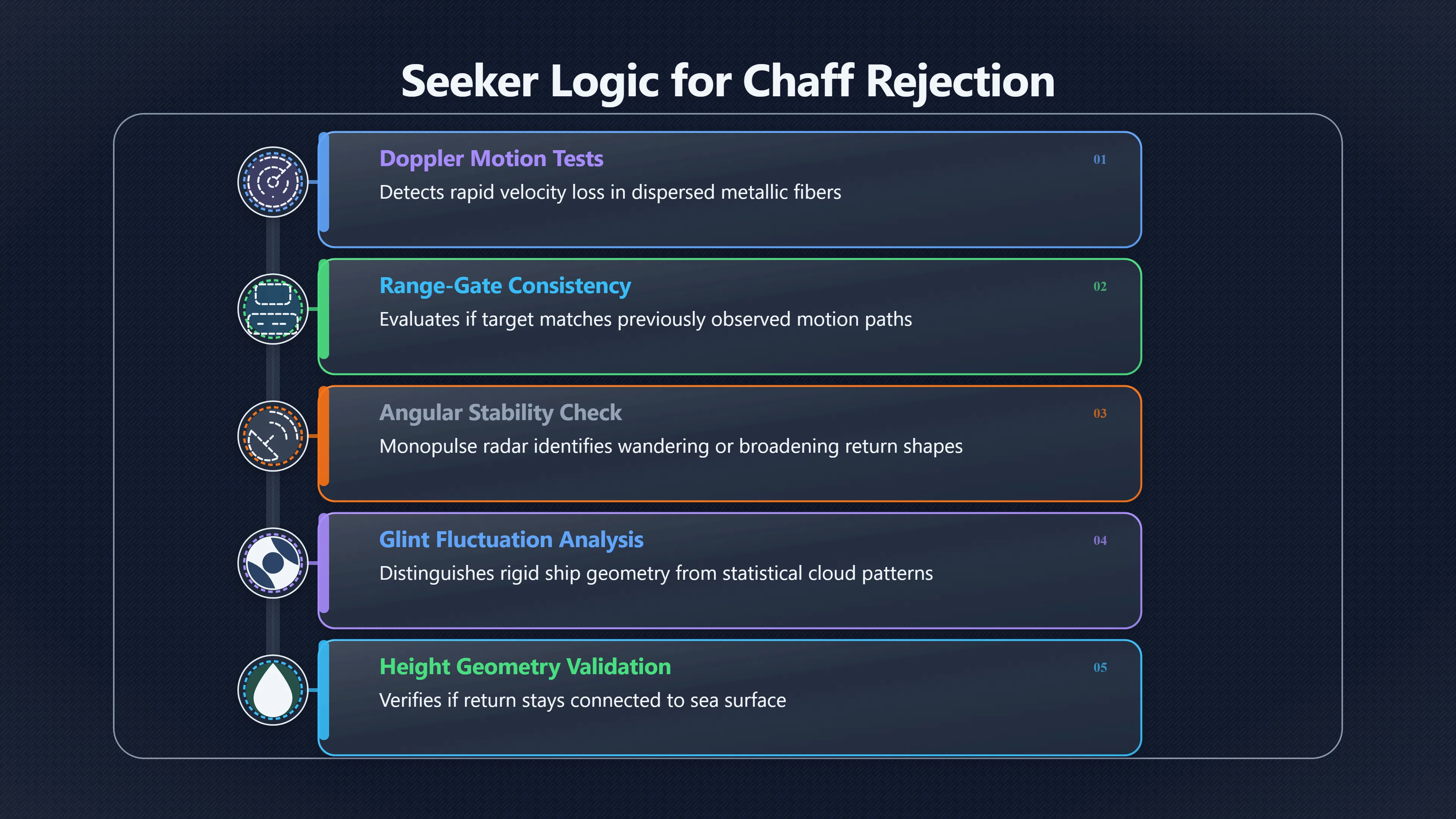
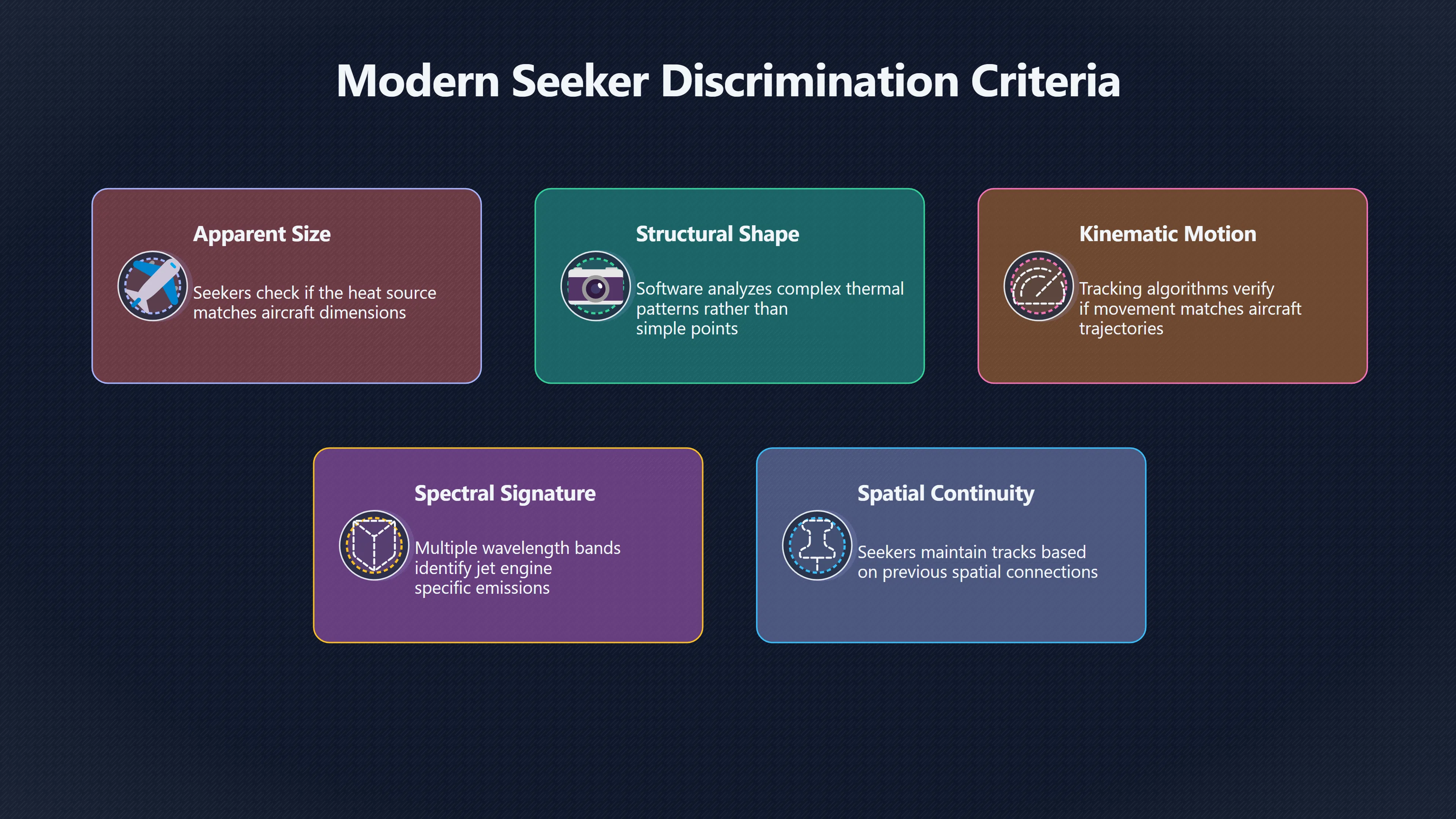
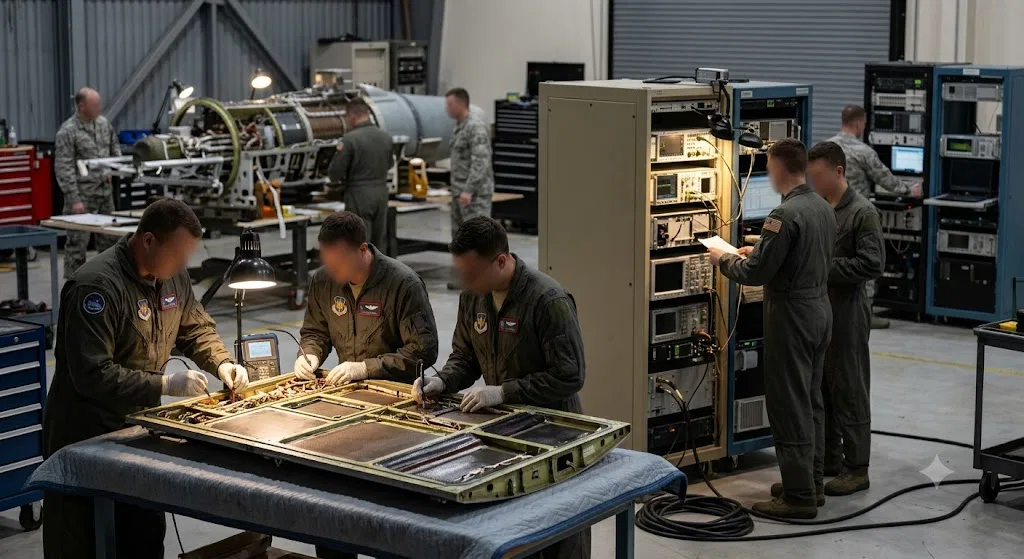
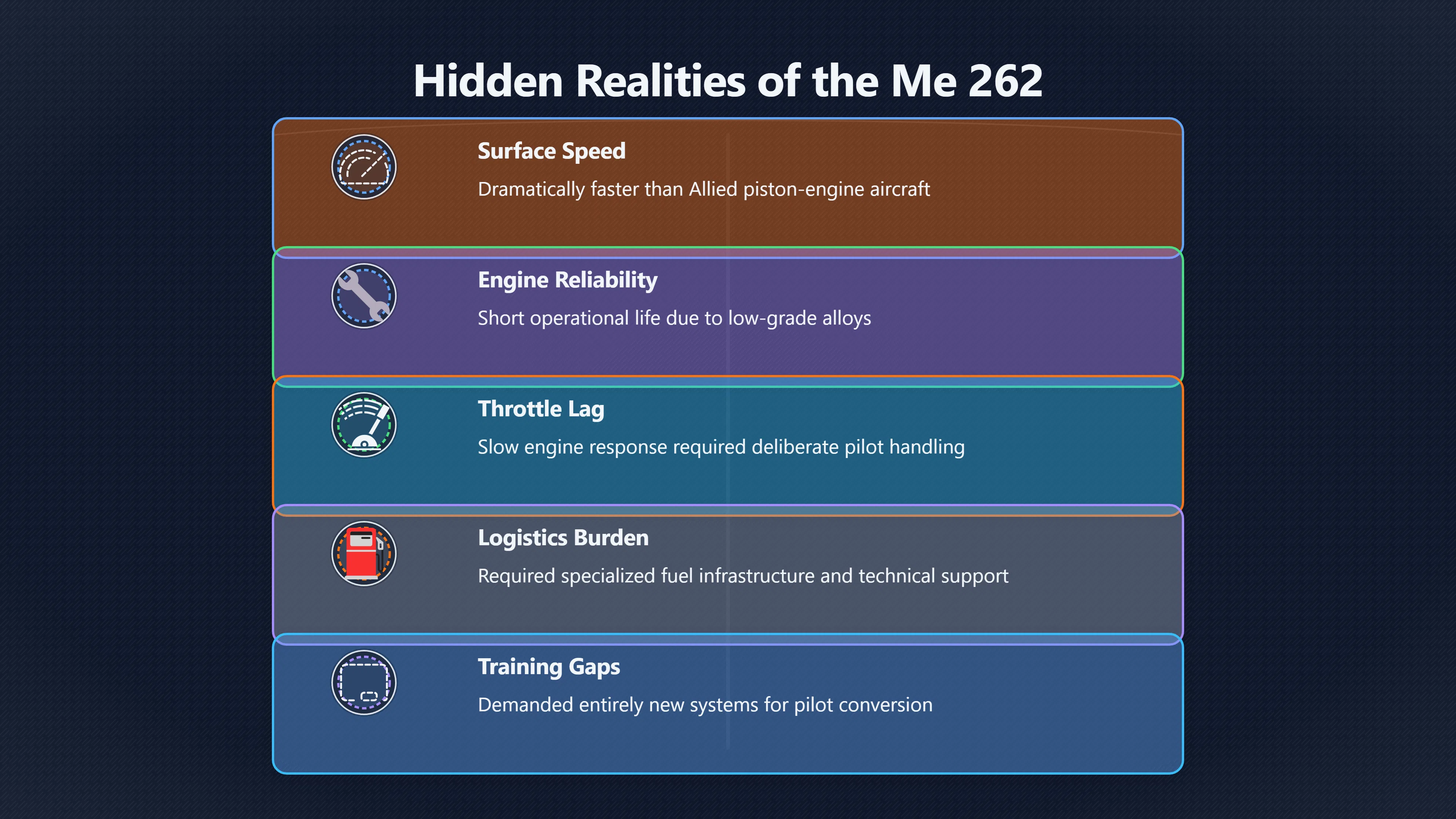
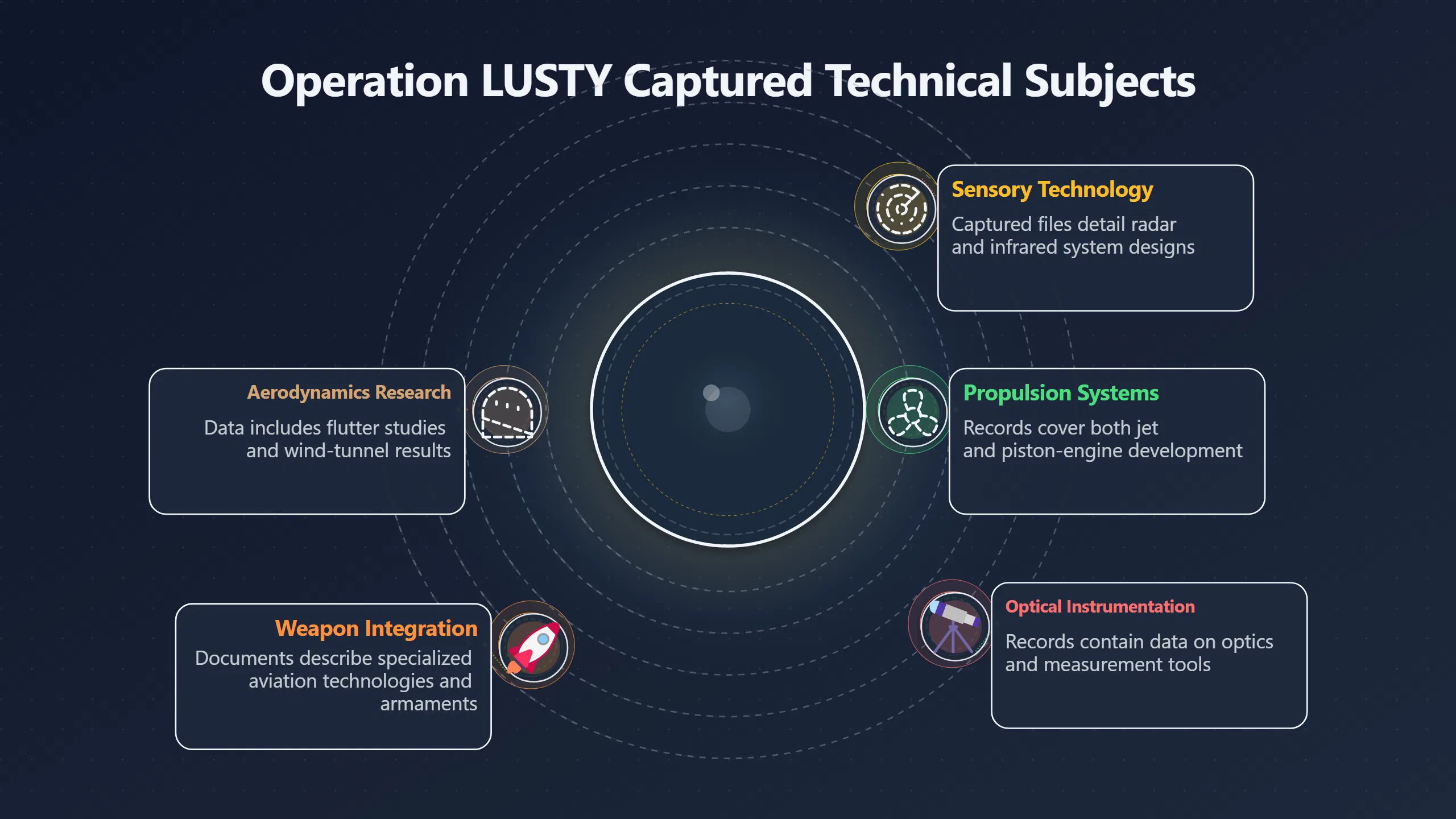
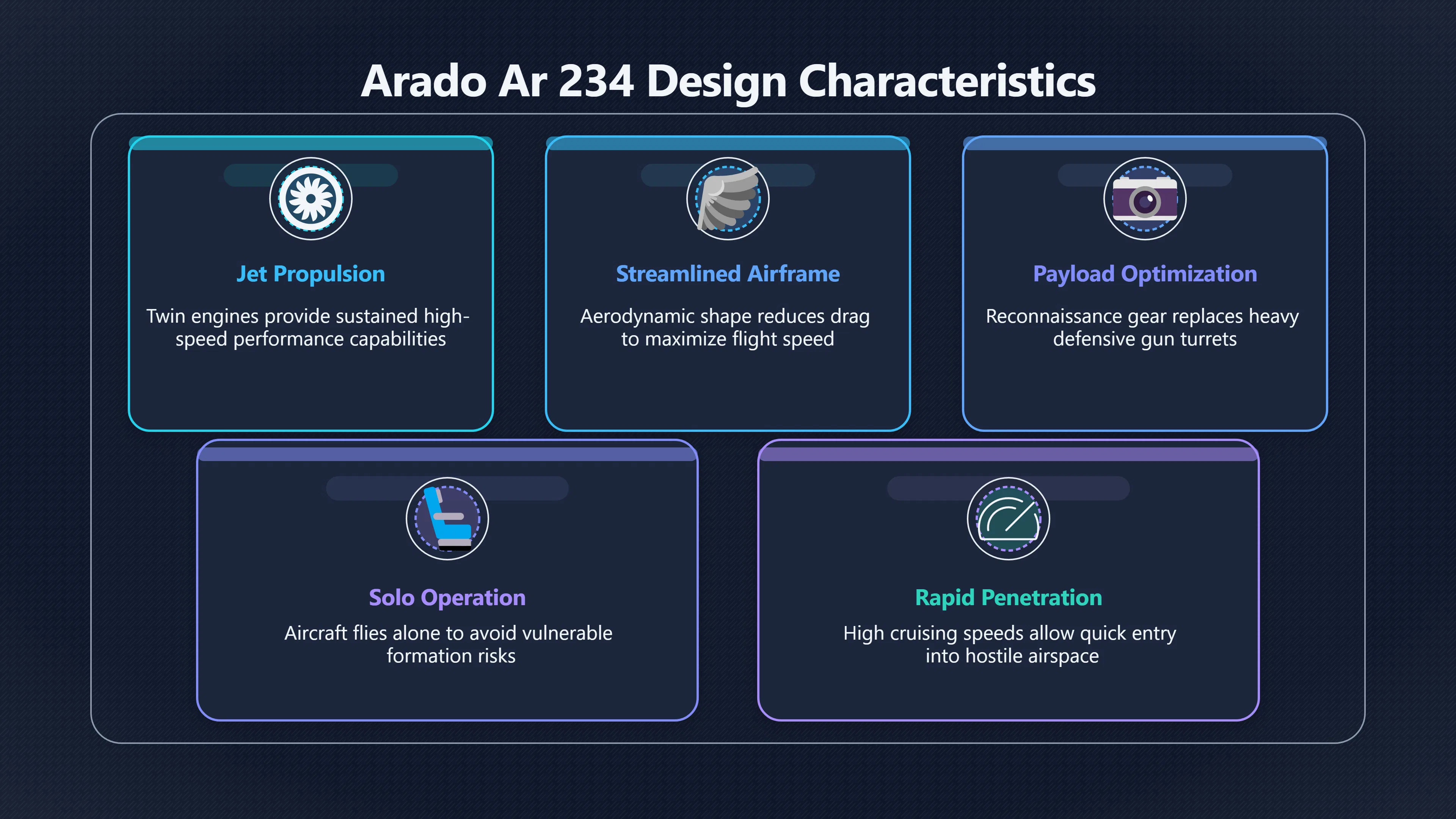
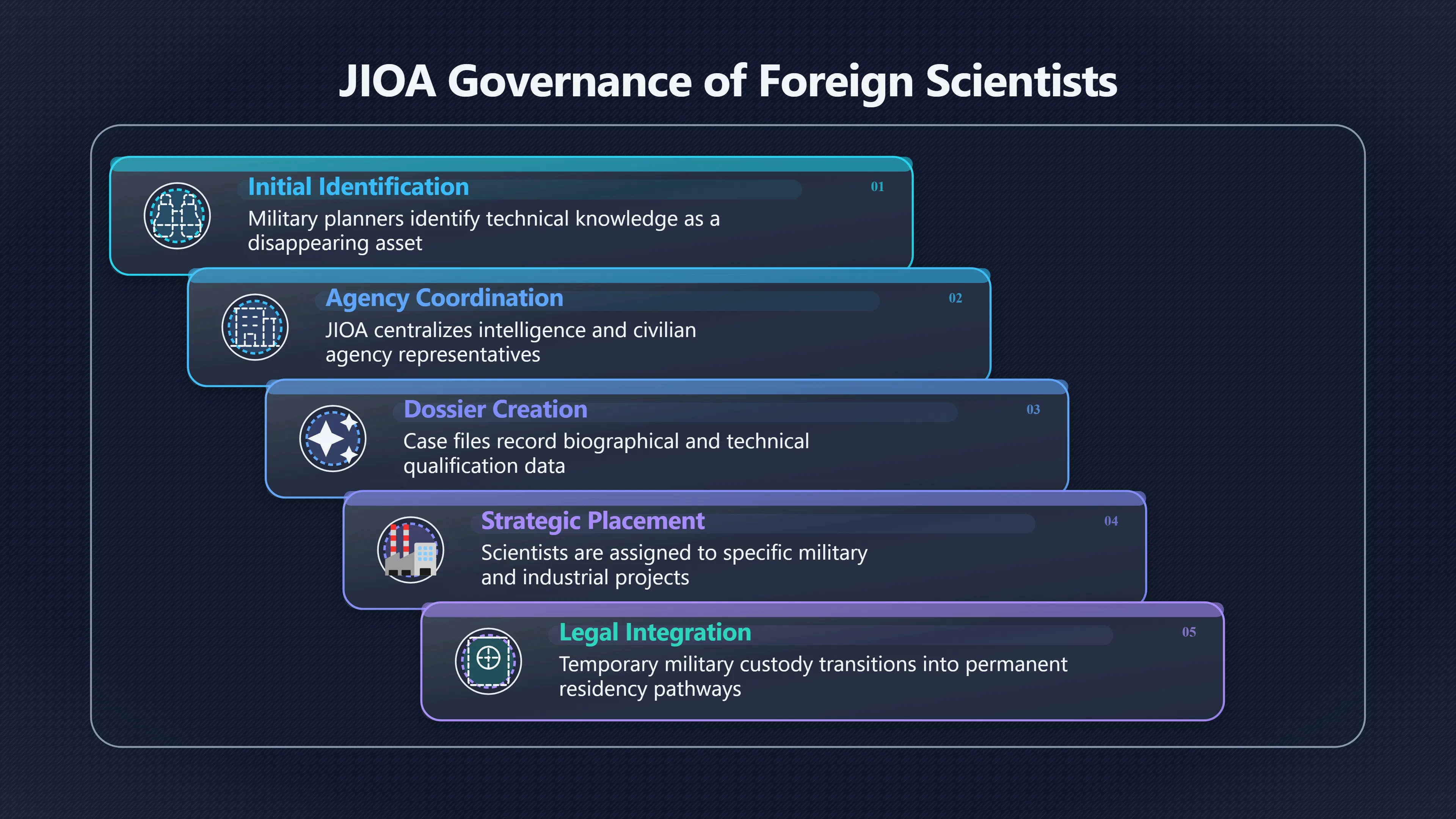
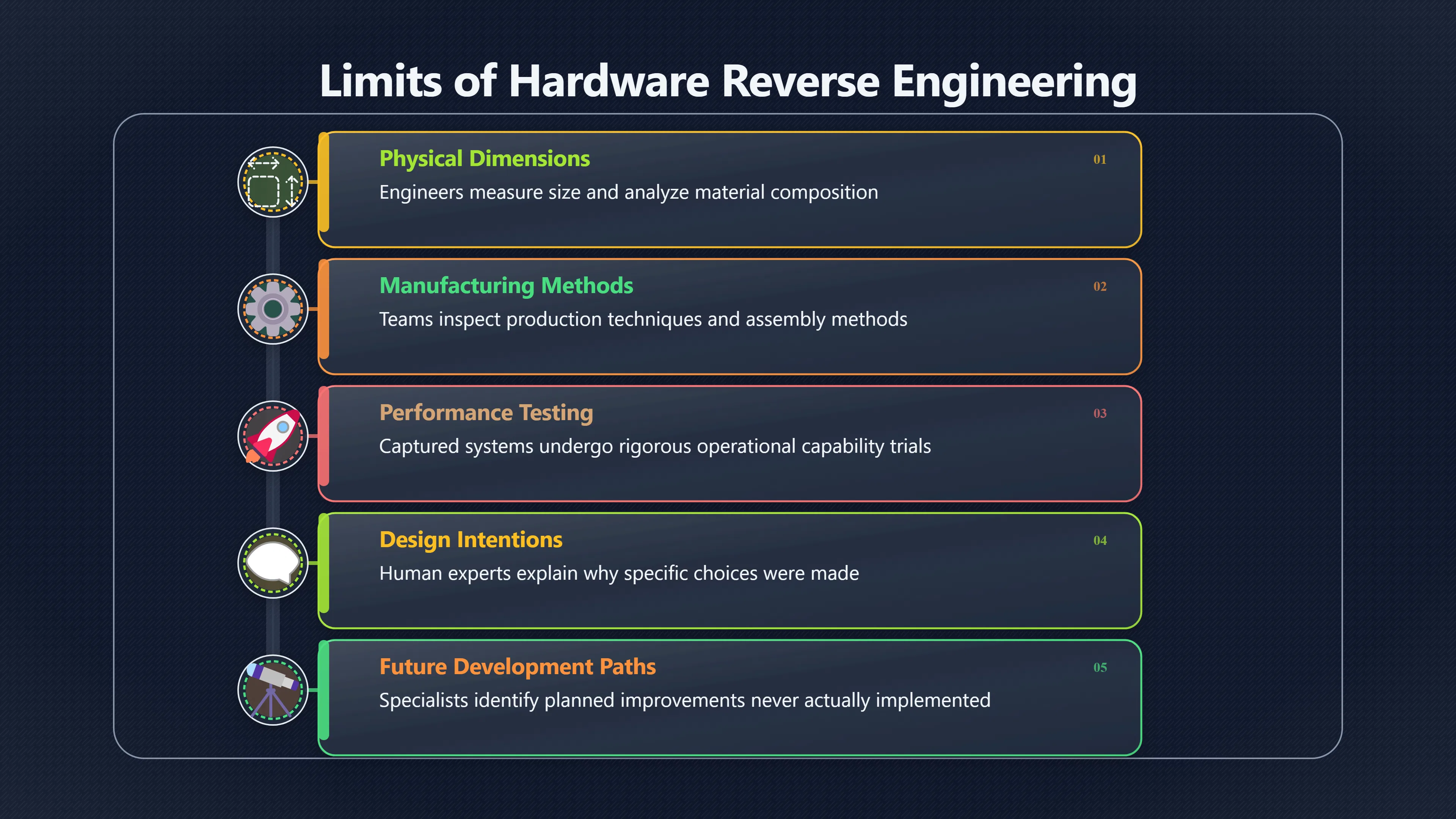
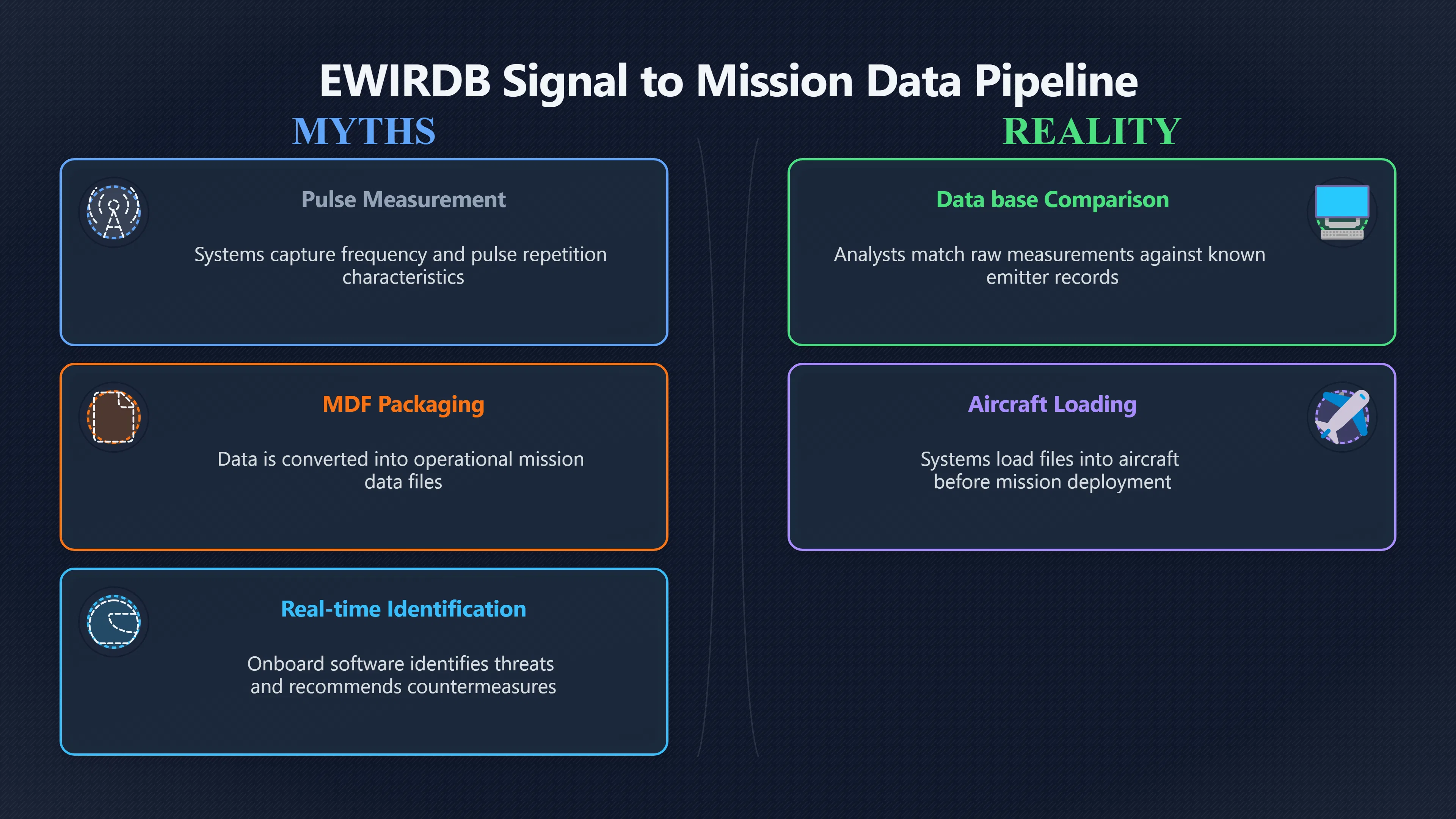
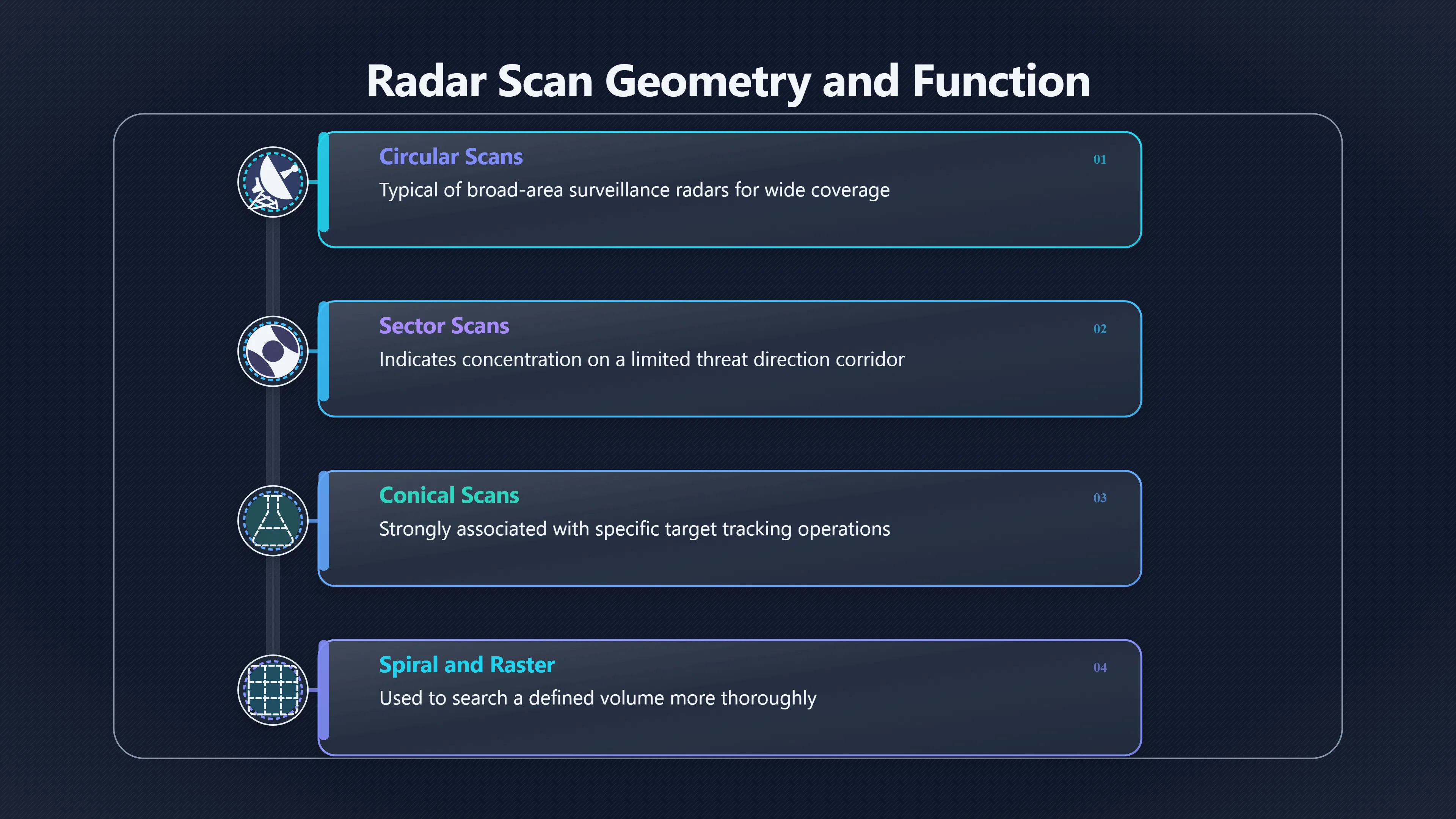
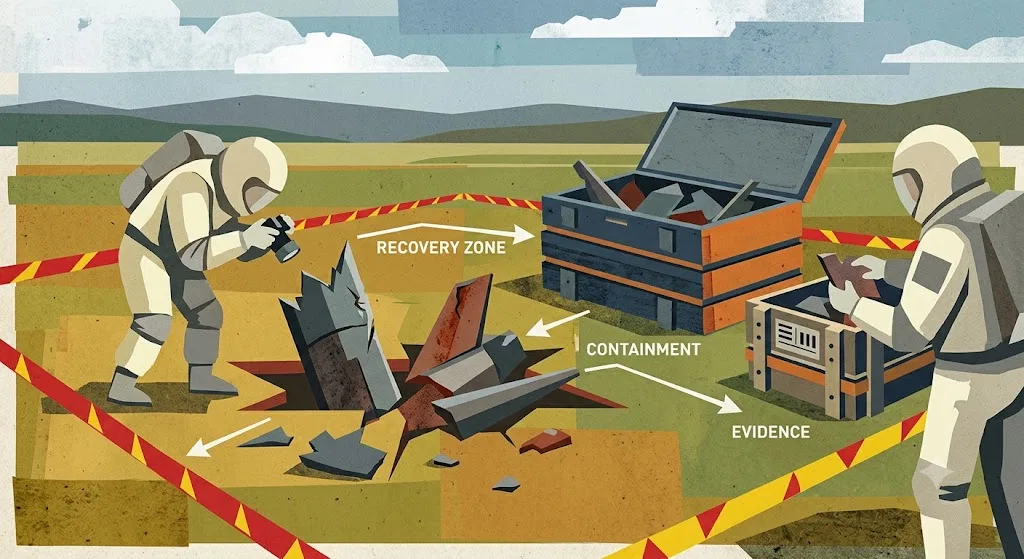
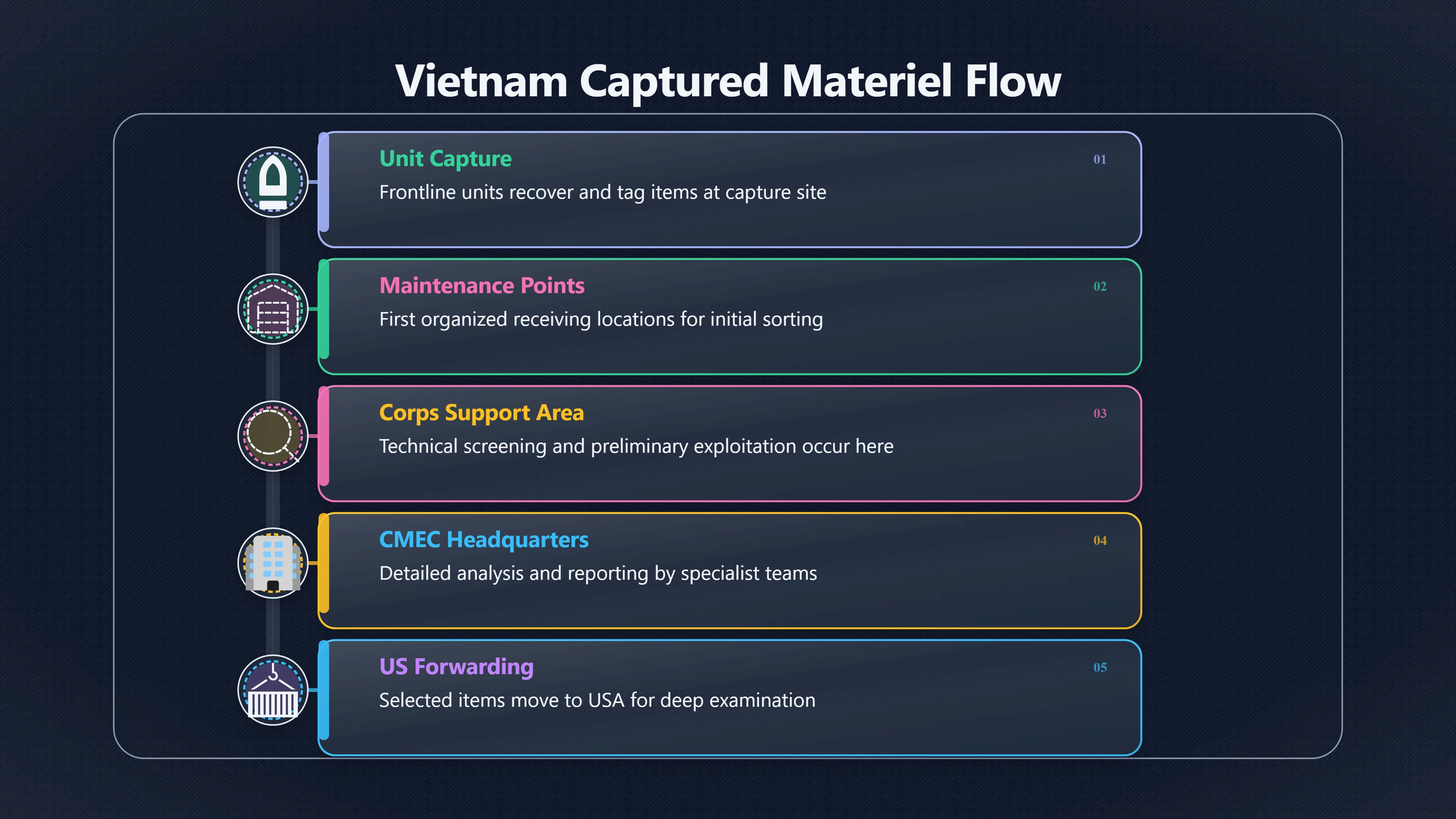
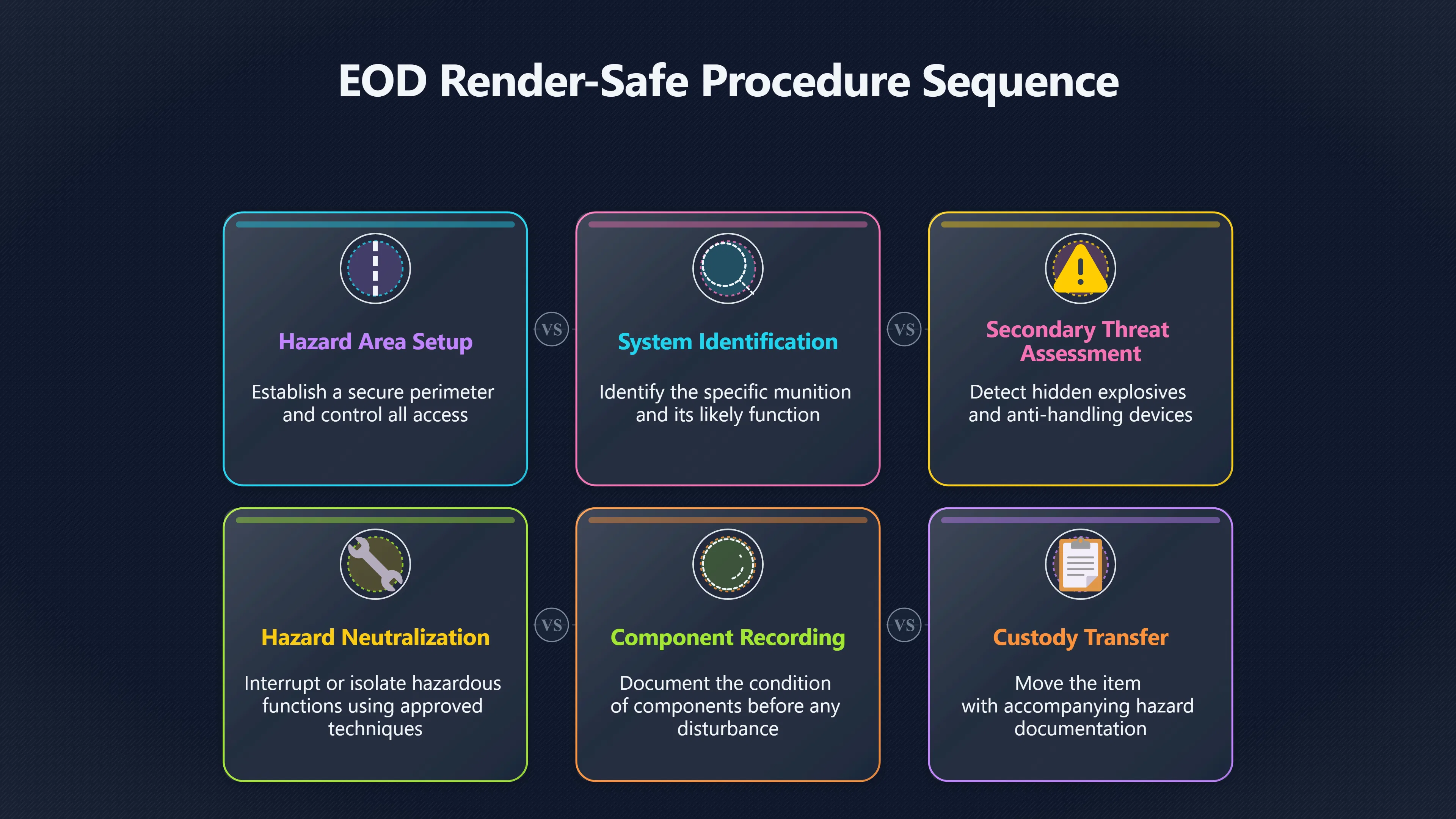
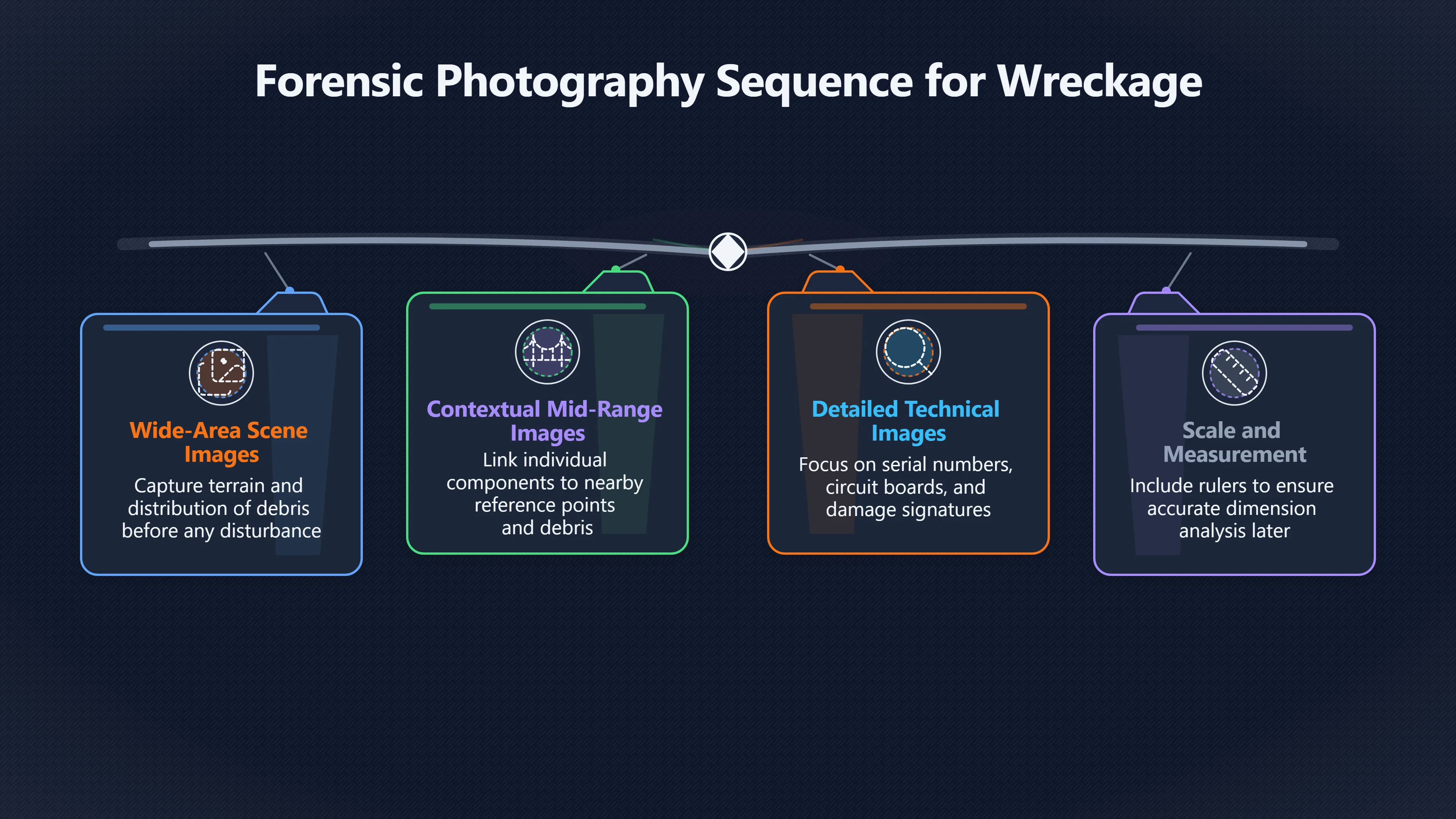
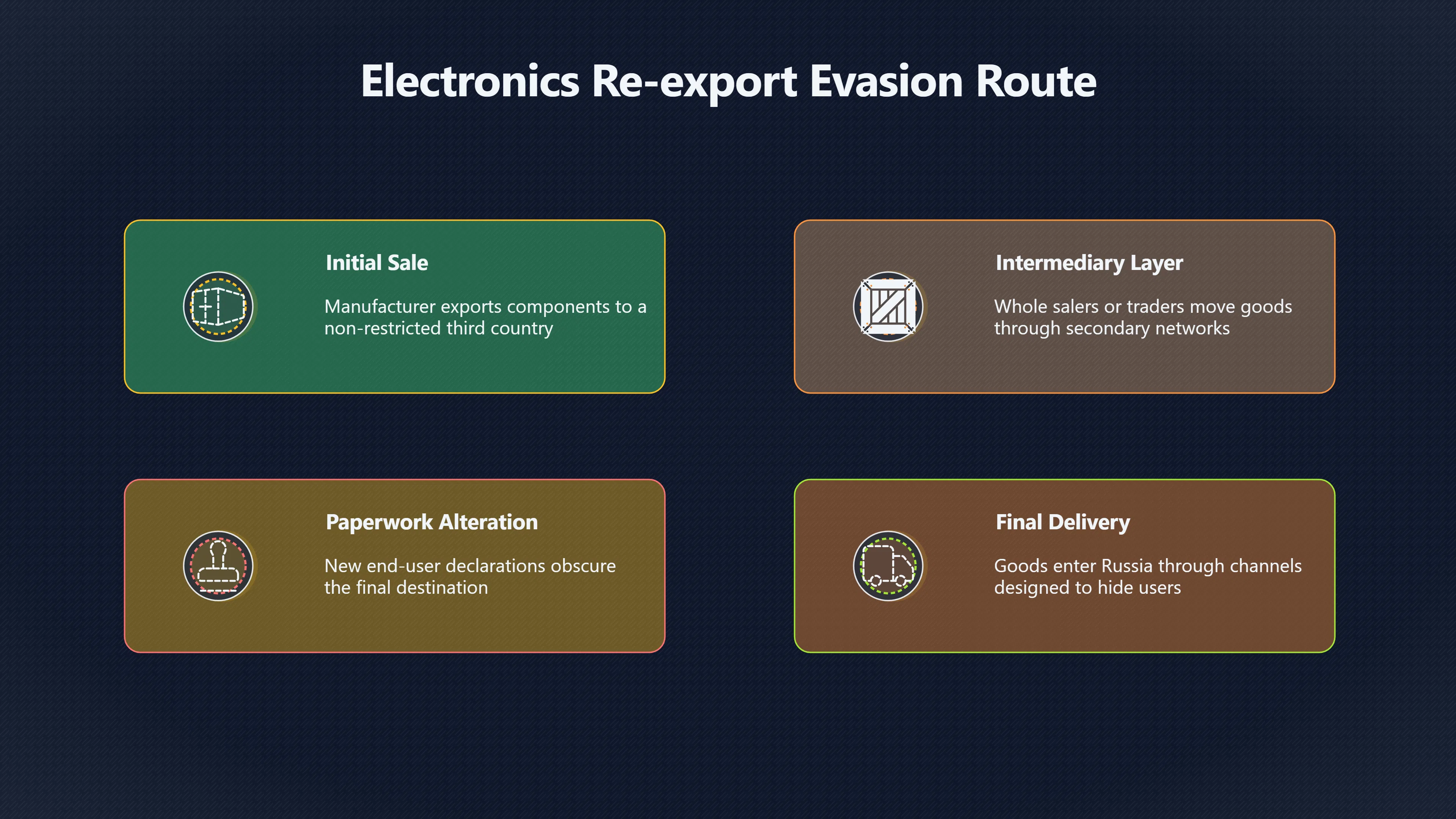
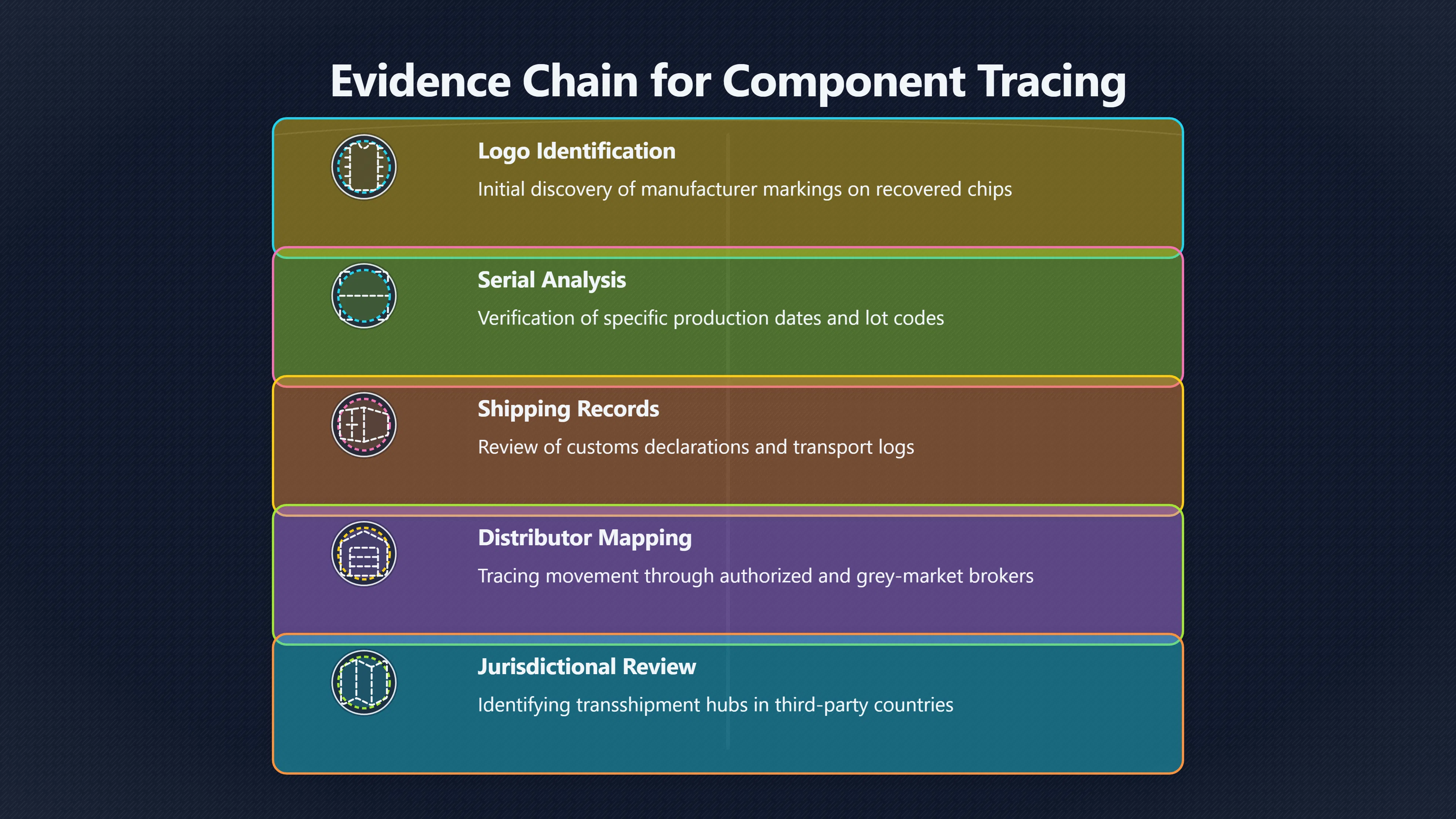
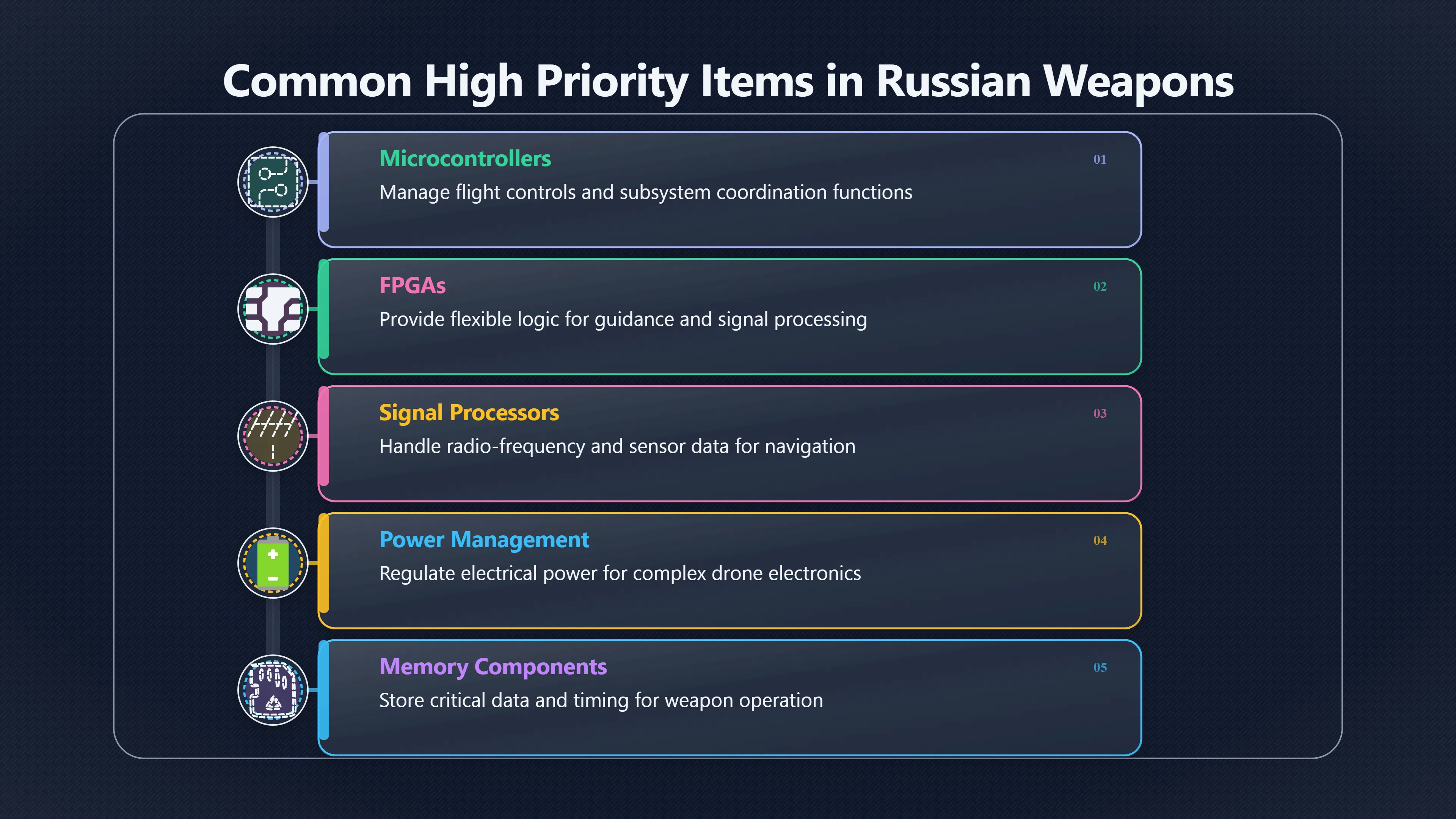
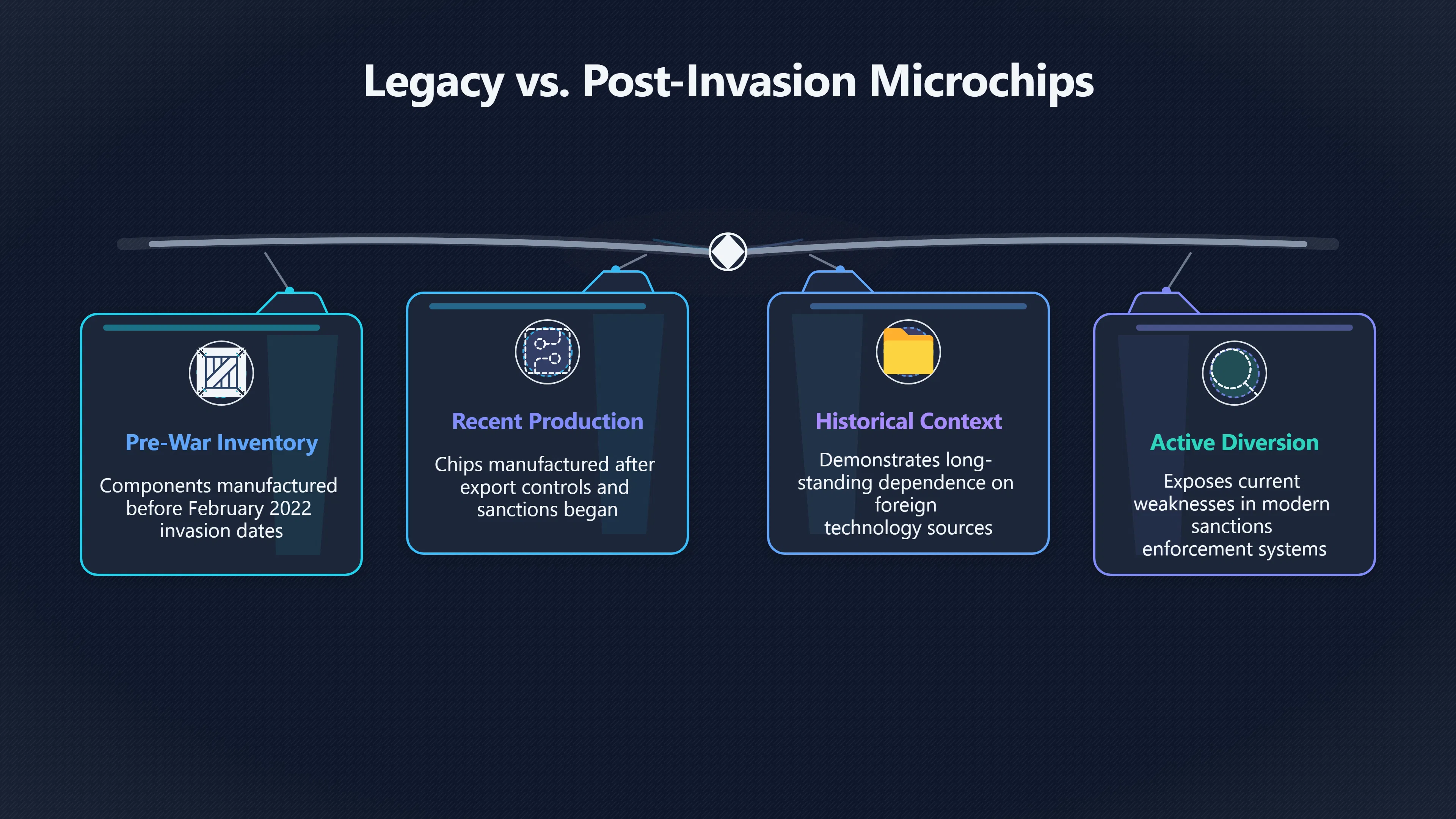
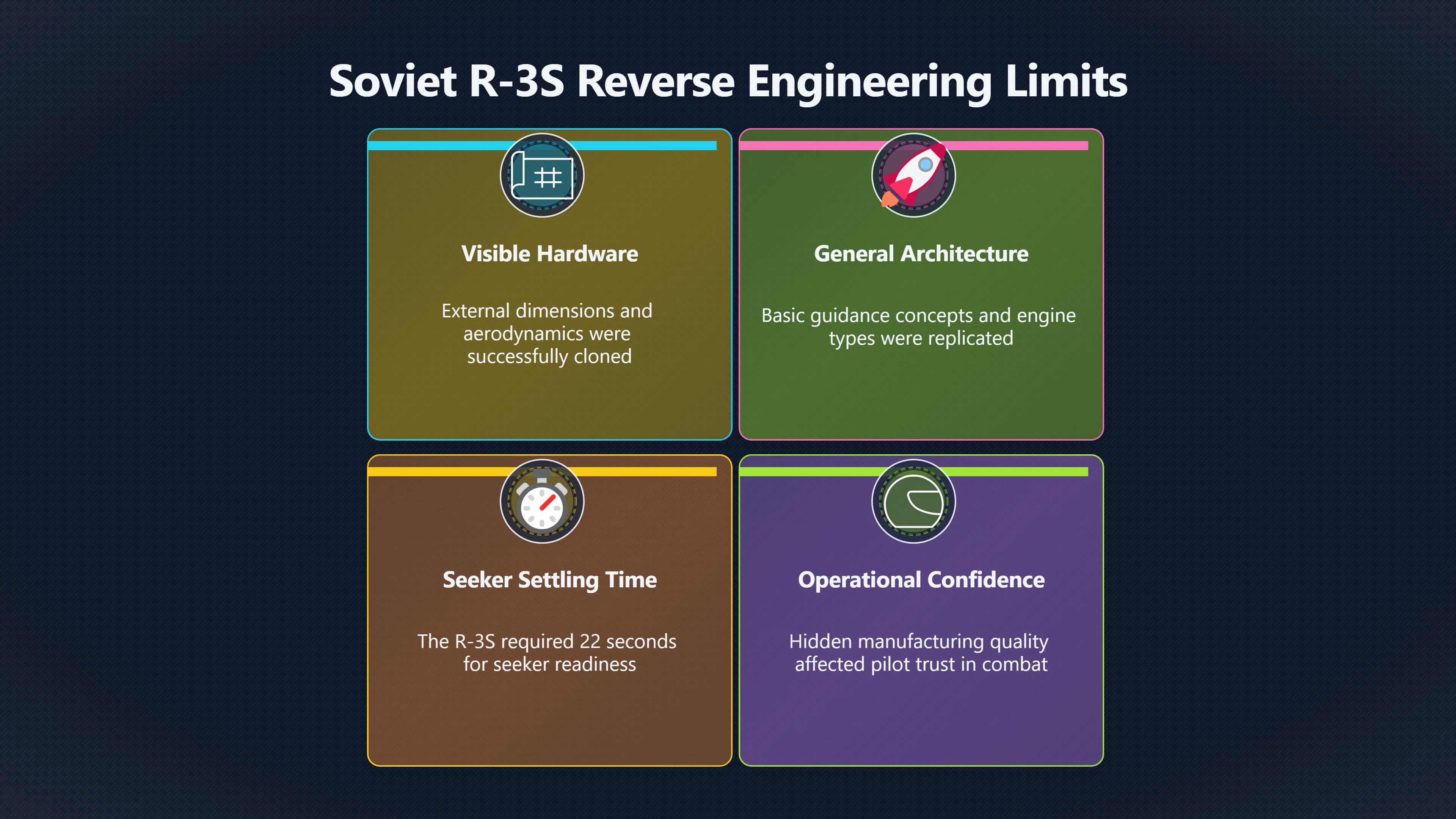
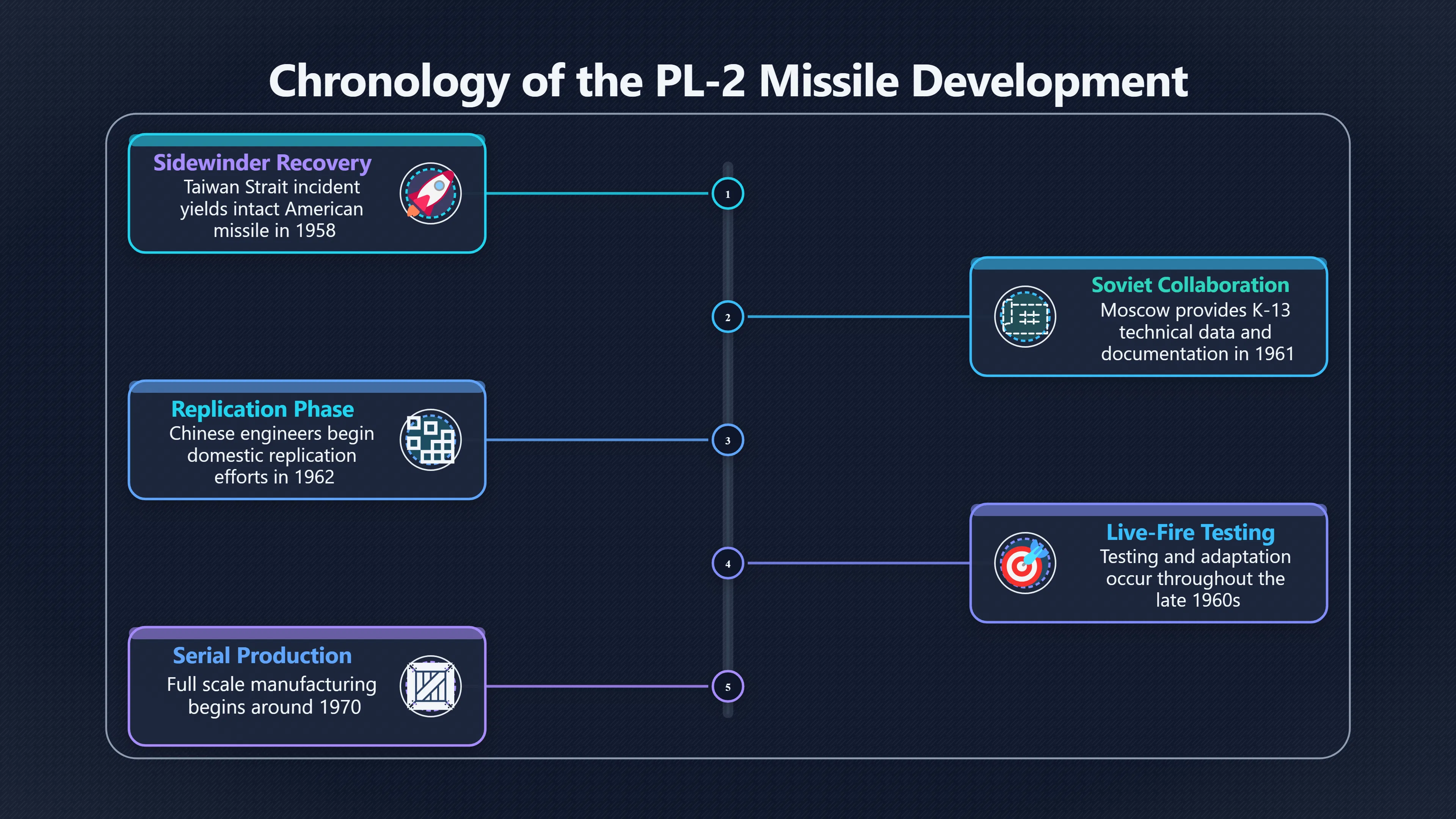
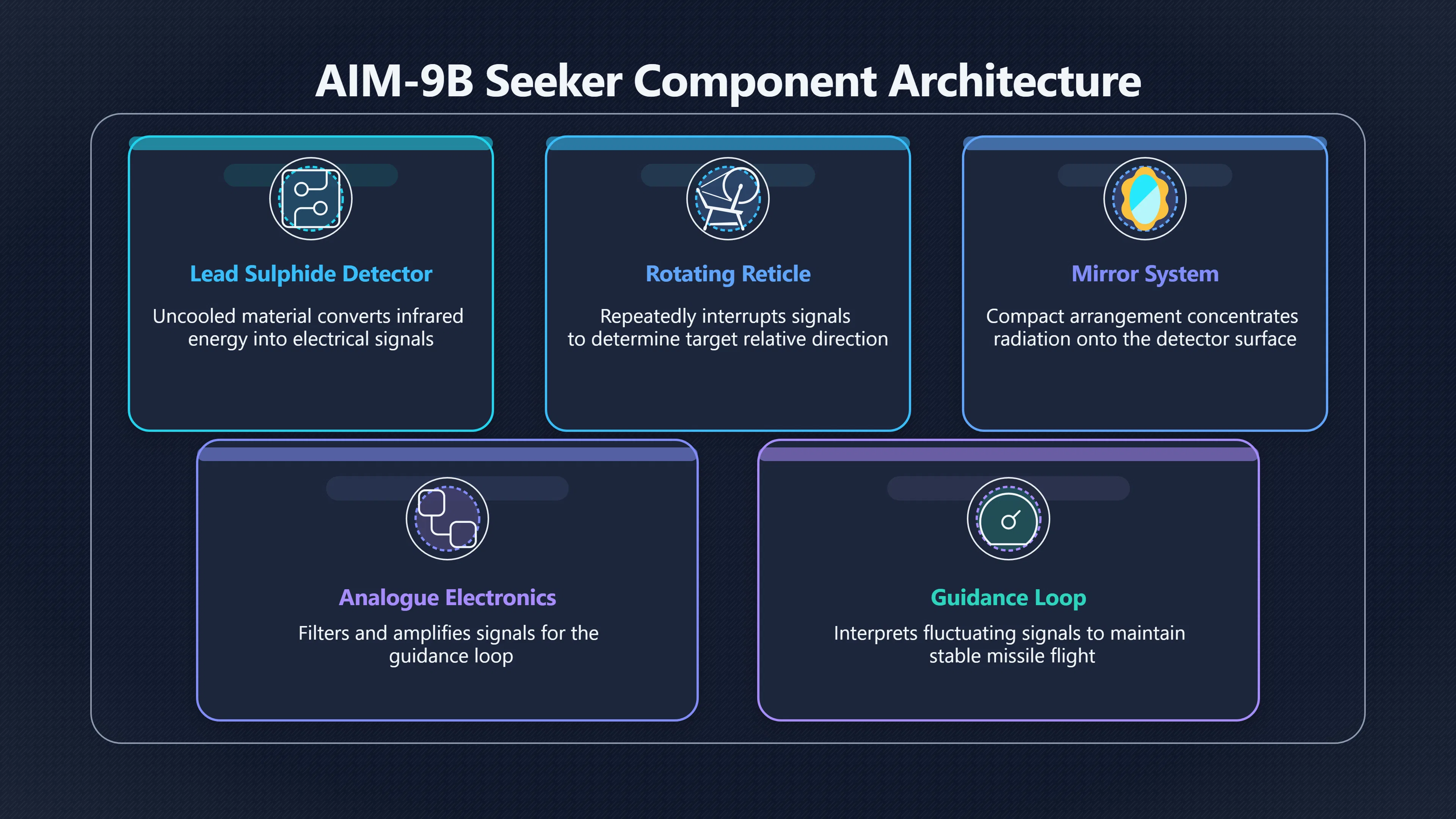
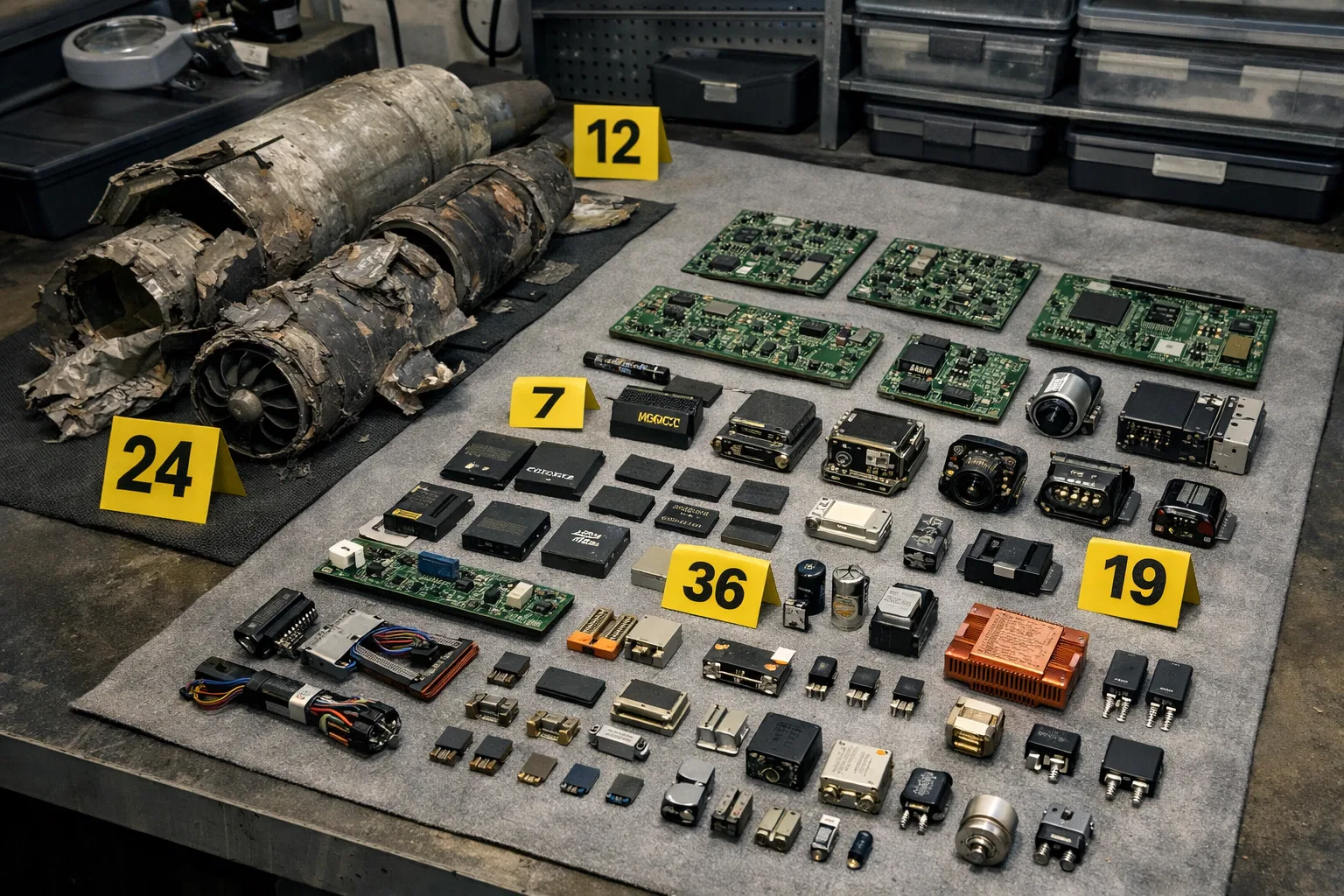
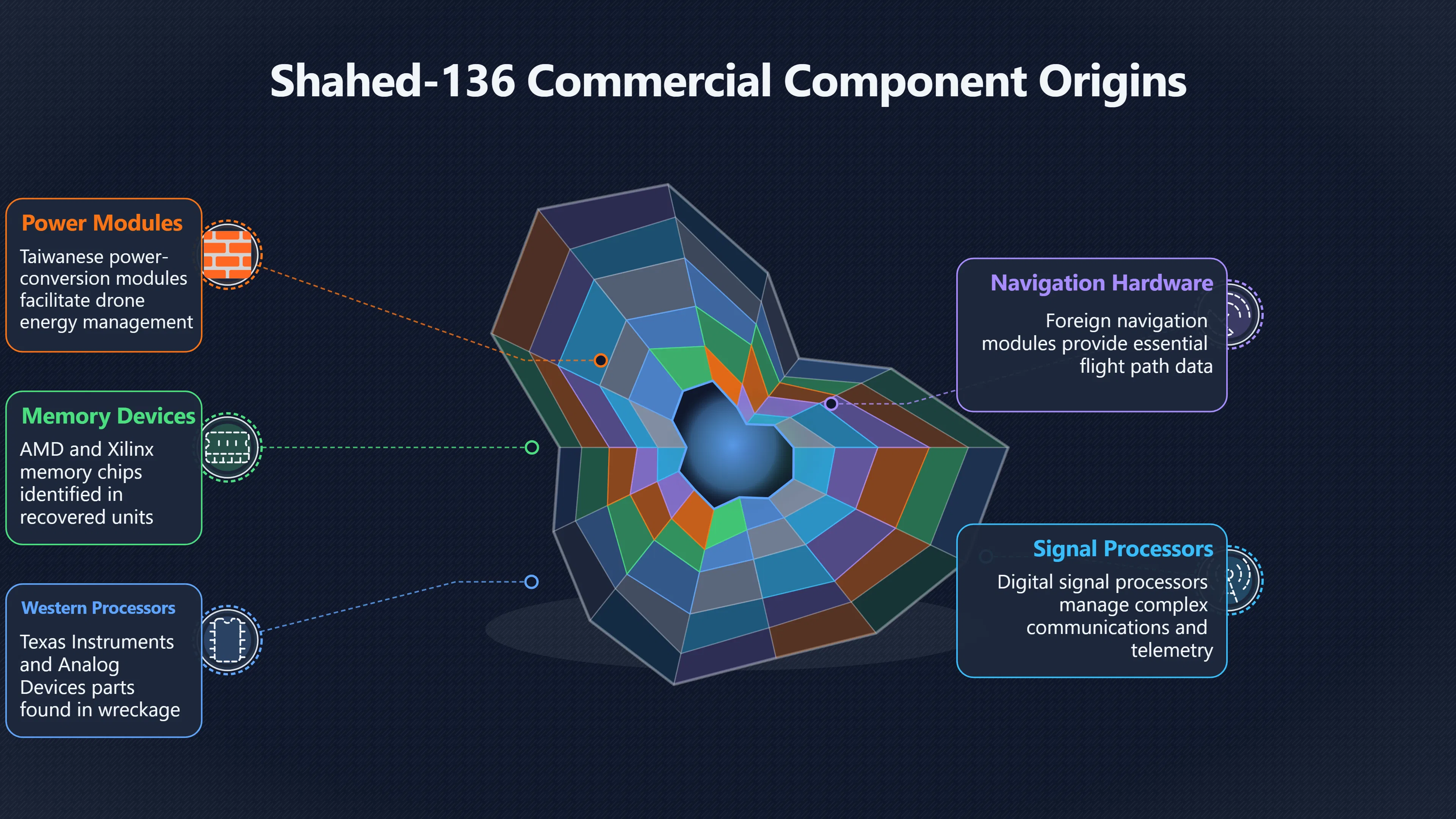
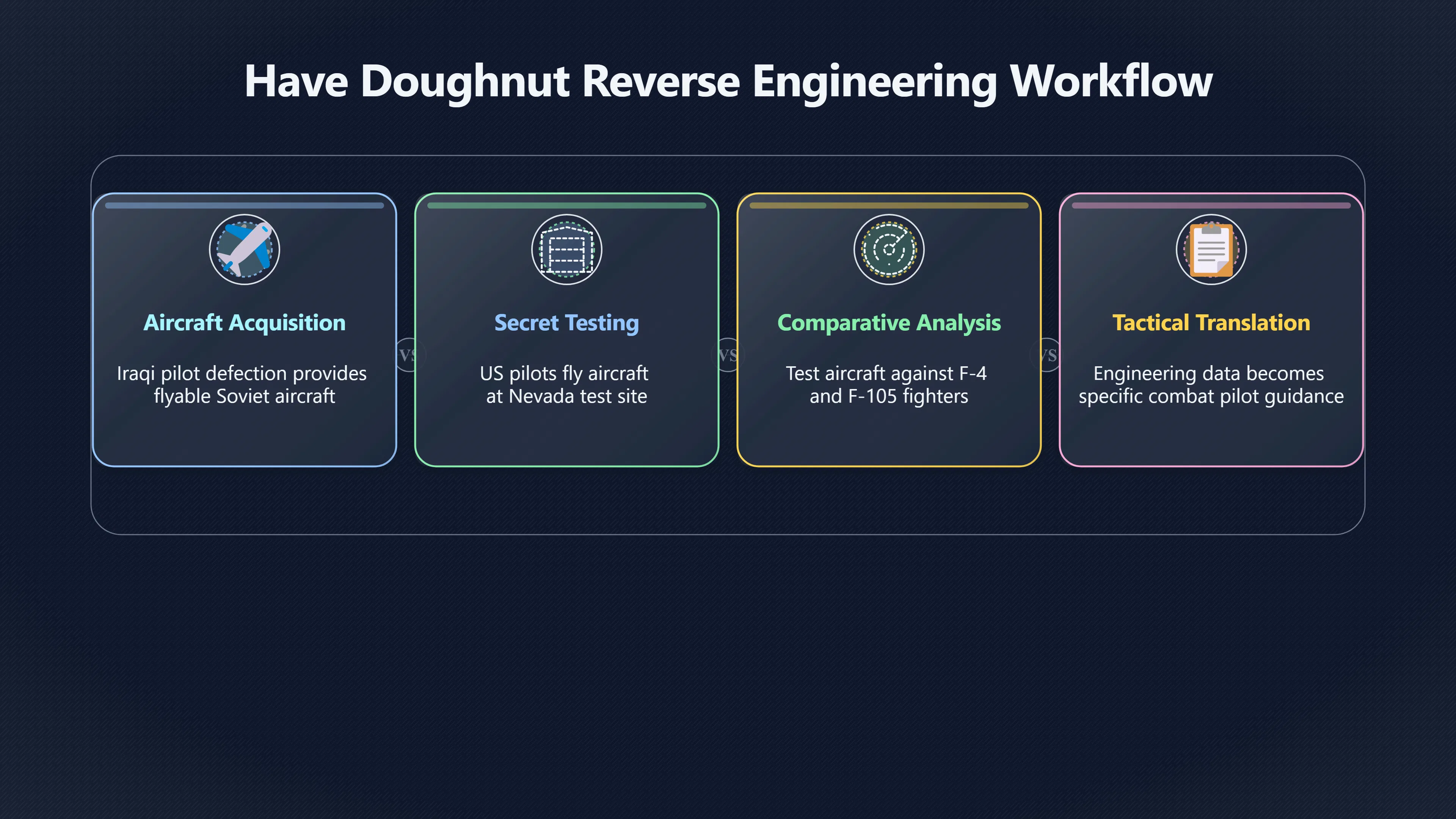
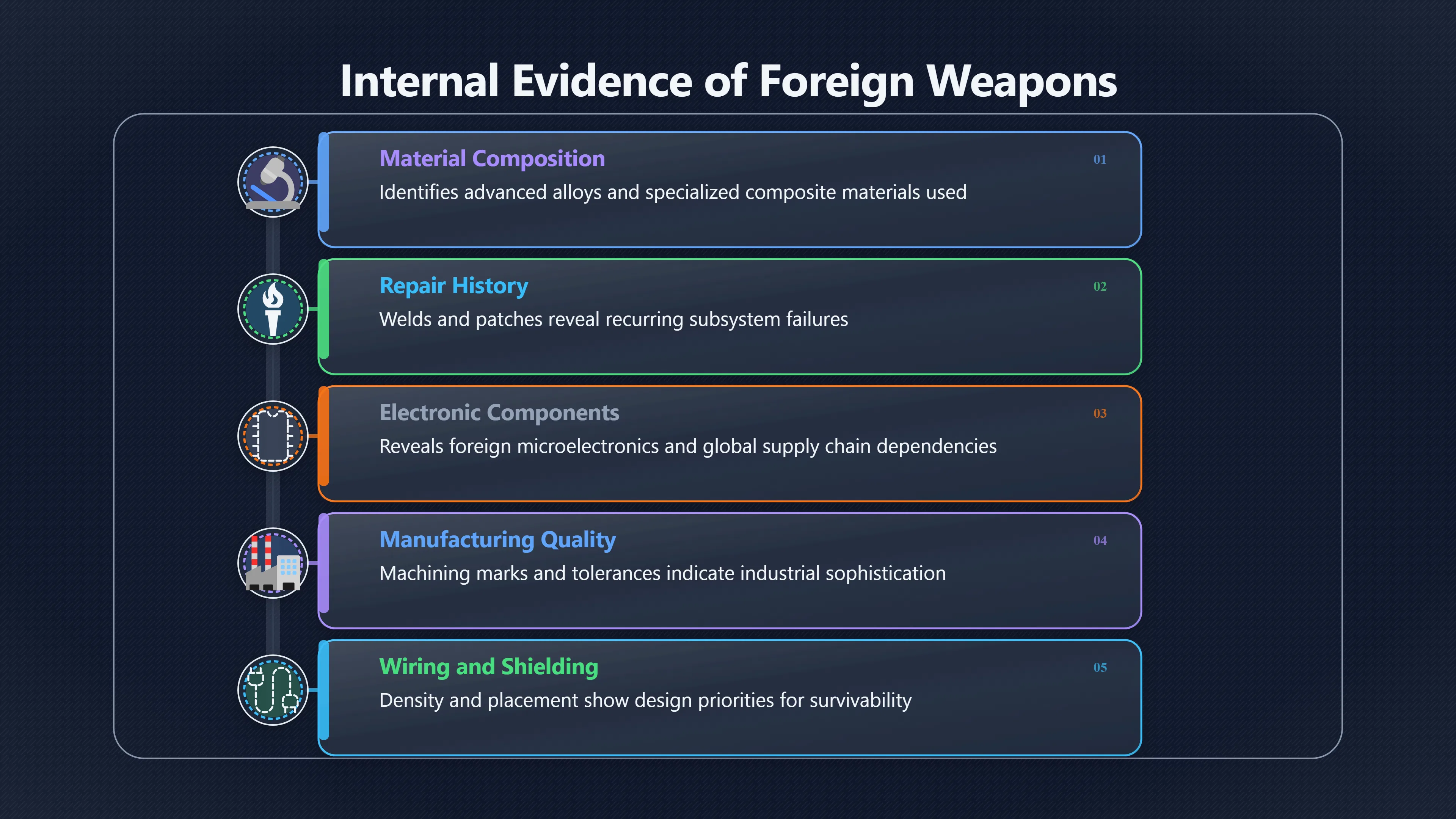
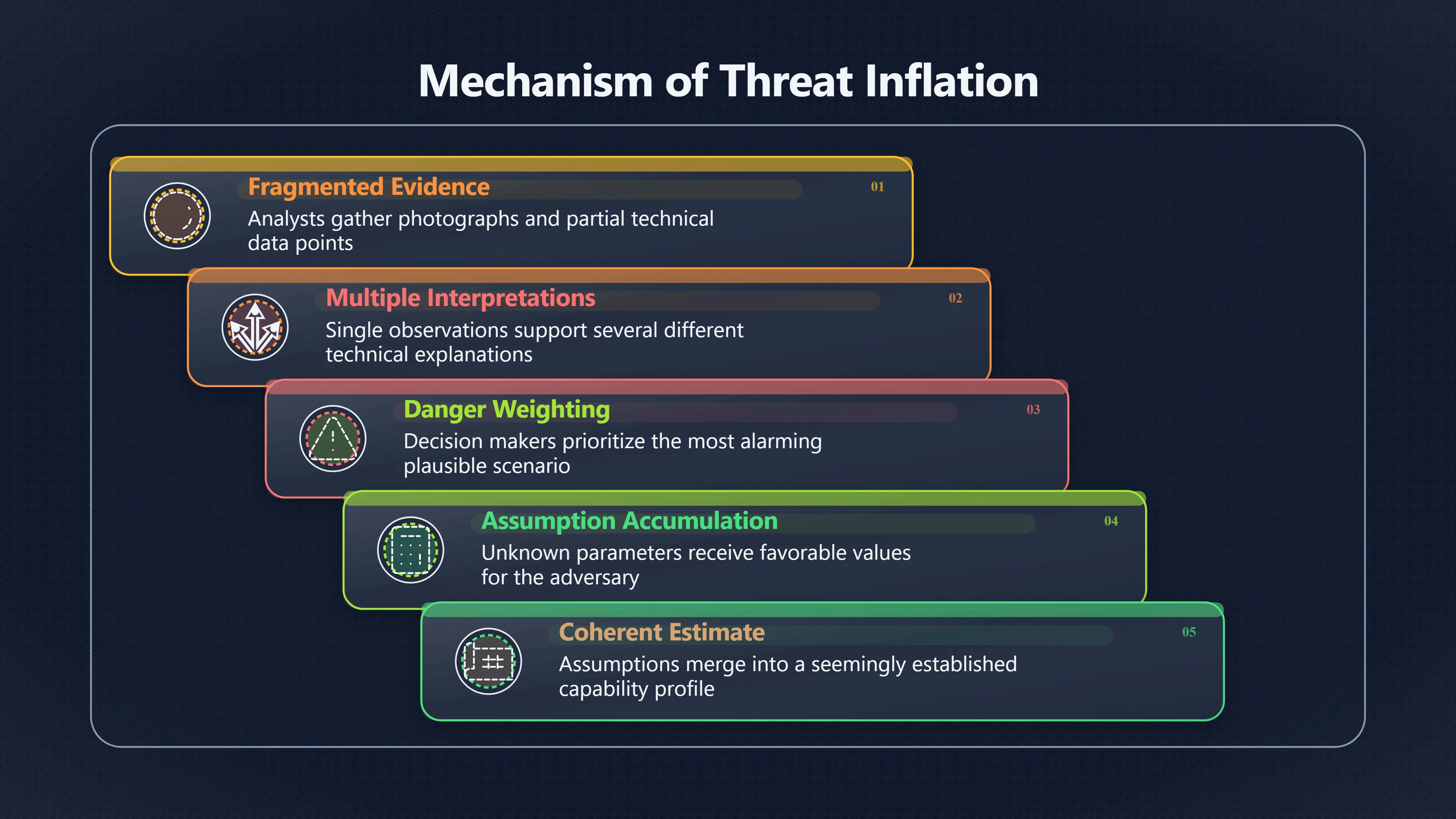
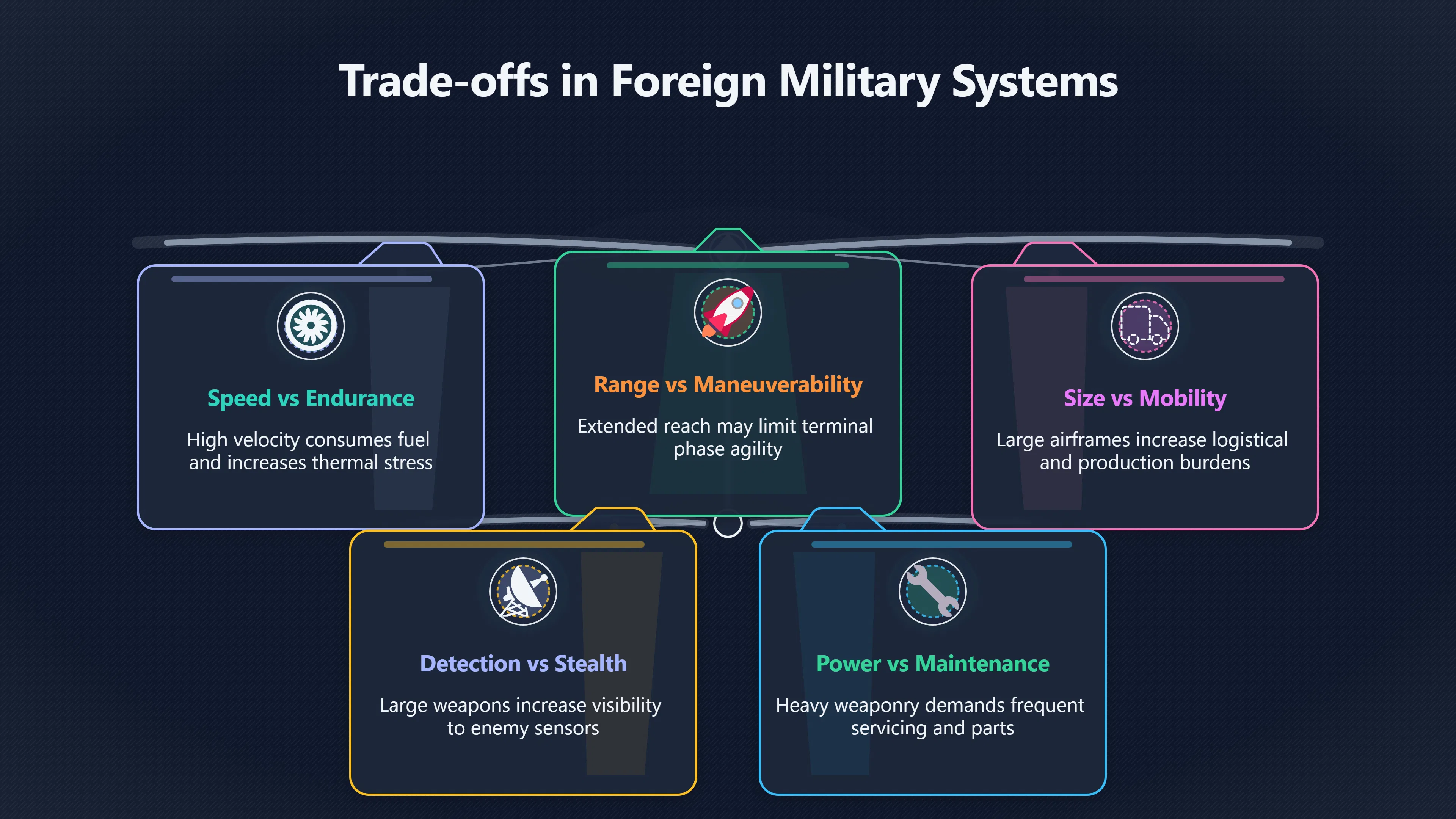
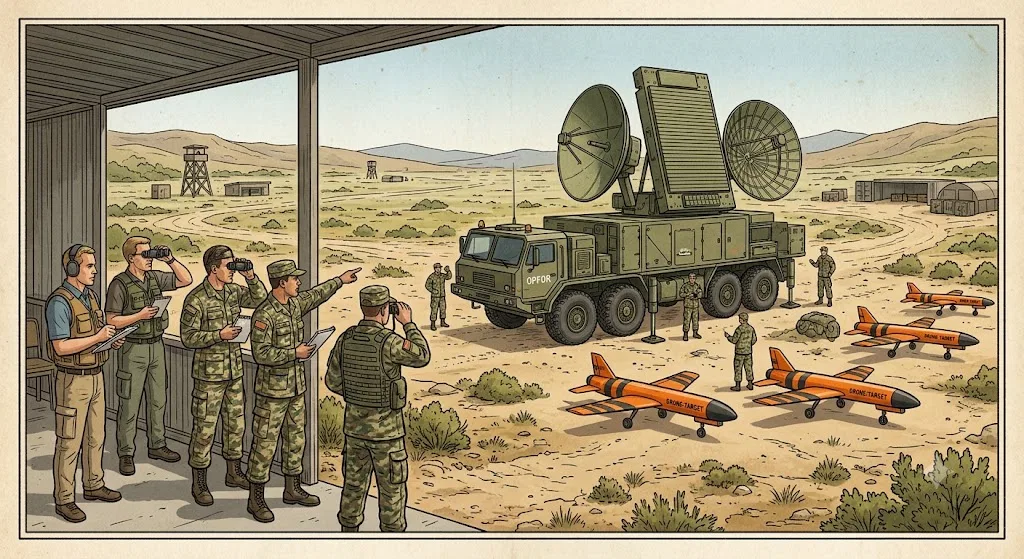
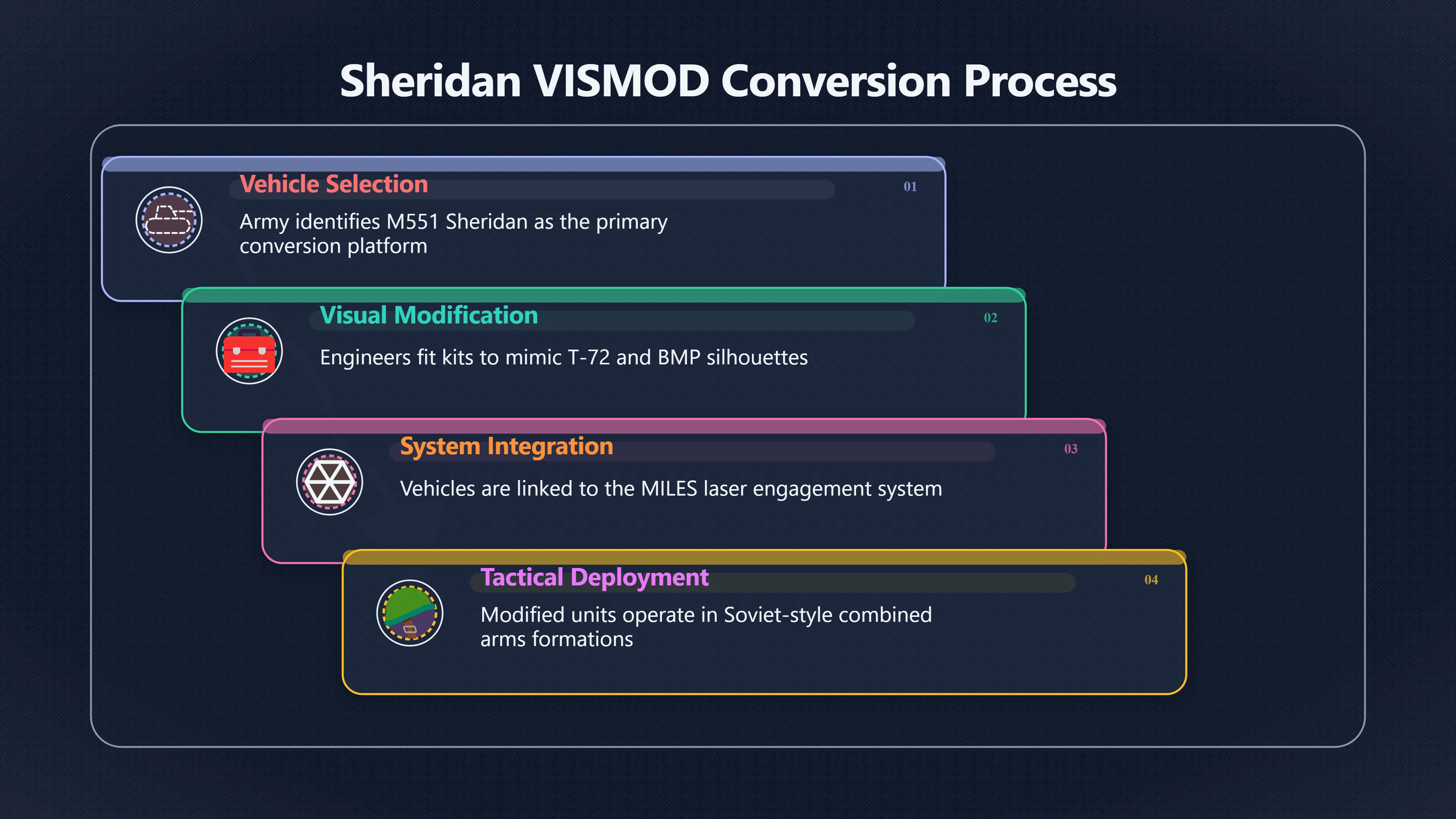
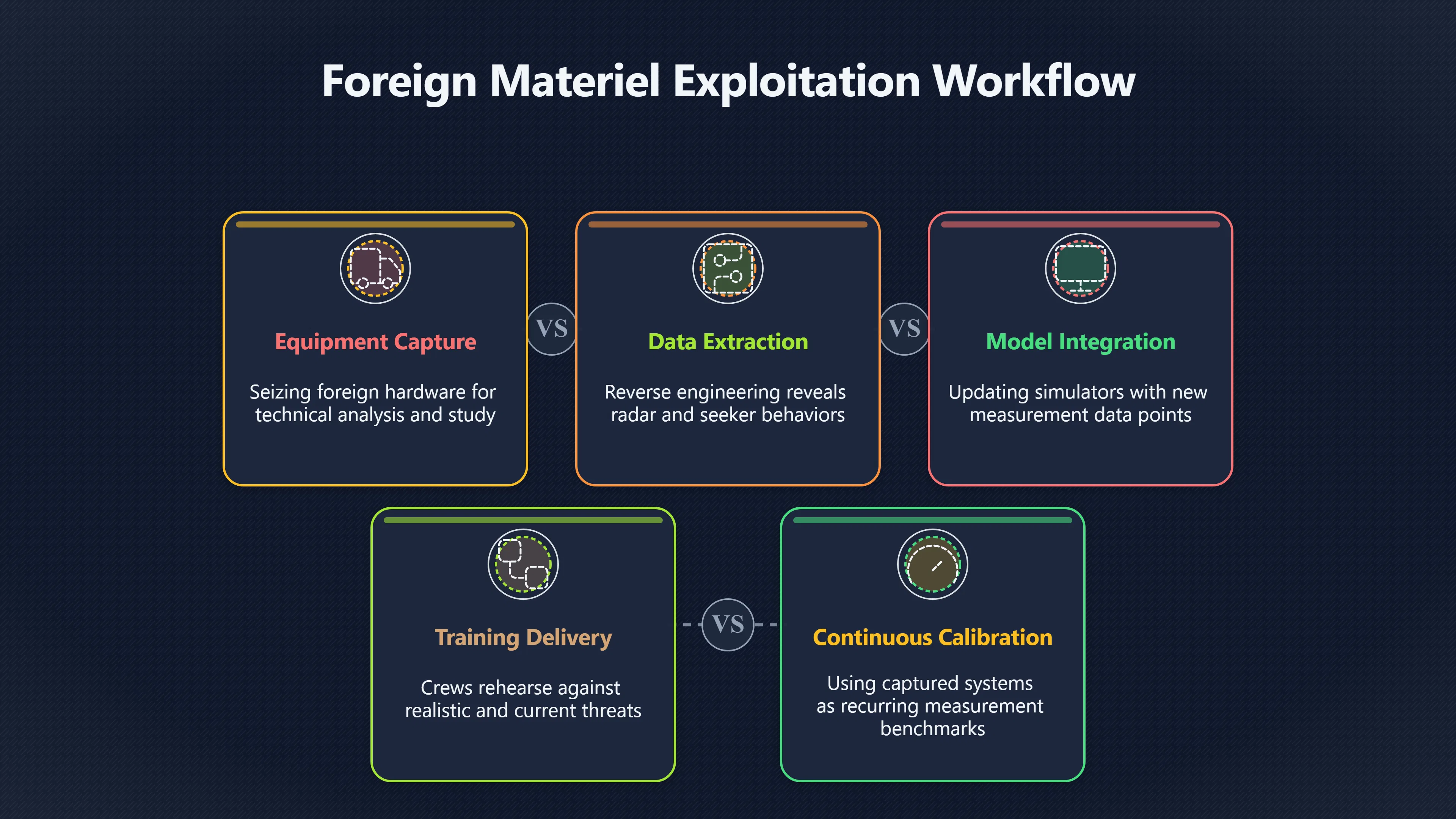
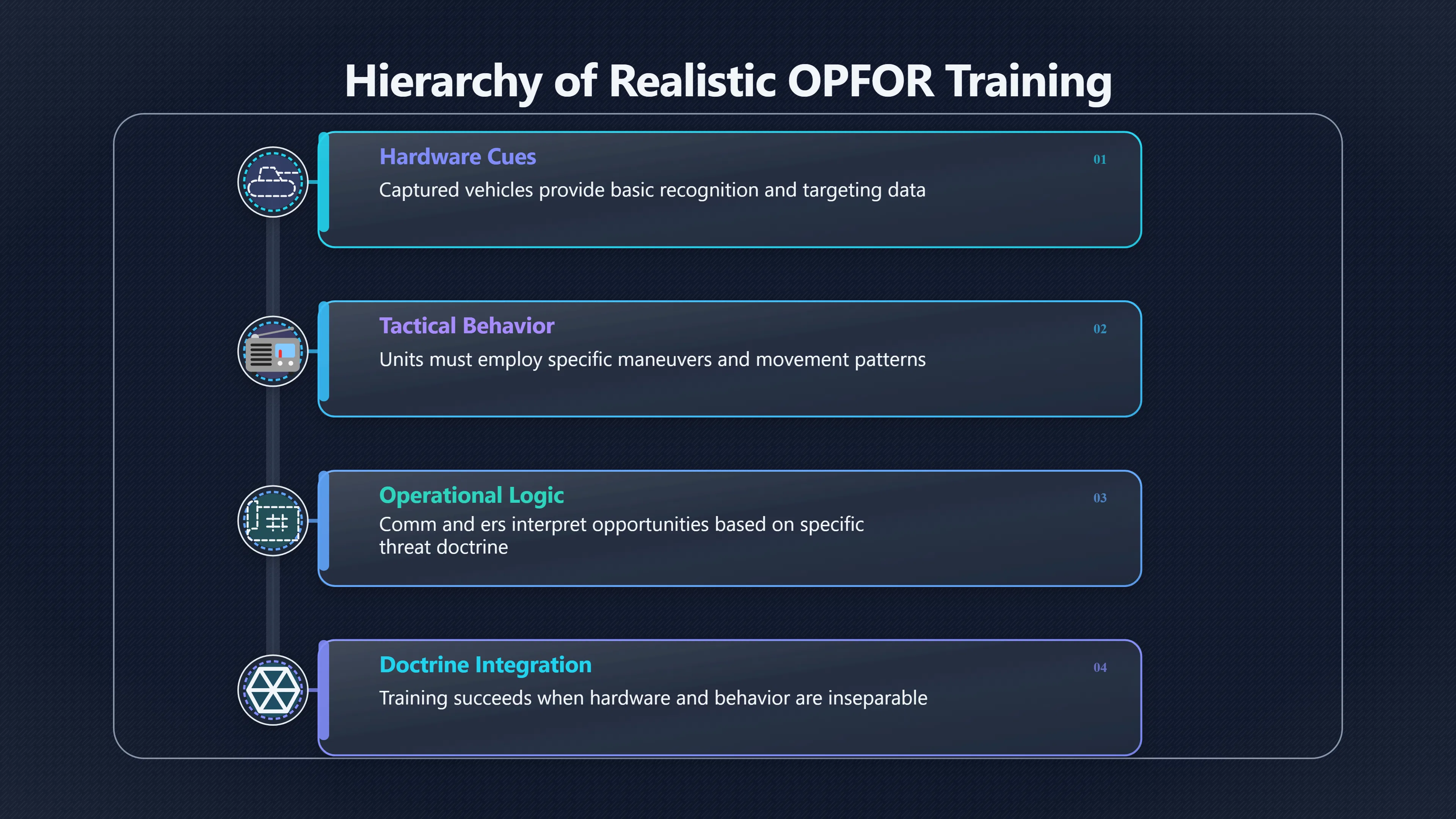
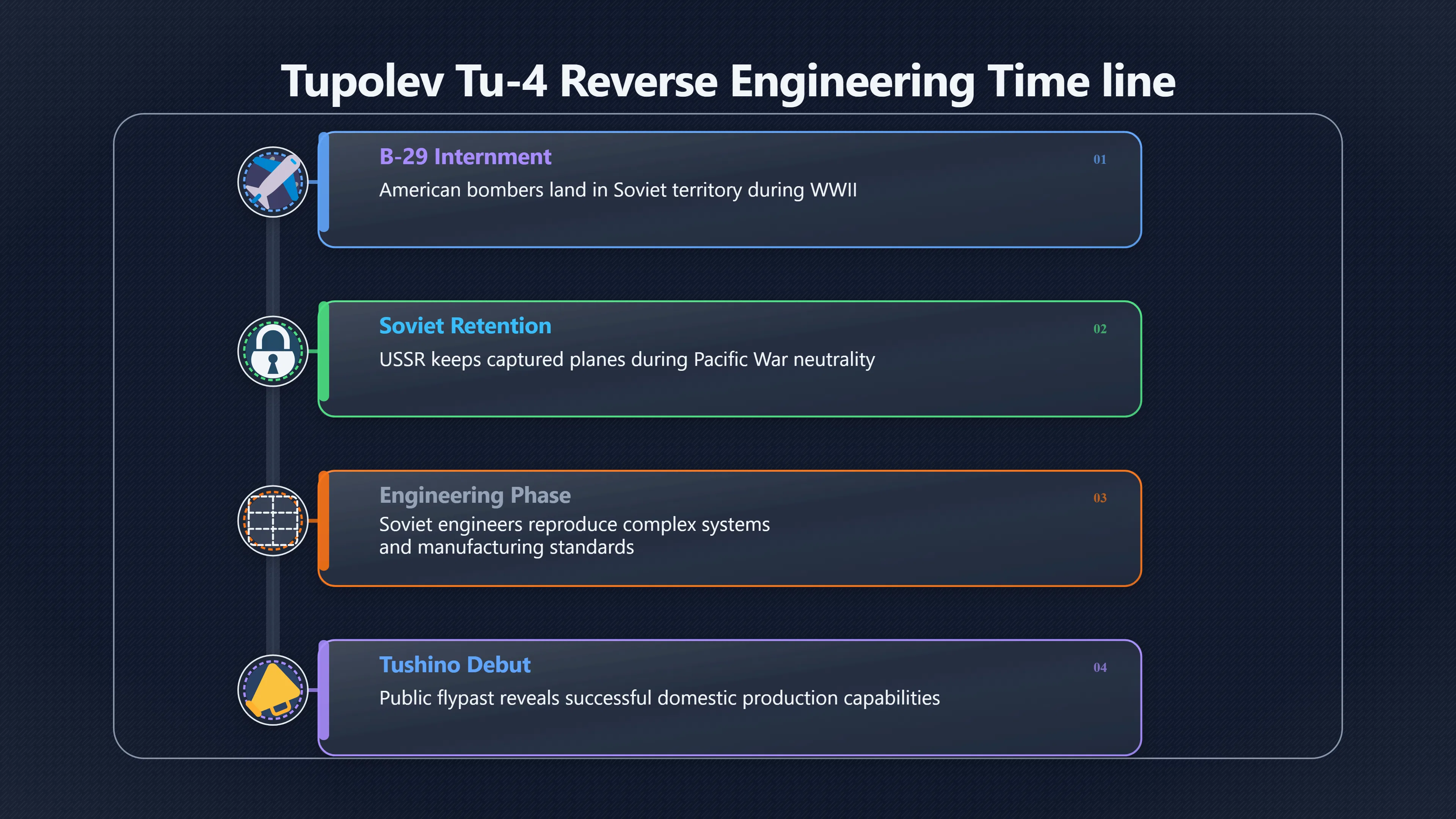
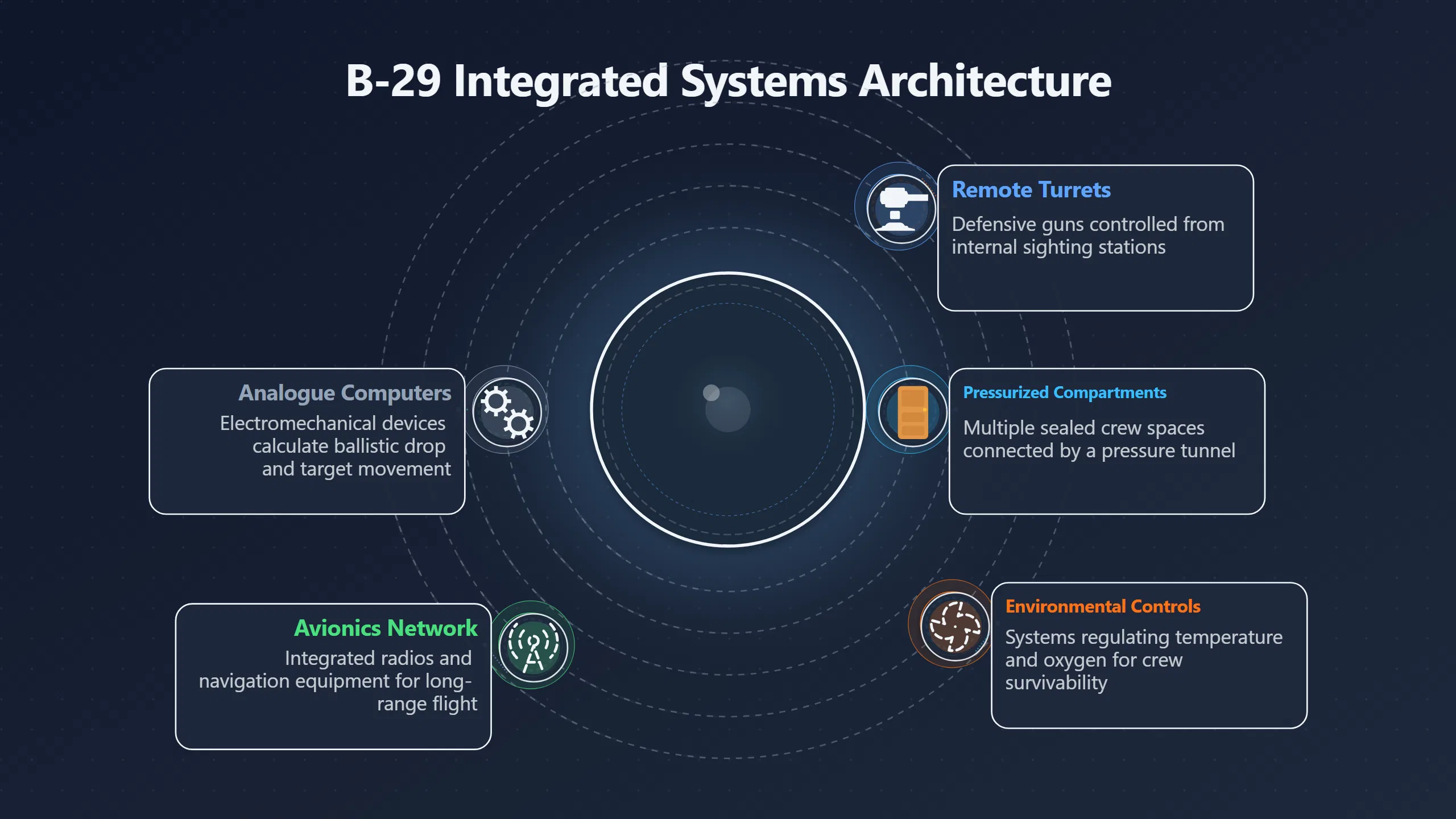
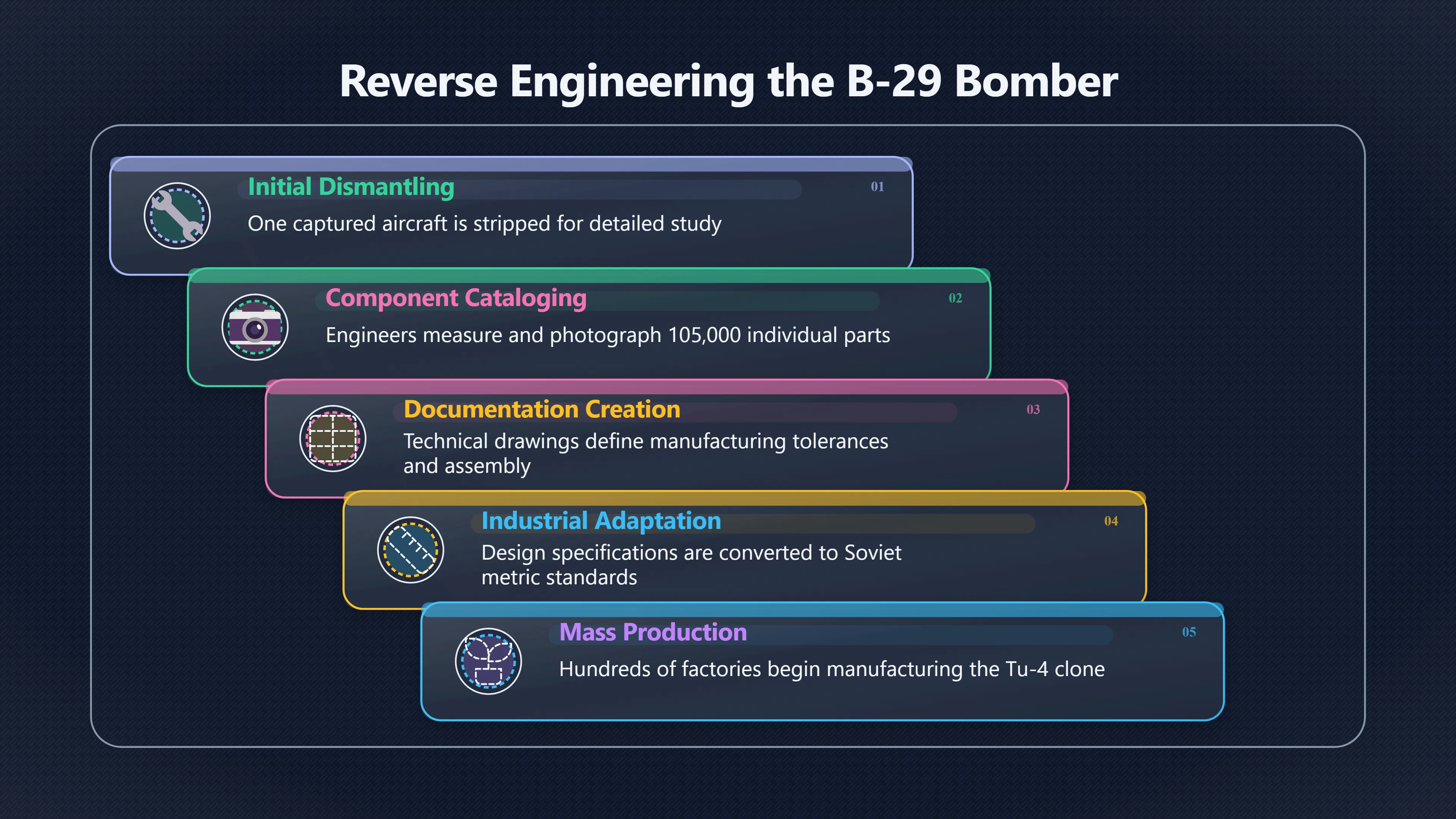
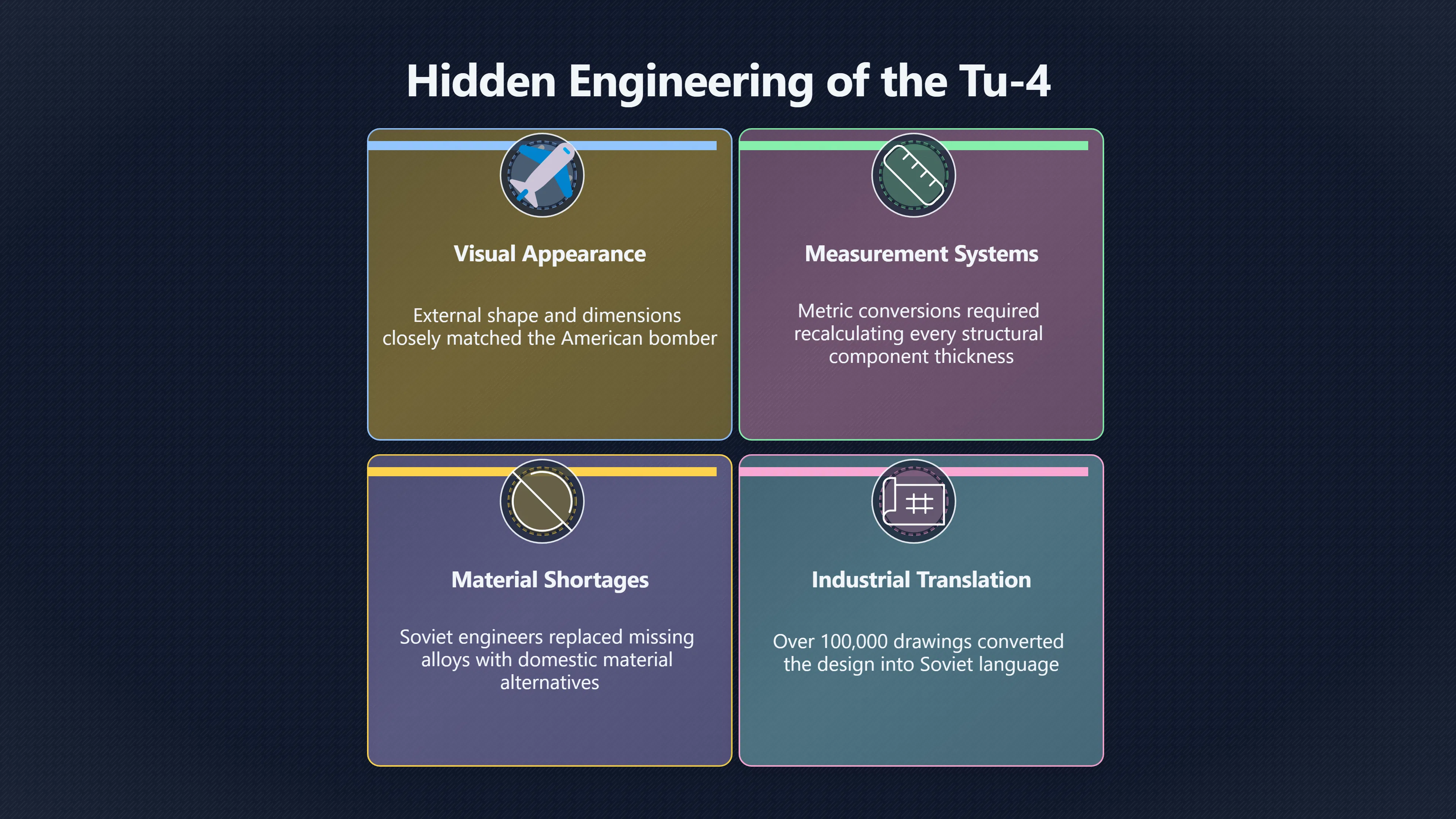
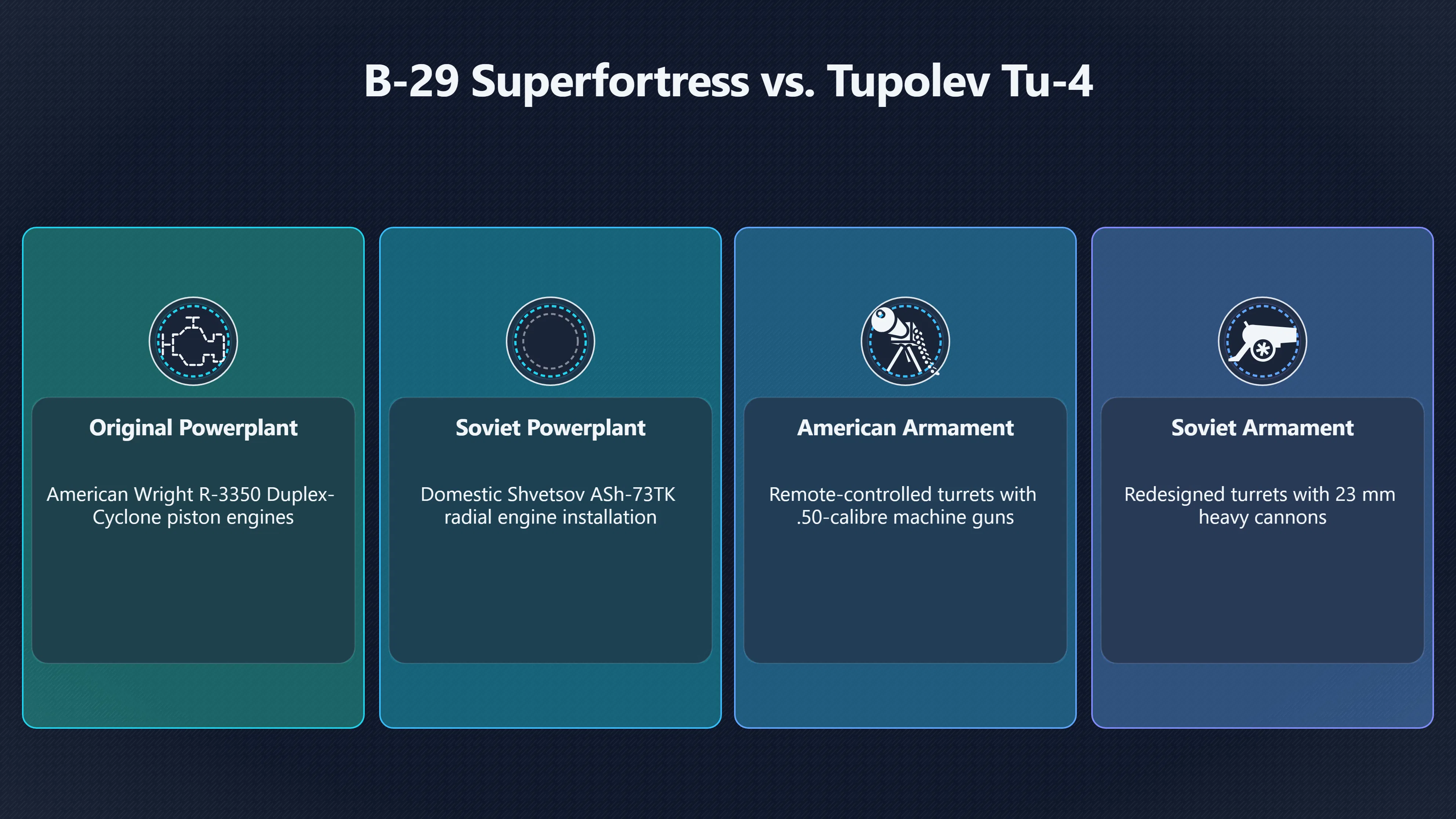
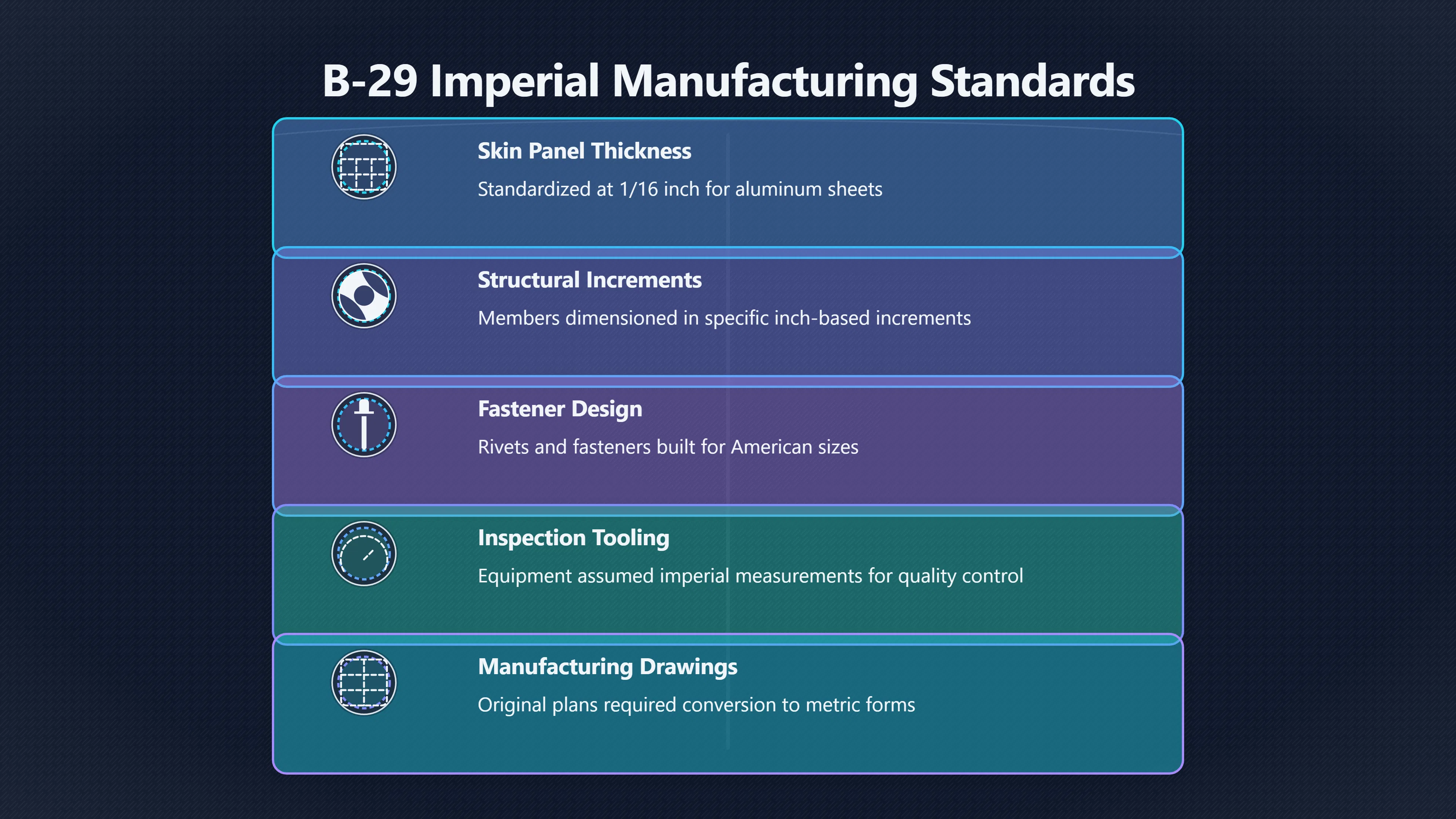
Expand all Collapse all Foreign Materiel What Captured Weapons Really Reveal Reverse engineering foreign military technology is the organised study of captured, bought, recovered or otherwise obtained weapons and systems to understand how an adversary’s equipment works, how it can be countered, and what lessons can be absorbed into one’s own defence industry. It is not simply copying. 211 pages Read more Battlefield Intel What Captured Weapons Tell Commanders Real hardware turns vague performance estimates into practical knowledge for pilots, crews and commanders. 7 pages +Show subtopics Read more Radar Lessons How Captured Radars Change the Fight Captured radars can reveal frequencies, blind spots and jamming weaknesses that turn technical findings into safer routes and better warnings. Read more Missile Seekers What a Captured Missile Gives Away A captured missile can expose how it sees, tracks and fails, giving commanders better countermeasures than range claims alone. Read more Drone Parts What Captured Drones Reveal Fast Captured drones can reveal sensors, data links and foreign parts quickly enough to guide jamming, sourcing analysis and field alerts. Read more Akutan Zero What the Akutan Zero Taught Pilots The captured Zero helped Allied pilots turn scattered combat reports into practical flying advice against Japan's most feared fighter. Read more Constant Peg When Captured Mi Gs Became the Classroom Constant Peg showed how captured aircraft became a training system, not just an intelligence report on enemy performance. Read more Field Exploit Why First Inspection Can Matter Most Captured equipment has its first value when soldiers can identify, preserve and report what matters before specialists finish deeper tests. Read more Cold War Race Why the Cold War Prized Captured Machines The Cold War made foreign hardware especially valuable because both blocs feared surprise and raced for advantage. 7 pages +Show subtopics Read more Mi G 25 Myths Did the Mi G 25 deserve its terrifying reputation? Belenko's 1976 landing let Western specialists replace frightening guesses about the MiG-25 with testable engineering facts. Read more Mi G 15 Recovery How a salvaged Mi G 15 became an intelligence prize Recovered MiG-15 wreckage showed how early Cold War exploitation studied materials, manufacture and performance together. Read more Proxy War Finds How proxy wars fed the hardware chase Korea, Vietnam and the Middle East created openings for superpowers to examine weapons they could not seize directly. Read more Danish Mi G When a defected Mi G became a diplomatic problem The 1953 Danish MiG-15 case shows how valuable hardware could force allies to balance secrecy, law and Soviet pressure. Read more Hardware Evidence Why real machines beat Cold War rumors Cold War exploitation turned captured machines into evidence about enemy capability, production quality and future weapons. Read more SA 2 Clues Why small SA 2 clues mattered in air combat Fragments, radars and manuals from SA-2 systems could narrow deadly uncertainty for pilots facing Soviet air defences. Read more Countermeasures Why Countermeasures Need Real Hardware Jammers, decoys and defensive tactics work best when engineers can test against measured enemy signals. 7 pages +Show subtopics Read more Threat Sims Can a simulator stand in for the enemy? A threat simulator only proves much if it reproduces enough real enemy behavior for a test result to mean something in combat. Read more Rapid Exploit How captured weapons become urgent protection data Captured threat equipment can become urgent engineering evidence when troops need defensive fixes before formal programs catch up. Read more ALQ 144 When a good jammer is not enough The AN/ALQ-144 story shows that a countermeasure matched to a threat can still fail if crews cannot operate and maintain it properly. Read more Palladium When fake aircraft tested real radars Project Palladium shows how controlled false targets helped engineers learn what hostile radars would actually accept or reject. Read more Signals Why jammers need the enemy's real signal Frequency, timing, waveform and receiver behavior can decide whether a jammer disrupts a threat or merely makes noise. Read more Decoys Why some decoys fool sensors and others fail A decoy must look credible to the enemy's sensor chain, not just convincing to human eyes or friendly designers. Read more Defections When Defectors Bring the Hardware Defectors can bring aircraft, documents or expertise that changes what a rival knows about a system. 7 pages +Show subtopics Read more Radfa Flight How Israel Got a Mi G 21 to Test Munir Radfa's 1966 defection gave Israel a MiG-21, a trained pilot, and a practical route into testing a frontline Soviet fighter. Read more Defection Deals The Deals Behind Stolen Enemy Aircraft Rewards, asylum offers, family extraction, and citizenship promises could turn enemy aircraft into intelligence opportunities. Read more Mi G 25 Shock The Foxbat That Changed Western Assumptions Belenko's 1976 flight to Japan turned the feared MiG-25 from a mystery into an aircraft analysts could measure and question. Read more Mi G 15 Escape The Mi G 15 That Arrived After the War A North Korean pilot's 1953 escape gave the United States a flyable MiG-15 after the Korean War had already ended. Read more Pilot Notebook The Notebook That Came With the Foxbat Belenko's knee-pad notebook showed how a defector's small personal artefacts could help analysts interpret a complex aircraft. Read more Pilot Value Why the Pilot Was Part of the Weapon An intact aircraft mattered more when the pilot could explain habits, limits, doctrine, and maintenance realities behind the machine. Read more Docs vs Hardware Paper Plans or Real Machines? Documents explain design intent, but hardware shows what was actually built, maintained and fielded. 7 pages +Show subtopics Read more Technical Papers How Captured Manuals Speed Up Exploitation Technical documents can quickly turn an unfamiliar weapon into a mapped system of parts, tests, faults and expected performance. Read more Mi G Tactics How Flying Enemy Jets Changed Tactics Real MiG flight tests turned general knowledge into practical combat lessons about visibility, turning, speed and engagement choices. Read more Missile Debris What Missile Debris Says About Supply Chains Recovered missile electronics can reveal supply routes, production dates and foreign components that paperwork may hide. Read more Field Mods When Captured Gear Rewrites the Manual Captured drones, vehicles and missiles can show battlefield changes that official designs and manuals have not caught up with. Read more Maintenance Truth When Manuals Meet Battlefield Wear Captured manuals show planned upkeep, but worn hardware reveals whether crews could actually maintain a weapon in combat. Read more LUSTY Papers Why Captured Jets Needed Paper Trails Operation LUSTY shows why captured aircraft made more sense when paired with reports, drawings, facilities and scientists. Read more Drone Debris What Crashed Drones Can Reveal Recovered drones can expose navigation methods, datalinks, imported parts and battlefield adaptation cycles. 7 pages +Show subtopics Read more Component Map How Drone Parts Become a Supply Chain Map Ukraine's public component database turns wreckage into a searchable map of foreign electronics, manufacturers and weapon systems. Read more Orlan 10 How Orlan 10 Wreckage Maps a Kill Chain Orlan-10 debris helps explain how cheap reconnaissance drones support targeting, air-defence suppression and battlefield correction. Read more Red Sea Debris How Red Sea Drone Parts Trace Proxy Arsenals Missile and UAV parts recovered from Red Sea seizures can link battlefield systems to wider proxy arsenals and supplier networks. Read more Shahed Upgrades What Shahed Wreckage Reveals About Smarter Drones Recovered Shahed wreckage can reveal when one-way attack drones are moving from simple routes toward cameras, onboard computing and radio links. Read more Rapid Redesign When Drone Wrecks Show Design Evolution A sequence of recovered drones can show how designers react to jamming, air defences and production pressure in near-real time. Read more Chip Trails Why Foreign Chips Keep Appearing in Drones Recovered drone electronics show why export controls struggle when military systems depend on widely traded civilian components. Read more Ethics Where Captured Technology Gets Complicated Foreign materiel exploitation raises questions about secrecy, wartime seizure, recruitment and postwar accountability. 7 pages +Show subtopics Read more Custody Trail Captured Weapons Are Evidence Too A missile fragment or drone wreck can be both intelligence material and legal evidence, so handling mistakes can erase accountability. Read more POW Limits Prisoners Are Not Access Keys A captured technician may know the system best, but prisoner protections do not shrink because the information is valuable. Read more Paperclip The Cost of Recruiting Enemy Scientists Operation Paperclip shows how captured expertise can accelerate weapons programmes while burying responsibility for wartime abuses. Read more Component Trails What Captured Components Can Reveal Recovered Russian materiel in Ukraine shows how captured technology can expose foreign components and pressure supply chains. Read more Defector Consent When Defection Brings the Weapon Too Defectors can deliver priceless military technology, but secrecy can hide coercion, leverage, or promises that compromise justice. Read more Looting Line When Does Capture Become Looting? Captured enemy weapons can be lawful war booty, but civilian property and trophies can turn exploitation into unlawful appropriation. Read more Exploit vs Copy Is Reverse Engineering Just Copying? Military reverse engineering often aims to understand and counter a weapon, not simply reproduce it. 7 pages +Show subtopics Read more Weaknesses What Captured Weapons Reveal About Defeating Them Captured equipment can expose blind spots, signatures and failure points that help forces defeat a weapon without copying it. Read more Mi G 17 Lessons What The Mi G 17 Taught US Pilots The MiG-17 exploitation programs tested real aircraft to judge US weapons, tactics and pilot assumptions against a known threat. Read more Supply Chains What Weapon Debris Reveals About Supply Chains Recovered missiles and drones in Ukraine can reveal foreign electronics, supplier routes and sanctions-evasion networks. Read more J 11 Adaptation When Copying Becomes Domestic Redesign The J-11 story shows how licensed production, copying and domestic redesign can blur into long-term military industrial learning. Read more Tu 4 Copy Why Copying The B 29 Was Hard The Soviet Tu-4 shows that copying a foreign weapon can require major redesign, translation and industrial adaptation. Read more Mi G 21 Tests Why The US Tested A Mi G 21 The MiG-21 tests showed how a captured aircraft could improve air combat tactics rather than become a production blueprint. Read more Export Systems What Export Weapons Give Away Bought or exported systems can give analysts legal or indirect access to foreign designs and performance limits. 7 pages +Show subtopics Read more SIPRI Data Mapping Who Got Which Weapons Open transfer records help analysts identify which countries received which systems and where exported technology may be observed. Read more Training The Know How Hidden Inside Arms Sales Training, manuals, diagnostics, and support visits can reveal how a weapon is actually operated and maintained. Read more Real Use What Buyers Reveal By Using Weapons Buyers can expose sortie rates, maintenance burdens, integration problems, and reliability limits through ordinary use. Read more Downgrades What Missing Features Reveal About Weapons Export variants can reveal the seller's most sensitive capabilities by showing which features are removed, limited, or withheld. Read more Iran F 14 When An Export Fighter Outlives An Alliance Iran's F-14 fleet shows how a friendly sale can become a long-term intelligence and sustainment problem after politics change. Read more Spare Parts Why Spare Parts Can Give Secrets Away Spares, replacement modules, and repair channels can disclose design choices that the main platform keeps out of view. Read more Firmware The Software Hidden Inside Weapons Modern exploitation often includes code, firmware and digital interfaces as much as metal and engines. 7 pages +Show subtopics Read more Update Paths Can Operators Change the System in the Field Update mechanisms can reveal whether equipment is designed for rapid adaptation, strict control, or long-term stability. Read more Threat Libraries How Threat Libraries Reveal What Systems Recognize Stored threat databases can show how electronic warfare systems classify signals and identify targets. Read more Debug Access The Hidden Connectors That Give Up Firmware Manufacturing and repair interfaces often become the fastest route into a captured system's software. Read more Drone Logic What Drone Firmware Reveals About Real Flight Behavior Captured firmware can reveal how drones navigate, recover from signal loss, and respond to jamming in real missions. Read more Service Data Why Maintenance Records Matter as Much as Code Fault records, calibration files, and service histories can reveal how equipment performs and fails in the field. Read more Threat Modeling Why Real Firmware Makes Better Threat Simulators Software extracted from real systems can improve training models and electronic warfare preparation. Read more Ground Systems How Captured Ground Weapons Protect Troops Captured ground systems can quickly inform armor changes, battlefield warnings and protection measures for troops. 7 pages +Show subtopics Read more Trophy Lab From Russian Trophies to Allied Countermeasures Ukraine's TrophyLab shows how seized equipment can become shared technical knowledge for allies facing the same weapons. Read more IED Warnings What a Captured IED Can Warn Troops About Recovered IED parts can reveal trigger habits, concealment clues and route-clearance changes before the next patrol faces the same threat. Read more Damaged Armor What Wrecked Armour Teaches About Survival A damaged vehicle can show whether armour protected the crew, shifted the danger or created new escape and recovery risks. Read more Speed vs Depth When Fast Warnings Beat Perfect Answers Force protection depends on sharing limited warnings fast while reserving deeper laboratory work for validated countermeasures. Read more UK Armour Study Why Britain Took Apart Russian Armour Britain's examination of Russian vehicles captured in Ukraine illustrates how allies use trophies to update weapons, tactics and protection plans. Read more Real Training Why Real Enemy Hardware Changes Training Captured weapons and vehicles make training targets, recognition drills and crew instincts more realistic than generic replicas alone. Read more Hard to Copy Why Capturing a Weapon Is Not Enough A captured weapon is not a shortcut unless the copier can reproduce materials, tooling, tolerances and know-how. 7 pages +Show subtopics Read more Tacit Know How The invisible know how inside advanced weapons Technicians, inspectors and suppliers often hold practical know-how that a captured missile or aircraft part cannot expose. Read more Supply Chains The parts trail inside captured weapons Recovered weapons can expose foreign chips and specialist inputs, but those discoveries often show why copying is harder. Read more Quality Control When a tiny defect ruins a weapon copy Small process errors can shorten fatigue life, weaken structures or make copied systems unsafe even when they look correct. Read more Beyond Blueprints Why a weapon copy needs more than drawings A captured weapon can reveal its shape, but reliability depends on tolerances, test data, software, tooling and production judgement. Read more Testing Regimes Why a working prototype is not enough A reverse-engineered system must survive storage, vibration, heat, jamming and repeated use before commanders can rely on it. Read more Material Gaps Why the same alloy is not the same weapon Knowing what a part is made from does not reveal the heat treatment, coating process or inspection regime that makes it work. Read more Industrial Learning From Captured Weapon Design What Factories Learn From Enemy Weapons Foreign equipment can reveal materials, tolerances and manufacturing shortcuts that influence domestic defense industries. 7 pages +Show subtopics Read more Debris Clues How Wreckage Maps Industrial Pressure Recovered missile and drone parts can show when suppliers change, components decline or sanctions force redesigns. Read more Sidewinder The Missile That Became a Factory Lesson The recovered AIM-9B showed Soviet engineers that compact, modular and manufacturable missile design could be the real breakthrough. Read more Material Ledger What Enemy Materials Reveal About Factories Alloys, welds, propellants and circuit boards can reveal what an enemy can afford to make repeatedly. Read more T 34 Tradeoffs What T 34 Wrecks Taught Factories Captured T-34s showed how production-friendly tank design could matter as much as finish quality or crew comfort. Read more Jerrycan Why a Fuel Can Became Industrial Intelligence The German jerrycan proved that a captured container could teach factories as much about war as a captured aircraft or missile. Read more Copying Limits Why Blueprints Are Not Enough Reverse engineering breaks down when the copier lacks matching gauges, tooling, suppliers or testing discipline. Read more Intel Centers Why Exploitation Became an Institution Specialized intelligence centers keep foreign materiel exploitation as a standing mission rather than an ad hoc curiosity. 7 pages +Show subtopics Read more Ground Systems How Foreign Armor Becomes Threat Realism The Army program links foreign ground equipment to threat assessments, simulator development and realistic testing against adversary systems. Read more NASIC Mission Inside the Air and Space Exploitation Mission NASIC shows how air, space and cyber-related foreign systems are exploited through an enduring intelligence production mission. Read more Threat Databases The Afterlife of Captured Weapon Tests Databases and historical files keep exploitation results useful by linking new variants to older systems and wider intelligence sources. Read more MSIC Computing When Missile Exploitation Needs Supercomputers MSIC's facility expansion illustrates how missile exploitation now blends physical materiel, simulation and high-performance computing. Read more Do D Governance Who Decides What Captured Weapons Teach Foreign materiel only becomes valuable when requirements, funding, testing, databases and dissemination are managed as one system. Read more Permanent Centers Why Captured Weapons Need Permanent Homes Standing centers preserve expertise, files, laboratories and customer relationships before the next foreign system appears. Read more Maintenance What Repairs Reveal About an Army Wear patterns, repairs and packaging can show how a force maintains equipment under real conditions. 7 pages +Show subtopics Read more Spares The Intelligence Hidden in Spare Parts Labels, crates, sealed bags, and tool rolls can show which parts the enemy expected to replace and where the supply chain was vulnerable. Read more Orlan Clues What Orlan Drone Parts Really Reveal Commercial cameras, improvised fittings, and added sensors in Orlan drones show how supply chains and battlefield learning shape real systems. Read more Wear Patterns What Repeated Wear Says About Enemy Readiness Recurring cracks, scorched wiring, thrown tracks, and worn running gear can reveal which failures an enemy force struggles to prevent. Read more Field Mods When Field Repairs Rewrite the Design Improvised armor, cameras, radios, mounts, and wiring show how soldiers adapt equipment faster than official procurement can respond. Read more German Tanks When Tank Repair Systems Break Under War German armor in 1941 shows how distance, weather, transport limits, and combat damage can force a repair system into improvisation. Read more Abandoned Vehicles Why Intact Vehicles Get Left Behind An intact abandoned vehicle can point to fuel shortages, mechanical faults, crew pressure, or weak battlefield recovery capacity. Read more Materials What Metal Fragments Tell Analysts Metal fragments can reveal heat treatment, manufacturing quality and design assumptions hidden inside a weapon. 7 pages +Show subtopics Read more Trustworthy Tests How labs keep fragment evidence honest Calibration, reference materials, and traceable methods help turn fragment measurements into reliable exploitation evidence. Read more Fracture Clues Reading the break in a weapon fragment Torn edges, brittle cracks, fatigue marks, and melted areas can help analysts infer when and how a weapon broke apart. Read more Factory Flaws The factory clues inside battlefield debris Voids, inclusions, poor welds, uneven coatings, and inconsistent hardness can expose rushed production or weak factory control. Read more Blast Deform What blasts do inside metal fragments Controlled explosion studies show how microscopic deformation, hardness changes, and grain distortion can survive a blast. Read more Alloy Choices What the alloy says about the weapon A small fragment can reveal whether a weapon was built for light weight, heat resistance, predictable fragmentation, or penetration. Read more Heat Treatment When good steel is processed badly Similar-looking steels can behave very differently when quenching, tempering, welding, or surface treatment has gone wrong. Read more Mi G 25 What the Mi G 25 Really Revealed The MiG-25 case shows how examining a real aircraft can puncture exaggerated fears and reveal design tradeoffs. 7 pages +Show subtopics Read more Agility Limits How Agile Was the Mi G 25 Really? Testing and inspection showed the MiG-25 excelled at interception but was poorly suited to close-in dogfighting. Read more Belenko Flight How One Defection Opened the Foxbat One pilot's defection transformed the MiG-25 from a mystery aircraft into a fully inspectable intelligence target. Read more Vacuum Tubes Were the Mi G 25's Electronics Really Obsolete? The Foxbat's electronics looked old-fashioned but reflected specific Soviet reliability and survivability tradeoffs. Read more Design Tradeoffs What the Mi G 25's Structure Really Revealed Inspection showed a steel-heavy interceptor optimized for speed, heat tolerance and production realities rather than elegance. Read more Super Fighter Myth Why Did the Mi G 25 Seem So Unstoppable? Before 1976, speed, size and secrecy led many Western observers to overestimate the Foxbat's overall combat abilities. Read more Japan Crisis Why Returning the Mi G 25 Was So Complicated Tokyo had to satisfy Soviet demands, enable allied inspection and avoid a larger diplomatic confrontation. Read more Missile Seekers How Missile Seekers Are Studied Examining missile seekers helps designers understand how weapons track targets and how they might be fooled. 7 pages +Show subtopics Read more Nulka Can a Flying Decoy Look Like a Ship? Nulka shows how an active decoy must look convincing to a radar seeker, not merely produce a large signal away from the ship. Read more IR Scenes Testing Decoys Through the Missile's Eyes Recorded and simulated infrared scenes let defenders test decoys across ship angle, weather, timing and background conditions without relying on one... Read more Warnings The Cost of Crying Missile Too Often Warning systems must detect real missile threats fast while avoiding false alarms that waste countermeasures and overload crews. Read more Fragments What Broken Missile Seekers Can Still Tell Damaged seeker parts can still expose sensor type, design age, component choices and likely vulnerabilities for defensive threat models. Read more Chaff Limits When Chaff Stops Looking Like a Ship Modern radar seekers may reject chaff by testing height, glint, motion, range gates or jamming behaviour against what a ship should look like. Read more Flares Why Hotter Flares Are Not Always Better Modern infrared seekers can reject simple heat decoys, making defensive timing, signature shape and tracking logic more important than brightness... Read more NASIC Inside Air and Space Exploitation NASIC's foreign materiel work illustrates how air, space and cyber systems are assessed for adversary capability insight. 7 pages +Show subtopics Read more FME Squadron Inside NASIC's Exploitation Team NASIC's Foreign Materiel Exploitation Squadron connects engineers, scientists and contractors around foreign aerospace and electronic systems. Read more Embedded Tech What Circuit Boards Can Give Away Recovered circuit boards, firmware and programmable devices can reveal stored logic, vulnerabilities and anti-tamper choices in foreign systems. Read more RF Testing What Foreign Signals Reveal Radio-frequency characterization helps analysts understand how foreign radars, datalinks and seekers transmit, detect and resist interference. Read more Watson Hall What More Lab Space Made Possible NASIC's 2017 FME facility expansion shows how lab space, security and equipment capacity shape what foreign systems can be exploited. Read more Real Hardware Why Captured Hardware Beats Guesswork Real systems let NASIC replace estimates with measurements of performance, limits and vulnerabilities that outside observation can miss. Read more Hidden Catalogue Why NASIC's Captured Systems Stay Unnamed Open sources reveal NASIC's mission, facilities and disciplines, but most exploited systems remain unnamed for security reasons. Read more Operation LUSTY The Race for German Secret Technology Operation LUSTY shows how Allied teams raced to collect German aircraft, documents and weapons after the war. 7 pages +Show subtopics Read more Whizzers How Watson's Whizzers flew enemy aircraft home Watson's Whizzers turned captured German aircraft into usable intelligence by finding pilots, fuel, routes and working machines before rivals did. Read more Do 335 The fast German aircraft that proved tradeoffs matter The Do 335 showed that a brilliant push-pull layout could produce speed while still carrying serious cooling and landing-gear compromises. Read more Experts The human side of reverse engineering aircraft Captured experts helped turn unfamiliar machines into flyable evidence by explaining procedures, handling quirks and failure risks. Read more Me 262 What the Me 262 taught American intelligence The Me 262 showed American analysts that jet fighters brought new problems in speed, maintenance, throttle handling and pilot conversion. Read more Documents Why captured papers mattered as much as jets The document haul helped American analysts connect aircraft hardware to the research files, failed alternatives and technical problems behind it. Read more Ar 234 Why the Ar 234 was more than a trophy The Ar 234 forced Allied analysts to study jet speed as an operational system, not just a faster aircraft on a test sheet. Read more Paperclip When Reverse Engineering Needed Engineers Project Paperclip shows how people, documents and hardware all became part of postwar technology transfer. 7 pages +Show subtopics Read more V 2 Tests How America Learned From the V 2 The V-2 tests combined German parts, German specialists and American institutions into a working missile research programme. Read more Wright Field Paperclip Was Not Only About Rockets Paperclip's aviation recruits worked within a larger system of captured aircraft, documents and technical intelligence. Read more Von Braun The Rocket Genius Problem Paperclip Created Von Braun's case shows the bargain between valuable missile knowledge and the decision to obscure Nazi records. Read more Document Haul When Captured Files Needed Human Interpreters Wright Field's huge document haul made specialists valuable because translation alone could not explain whole research systems. Read more JIOA Control Who Managed Paperclip's Imported Scientists? Paperclip turned enemy scientists into screened, contracted and managed assets inside American national security institutions. Read more Human Know How Why Captured Hardware Was Not Enough German specialists helped turn captured machines, documents and defects into usable American weapons knowledge. Read more Radar Signatures What Captured Radars Give Away A captured radar can reveal modes, frequencies and behaviours that determine how aircraft survive nearby. 7 pages +Show subtopics Read more Emitter Libraries From Captured Pulses to Mission Data Emitter libraries convert measured radar parameters into mission files that aircraft, jammers and simulators can use in the field. Read more Scan Patterns The Clues Hidden in a Radar Beam Beam width, sidelobes, dwell time and scan rhythm can reveal how a radar searches, locks on and exposes tactical weak points. Read more Radar Limits The Weaknesses a Radar Cannot Hide Captured systems can expose blind sectors, jamming susceptibility and tracking limits that outside signal collection may miss. Read more Mode Changes When a Radar Becomes a Real Threat Search, acquisition, tracking and guidance modes can emit differently, giving crews earlier clues that a radar is becoming lethal. Read more Lab vs Signals Why One Intercept Is Not Enough Intercepted signals show what a radar did once, while captured hardware lets analysts provoke, repeat and compare its behavior. Read more Threat Calls Why Radar Warnings Get More Specific A captured radar can turn uncertain pulses into cockpit warnings that better distinguish search, tracking and weapon-support modes. Read more Recovery Teams How Captured Hardware Reaches the Lab Recovering enemy hardware is a race to preserve technical evidence before damage, looting or contamination spreads. 7 pages +Show subtopics Read more Vietnam CMEC How Vietnam Turned Captured Gear Into a System Vietnam showed that battlefield recovery only works when collection points, logistics channels and exploitation centres are organised together. Read more EOD Safety Making Captured Weapons Safe Without Ruining the Clues Explosive hazards can destroy intelligence before analysts ever see the captured weapon. Read more Photologs The Photos That Save a Wreck's Original Story A careful photo record lets specialists link close-up details back to the original battlefield scene. Read more Stop Stripping When Souvenirs Destroy the Intelligence Story Pilferage and cannibalisation can erase the markings, accessories and context that make captured materiel valuable. Read more Stop Disassembly Where Field Exploitation Should Stop Rapid field answers are useful, but deep disassembly can damage electronics, software and trace evidence. Read more Capture Tags Why the Tag Can Matter as Much as the Weapon A lost tag can turn a rare captured system into a confusing pile of parts with weak provenance. Read more Replicas When a Replica Is Good Enough Sometimes the goal is not to own the enemy weapon but to build a credible stand-in for testing and training. 7 pages +Show subtopics Read more Realism costs How real does a fake threat need to be? The useful question is not whether a replica is fake, but which kinds of realism are worth paying for. Read more Threat libraries The data behind realistic fake enemies Reverse engineering often becomes data files, signatures and scenarios that update simulators long after hardware is recovered. Read more Fake armor The fake armor soldiers learn to spot Opposing-force vehicles can be convincing at battlefield range even when they are domestic machines underneath. Read more Radar emitters When a fake radar feels real enough Radar threat simulators matter because crews train against the warning signs and timing they would actually see in flight. Read more Sensor targets When the machine is the audience Some replicas are judged by radar, infrared and drone sensors rather than by whether they impress the human eye. Read more Range simulators Why ranges use mobile fake threats Deployable threat simulators let ranges build repeatable air-defense scenarios without exposing rare captured systems. Read more Sanctions How Weapon Parts Trace Sanctions Gaps Technical exploitation of debris can support sanctions cases by showing how restricted components reached weapons. 7 pages +Show subtopics Read more Serial Leads How One Serial Number Can Start a Sanctions Case A serial number on a recovered chip can turn battlefield wreckage into a traceable export-control lead. Read more Re Exports How Re Export Chains Keep Parts Moving Russia often obtains restricted technology through intermediaries, trading firms and freight routes outside direct export channels. Read more Company Risk When a Logo in a Weapon Is Not Enough A company logo in a weapon is not proof of wrongdoing, but it can trigger due diligence and enforcement scrutiny. Read more Common Chips Why Ordinary Chips Become Military Bottlenecks Cheap dual-use electronics can be strategically important when the same models keep appearing inside weapons. Read more New Chips Why Post Invasion Chips Are Harder to Explain Date-marked parts made after Russia's invasion can create stronger questions about diversion and re-export routes. Read more Databases Why Ukraine Publishes Russia's Foreign Components Ukraine's open component databases make recovered parts visible to governments, companies and investigators. Read more Sidewinder Can a Missile Be Copied Whole? The Sidewinder story illustrates how a recovered missile can inspire copies while still leaving difficult engineering gaps. 7 pages +Show subtopics Read more Copy vs Mastery Copying a Missile Is Not Mastering It The Sidewinder story proves that reverse engineering can reveal architecture while leaving production quality and adaptation unresolved. Read more K 13 Copy How One Sidewinder Became a Soviet Missile The 1958 Taiwan Strait recovery gave Soviet engineers a real missile to measure, copy and turn into the K-13 air-to-air weapon. Read more Fuze Lessons The Hidden Problem of Making Missiles Explode The Sidewinder case shows that a missile copy must detonate at the right moment, not merely track and reach the target. Read more Combat Feel When a Copy Looks Right but Fights Differently The R-3S looked close to the Sidewinder, but slower homing behavior could cost pilots firing chances in a fast dogfight. Read more PL 2 Path Why China's Sidewinder Copy Took Years China's PL-2 path shows how recovered hardware and Soviet data still required years of manufacturing, testing and adaptation. Read more Seeker Limits Why the Sidewinder Seeker Was Hard to Copy The AIM-9B seeker revealed a simple layout, but its optics, detector behavior and lock-on limits made exact performance difficult to reproduce. Read more Supply Chains What Missile Debris Says About Supply Chains Fragments from missiles and UAVs can expose imported chips, sensors and materials behind a weapons program. 7 pages +Show subtopics Read more Databases Can Wreckage Become a Searchable Sanctions Map? Component catalogues make recovered hardware searchable for exporters, investigators and policymakers tracking sanctions evasion. Read more Priority Lists How Debris Shapes Export Control Lists Battlefield component finds help governments decide which electronics, radio parts and manufacturing inputs deserve tighter export controls. Read more Procurement Trails How Wreckage Exposes a Living Supply Chain Date codes, markings and repeated parts can turn a wreckage field into a map of active procurement routes and diversion points. Read more Kh 69 Shift When Sanctions Leave Marks Inside a Missile The Kh-69 case shows how component markings can reveal whether a producer is replacing imported parts after sanctions pressure. Read more Shahed Parts Why Drone Parts Can Move So Fast Shahed-pattern drone wreckage shows how ordinary commercial electronics can move from factory to battlefield within months. Read more Ordinary Parts Why Mundane Chips Matter So Much The most revealing parts are often mundane chips, relays and converters because they are widely traded and hard to police. Read more Threat Myths When Enemy Weapons Look Stronger Than They Are The gap between feared and measured performance can reshape military planning after a captured system is examined. 7 pages +Show subtopics Read more FME Reality How Captured Hardware Cuts Through Myth Foreign materiel exploitation gives governments a way to replace propaganda, rumor and worst cases with tested evidence. Read more Mi G 21 Tactics How Testing Made the Mi G 21 Beatable Have Doughnut broke the MiG-21 into practical strengths and weaknesses pilots could train against. Read more Hidden Tradeoffs The Details Parade Photos Cannot Reveal A captured weapon exposes trade-offs in materials, layout, repairs and electronics that public images cannot show. Read more Worst Cases When Caution Turns Into Threat Inflation Threat inflation often begins when analysts fill unknowns with the most dangerous plausible interpretation. Read more False Strengths When Impressive Specs Hide Weaknesses Speed, range or missile size can be real while masking sacrifices in reliability, endurance, sensors or maintainability. Read more Mi G 25 Myth Why the Mi G 25 Looked Scarier Than It Was The MiG-25 shows how speed, size and secrecy can make a specialized interceptor look like a broader air-superiority threat. Read more Threat Training How Captured Weapons Change Training Captured or replicated threat systems make exercises more realistic than paper descriptions alone. 7 pages +Show subtopics Read more Fort Irwin How Fake Soviet Tanks Changed Army Training Modified Sheridans and captured MTLBs helped Fort Irwin turn Soviet-style opponents into a visible, punishing training problem. Read more Fresh Data How Threat Training Goes Stale Exploitation data matters only if ranges, simulators and threat models are updated before old assumptions become training folklore. Read more OPFOR Doctrine The Enemy Vehicle Is Not Enough Threat hardware works best when paired with opponents who think, move and punish mistakes like the enemy being represented. Read more Modern Ranges The New Threat Range Is Electronic Modern threat ranges must reproduce emissions, drone links and information effects, not just enemy silhouettes on the horizon. Read more Replicas When Replicas Train Better Than Originals Replicas, visual modifications and threat emitters can spread captured-equipment lessons without exposing rare or classified hardware. Read more Crew Instincts Why Real Threat Gear Beats Slides Captured vehicles and systems teach crews the blind spots, sounds, movement and pressure that recognition slides cannot reproduce. Read more Tu 4 Copy Why Copying a Bomber Was Hard The Soviet Tu-4 shows that duplicating an aircraft still requires redesign, industrial capacity and tradeoffs. 7 pages +Show subtopics Read more Tushino Shock The airshow that revealed the Tu 4 The Tu-4's public appearance at Tushino showed that the Soviet Union had turned captured B-29s into a strategic bomber force. Read more Systems Problem The hidden systems inside the B 29 copy Pressurisation, turrets, fire-control equipment and avionics made the B-29 a system problem, not just an airframe problem. Read more Drawing Burden The paperwork needed to copy a bomber Reverse engineering the Tu-4 required thousands of drawings because a captured aircraft had to become a buildable factory package. Read more Copy vs Redesign Was the Tu 4 really an exact copy? The Tu-4 looked like a B-29, but Soviet engineers had to translate the bomber into a different industrial system. Read more Soviet Substitutes What the Soviets had to replace The Tu-4 had to use Soviet powerplants, guns and equipment, proving that copying often means replacing what cannot be reproduced. Read more Metric Problem Why measurements made copying harder Imperial measurements on the B-29 became a major obstacle when Soviet factories had to build the Tu-4 in metric standards. Read more Search pages Search topic, branch, or keyword... Scope 211 pages Search pages Clear